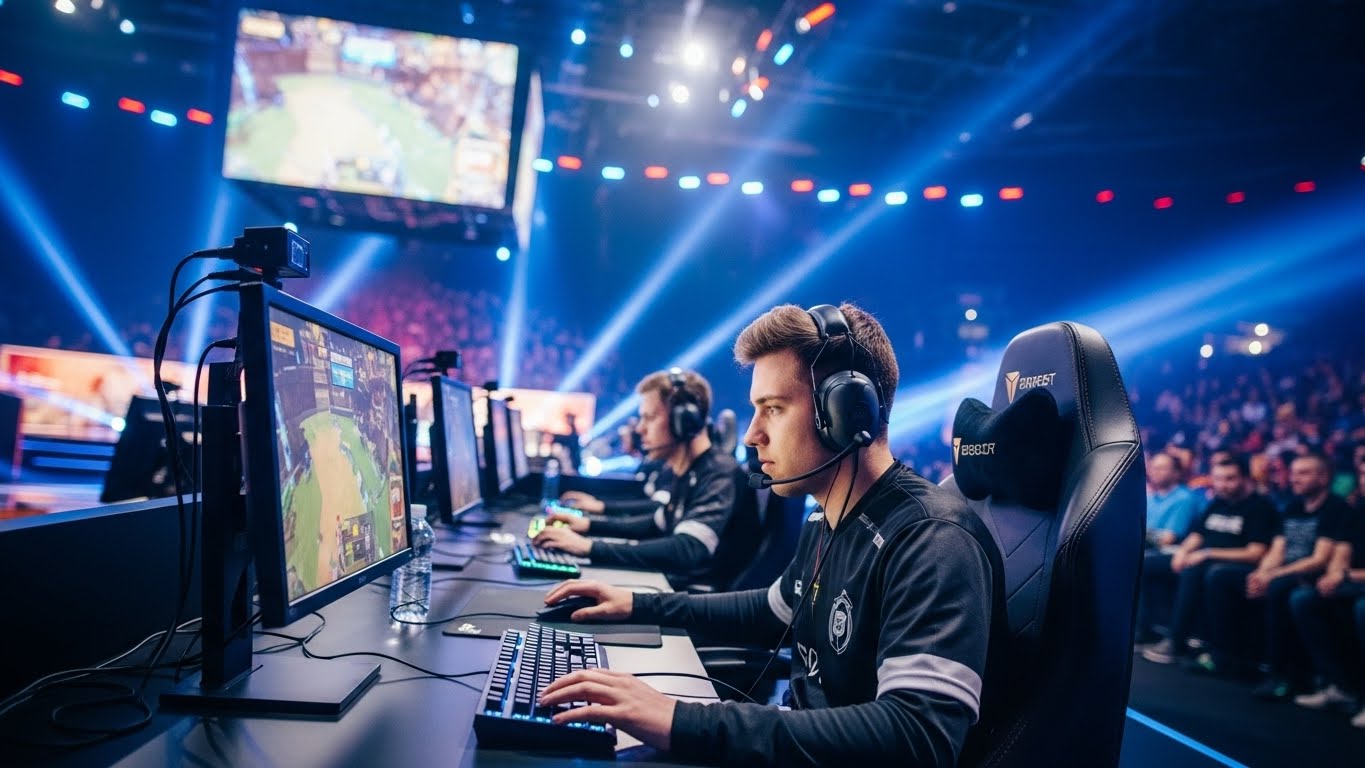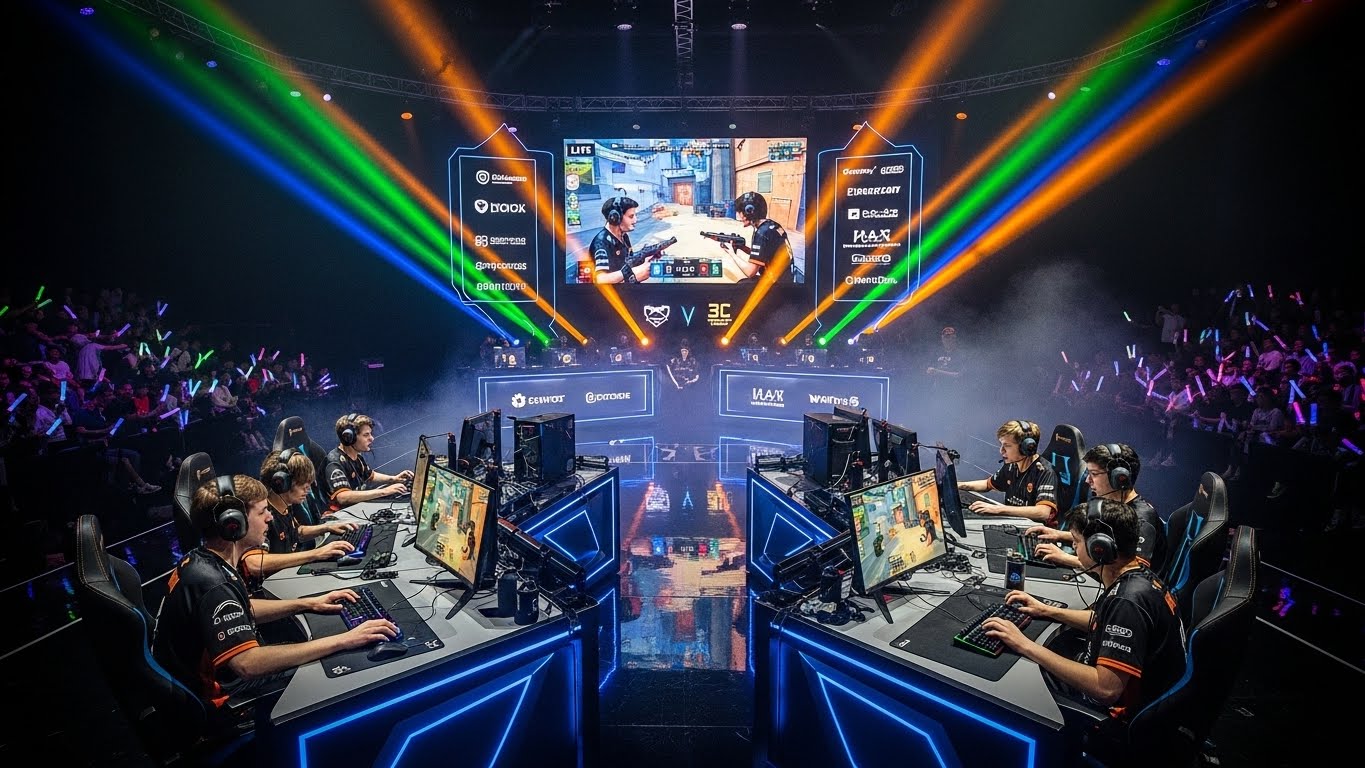
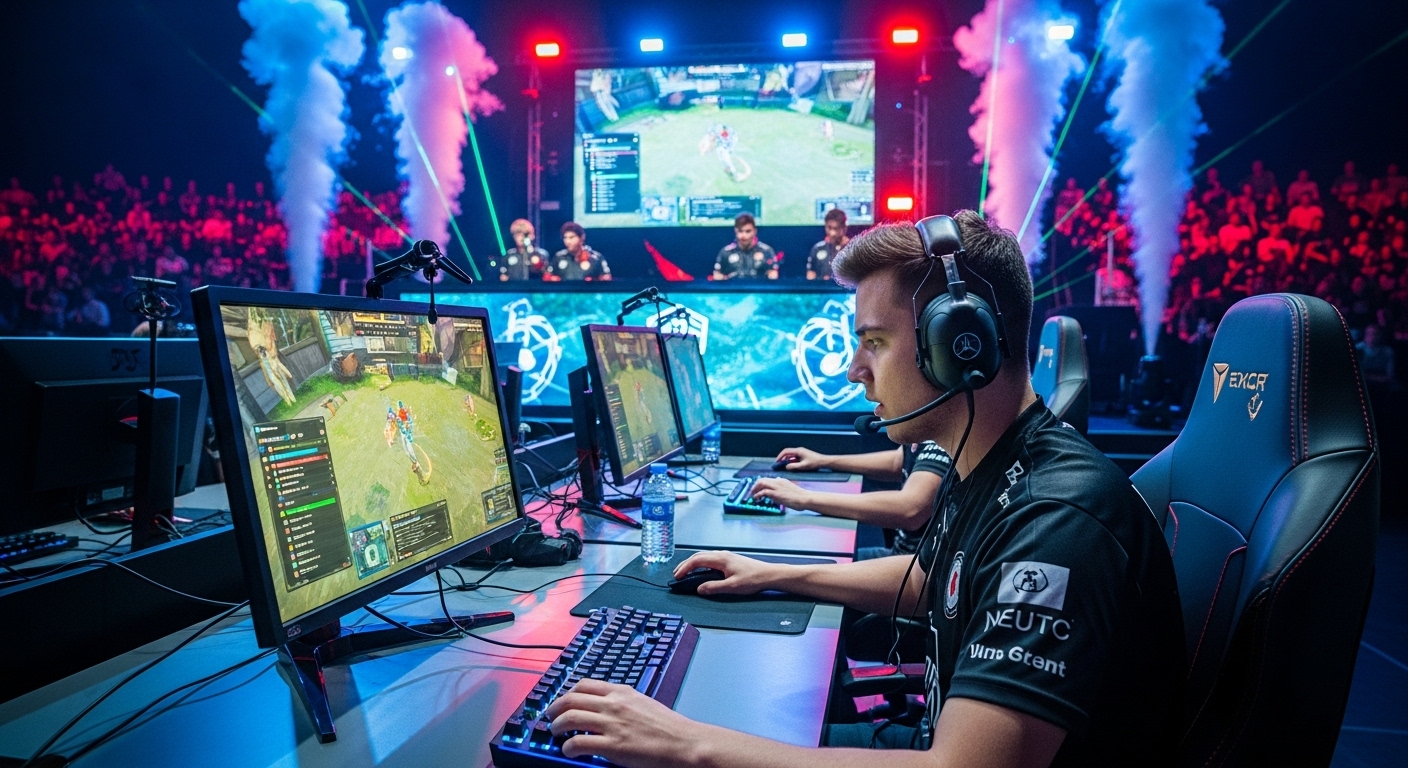
Esports, or electronic sports, has swiftly emerged as one of the largest forms of entertainment in the world. In a short period, competitive video gaming has transformed from a niche activity into a multi-billion-dollar industry, captivating millions of fans and players across the globe. What was once a pastime enjoyed by a small group of gamers has now become a global spectacle, complete with professional leagues, sponsorships, and millions of viewers tuning in to watch the action unfold. Esports is no longer just a hobby; it’s a full-fledged industry, revolutionizing how we perceive gaming, competition, and entertainment.
In this post, we explore the history, growth, and cultural significance of esports, the impact it has had on traditional sports, the business behind it, and what the future may hold for this digital competitive landscape.
The Humble Beginnings of Esports
The roots of competitive gaming can be traced back to the 1970s when arcade games such as Space Invaders and Pong introduced the concept of competition within the gaming world. In those early days, players were primarily concerned with achieving high scores, and the competitive aspect was very informal. It wasn’t until the 1990s, with the rise of personal computers and online multiplayer gaming, that esports began to take shape as we know it today.
The first significant milestone in the history of esports was the creation of the Cyberathlete Professional League (CPL) in 1997. This marked the first major attempt at establishing competitive gaming as a professional sport, with tournaments featuring games like Quake and Unreal Tournament. Players from around the world could now compete in organized events for cash prizes, and the idea of professional gaming began to take root.
As the internet became more widespread, online multiplayer games like StarCraft and Warcraft fueled the rise of esports. By the early 2000s, major competitions were being streamed on the internet, attracting thousands of viewers and establishing the foundation for the massive esports ecosystem we see today.
The Expansion of Esports: From Local Tournaments to Global Leagues
The next phase in the evolution of esports saw the shift from small, local tournaments to large-scale global competitions. Games like Counter-Strike, Dota 2, and League of Legends became household names in the esports community, each offering a competitive environment with their own unique set of rules and gameplay mechanics.
As the popularity of esports grew, professional teams began to form, with players dedicating themselves to mastering their chosen game and competing at the highest level. The introduction of League of Legends in 2009 marked a turning point in the industry. The game’s combination of strategic gameplay, frequent updates, and a massive player base made it a perfect candidate for competitive play. The League of Legends World Championship, which began in 2011, soon became one of the largest and most prestigious events in esports, attracting millions of viewers worldwide.
In the same vein, Dota 2’s annual International tournament quickly became famous for its enormous prize pools, funded through crowdfunding campaigns supported by the game’s community. The International boasts one of the largest prize pools in the history of esports, sometimes exceeding $30 million, making it a standout example of how lucrative esports tournaments can be.
The Role of Streaming Platforms in Esports’ Growth
One of the key catalysts behind the meteoric rise of esports is the advent of live-streaming platforms, particularly Twitch. Launched in 2011, Twitch allowed players to broadcast their games live to an audience, creating a new dynamic for competitive gaming. Fans could watch their favorite players compete in real-time, interact with them via chat, and even participate in live events. Twitch’s impact on esports cannot be overstated, as it allowed gaming competitions to be broadcast to a global audience.
With its interactive features, Twitch became the hub for esports content. The platform offered esports organizations and individual streamers an opportunity to generate revenue through subscriptions, donations, and sponsorships. Today, Twitch is home to millions of esports-related broadcasts, including both professional events and casual streams by gamers of all skill levels. The visibility that platforms like Twitch offer has played a massive role in increasing the mainstream acceptance of esports and attracting new fans.
Esports’ Influence on Traditional Sports
Esports has not only influenced the gaming world, but it has also started to impact traditional sports. As esports has grown in popularity, it has attracted the attention of major sports organizations, media networks, and investors. The overlap between traditional sports and esports is more prominent than ever, with football clubs, basketball teams, and even international organizations investing heavily in esports teams and events.
For instance, major European football clubs like FC Barcelona and Paris Saint-Germain have established their own esports teams. These organizations have recognized the value in tapping into the large, young, and engaged esports audience. Similarly, the NBA has launched its own esports league, NBA 2K League, where professional esports players compete in the popular NBA 2K video game. This integration of esports with traditional sports is an indication of how the two industries are increasingly intertwined.
Additionally, traditional sports media outlets like ESPN have begun broadcasting major esports events. This signals a shift in the way we view both esports and traditional sports. While esports may never fully replace conventional athletic competitions, it is clear that it is now part of the wider sports ecosystem.
The Business of Esports: Sponsorships, Revenue Streams, and Investments
Esports has evolved into a multi-billion-dollar industry. The money flowing into esports comes from various sources, including sponsorships, advertising, ticket sales, merchandise, and media rights. Sponsorships play a crucial role in the financial success of esports organizations and tournaments. Companies from a range of industries, including tech giants like Intel and Nvidia, beverage companies like Red Bull, and apparel brands like Nike, have poured millions of dollars into the esports space.
These sponsorships provide much-needed funding for esports teams and events. In return, sponsors benefit from exposure to the massive, engaged esports audience. According to recent reports, the global esports market is expected to surpass $1 billion in revenue, with the majority of this coming from sponsorship and advertising.
Another significant revenue stream in esports comes from broadcasting rights. Streaming platforms like Twitch and YouTube offer exclusive deals to host major tournaments, generating revenue through ads and viewership. Esports events, particularly The International and League of Legends Worlds, attract millions of viewers, making them a valuable property for advertisers looking to reach the young, tech-savvy demographic that dominates the esports audience.
The Cultural Impact of Esports
Esports has become much more than just a form of entertainment; it has transformed into a cultural movement. Through competitive gaming, new heroes and idols have emerged. Players like Faker (Lee Sang-hyeok), Ninja (Tyler Blevins), and Shroud (Michael Grzesiek) have achieved fame and wealth akin to traditional sports stars. These esports professionals not only inspire fans with their gaming skills but also serve as role models, representing dedication, teamwork, and perseverance.
Esports has also become a platform for community-building. Many esports fans see themselves as part of a global community that shares their passion for gaming. Fans connect with each other through social media platforms, Discord servers, and live streams, forming friendships and relationships that extend far beyond the game itself. This sense of community has been particularly important for younger generations, who have embraced esports as a primary form of entertainment and social interaction.
Moreover, esports has created a safe space for people of all backgrounds. The diversity of players, both in terms of gender and ethnicity, has made gaming more inclusive. As esports continues to grow, there are ongoing efforts to ensure that it remains a welcoming and inclusive environment for all players and fans, regardless of their background.
Esports in Education: Professional Opportunities Beyond the Game
Esports is also finding its way into educational institutions. Many universities have established esports programs, offering scholarships for talented players and creating opportunities for students to pursue careers in gaming, broadcasting, and event management. The creation of esports teams and competitions at the collegiate level mirrors the structure of traditional sports programs, allowing students to balance their education with their passion for gaming.
In addition, some high schools have started offering esports as part of their extracurricular activities. Esports leagues for high school students are now commonplace, giving younger players a platform to compete and develop their skills. As esports continues to be recognized as a legitimate career path, the educational landscape will evolve to meet the needs of aspiring professional gamers and industry professionals.
The Future of Esports: Where Is It Headed?
The future of esports looks incredibly bright. With technological advancements in virtual reality (VR) and augmented reality (AR), the possibilities for immersive esports experiences are limitless. VR gaming could offer entirely new forms of competition, where players physically move in 3D environments to interact with the game. As these technologies become more mainstream, esports is likely to incorporate them into the competitive landscape.
The global reach of esports is also expanding. While esports is already incredibly popular in Asia, North America, and Europe, other regions like South America and Africa are experiencing growth in gaming culture. The rise of mobile gaming in countries with limited access to consoles and PCs is also contributing to the democratization of esports, making it accessible to players around the world.
Finally, the integration of esports with traditional sports will continue to grow, as more sports leagues invest in esports as a complementary aspect of their brand. Whether through sponsorships, new league formats, or virtual competitions, esports will remain a significant part of the global entertainment ecosystem.
Conclusion: A New Era of Digital Entertainment
Esports has come a long way since its early days of local tournaments and amateur competitions. Today, it stands as a multi-billion-dollar industry with a massive global audience, lucrative sponsorships, and professional athletes competing at the highest level. Esports has redefined entertainment, providing a platform for competition, community, and cultural exchange. As technology advances and the industry expands, esports will continue to shape the future of digital entertainment, bringing gaming and sports together in exciting new ways.