Esports, short for electronic sports, has grown from a small underground activity into one of the most dynamic and influential industries in the world. What began as friendly competitions between arcade players in the late twentieth century has transformed into massive international tournaments watched by millions, generating billions of dollars in revenue. The story of esports is not just about gaming; it is about technology, culture, community, and the power of digital transformation. The rise of esports reflects how entertainment, sportsmanship, and technology have merged to create a completely new form of global culture.
The Origins of Competitive Gaming
The roots of esports can be traced back to the early days of video gaming in the 1970s and 1980s. During that era, games were limited by hardware capabilities, and the idea of multiplayer gaming was still in its infancy. Yet, even then, players were driven by the desire to compete. One of the first known video game competitions was held in 1972 at Stanford University, where students competed in the game Spacewar. The prize was nothing more than a subscription to a magazine, but it marked the beginning of organized video game competition.
The 1980s saw the rise of arcade culture, where players would gather in gaming arcades to set high scores on titles such as Pac-Man, Donkey Kong, and Space Invaders. Achieving a world record or earning a top score was considered a great honor. Magazines would publish leaderboards, and players began to gain recognition as champions of their favorite games. Although primitive by today’s standards, these events laid the foundation for what would later become professional esports.
The Rise of Online Gaming and Early Esports Communities
The 1990s brought revolutionary changes in gaming technology. The introduction of personal computers and the development of the internet opened the door for online multiplayer games. Titles like Doom, Quake, and StarCraft gave players the opportunity to compete against others around the world. These games encouraged skill-based competition and introduced new genres that were perfect for spectators.
In South Korea, the launch of StarCraft in 1998 was a turning point. The game’s strategic depth and competitive balance made it immensely popular. Soon, television networks in South Korea began broadcasting StarCraft matches, and professional players gained celebrity status. The Korean model of structured leagues, team sponsorships, and televised matches would go on to inspire the global esports ecosystem.
Meanwhile, in North America and Europe, tournaments such as the Cyberathlete Professional League and Major League Gaming emerged. LAN parties became common, where players gathered in person to connect their computers and compete. These early communities were passionate and tight-knit, bound together by their love of gaming and competition. Though small in scale, they were building the infrastructure and culture that would later support the global esports industry.
The 2000s: Esports Becomes a Professional Enterprise
The early 2000s marked the formal birth of esports as an industry. Broadband internet became more widely available, enabling smoother online play and larger global participation. Game developers began designing titles with competitive balance and spectator appeal in mind. Counter-Strike, Warcraft III, and Dota became synonymous with professional gaming. Esports organizations began to form, offering players salaries, sponsorships, and structured training environments.
During this decade, live streaming platforms did not yet exist in the form they do today. Tournaments were often recorded and uploaded for later viewing, but fans still gathered in person to watch their favorite players compete. Events like the World Cyber Games and Electronic Sports World Cup brought international prestige and a sense of legitimacy to competitive gaming. Prizes began to grow from small sums to tens of thousands of dollars, signaling a shift from hobbyist gatherings to a professional pursuit.
The Streaming Revolution and the Explosion of Popularity
The 2010s brought about the single most transformative event in the history of esports: the rise of live streaming. With platforms such as Twitch and YouTube Gaming, fans could now watch professional players and tournaments live from anywhere in the world. This accessibility created a direct connection between players and audiences, fostering a community unlike anything traditional sports had ever seen.
Games like League of Legends, Dota 2, and Counter-Strike: Global Offensive dominated the esports scene. Riot Games launched the League of Legends Championship Series, a structured league system that mirrored the organization of traditional sports. Valve’s Dota 2 International tournament began awarding prize pools in the tens of millions, largely funded by the community through in-game purchases. Suddenly, esports wasn’t just a pastime—it was a global entertainment phenomenon.
The accessibility of streaming also allowed new talent to emerge. Aspiring players could broadcast their skills and build audiences, while fans could follow their favorite streamers in real-time. This ecosystem blurred the lines between professional competition and casual entertainment, giving rise to gaming celebrities with massive influence.
The Globalization of Esports
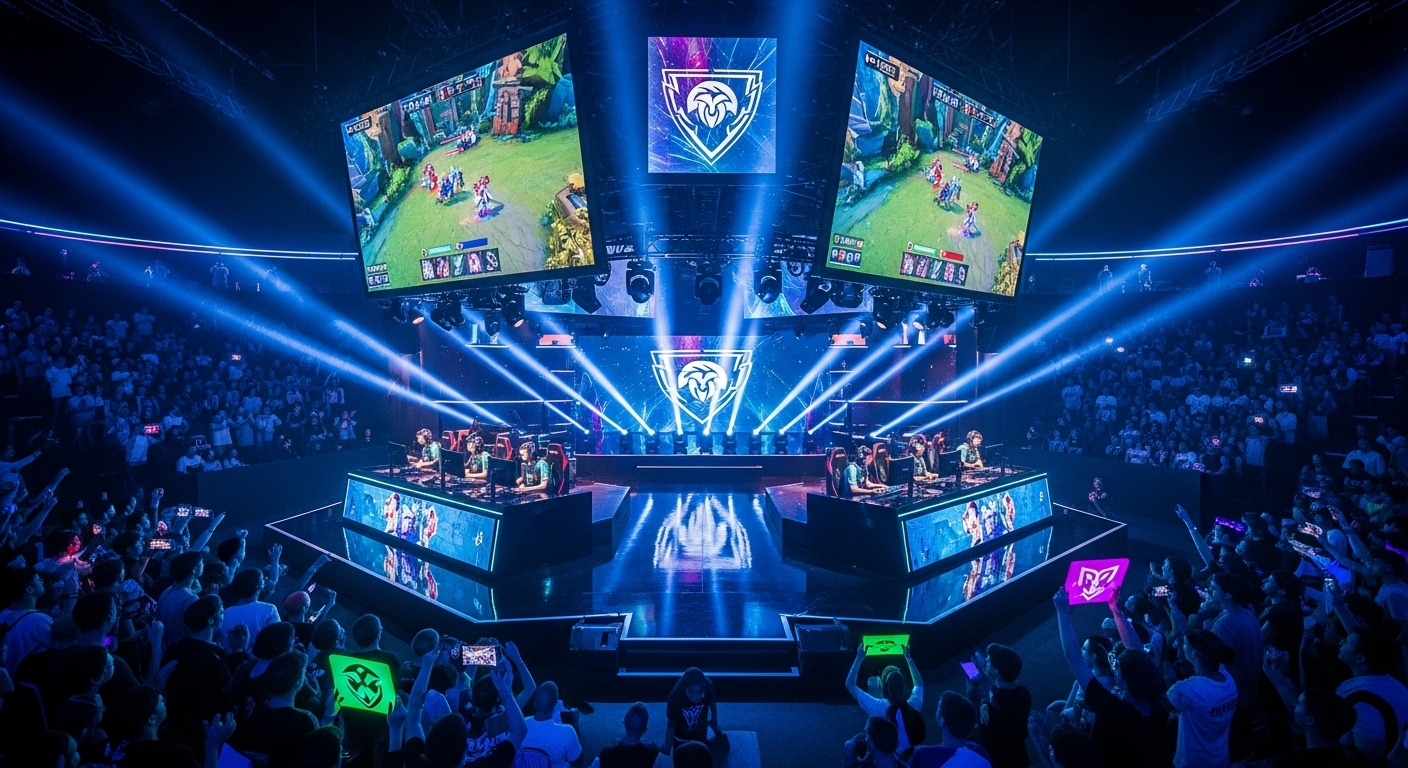
Esports has grown into a global industry that transcends borders and languages. Tournaments are now hosted in arenas that sell out within minutes, from Los Angeles to Shanghai. Audiences fill stadiums to watch their favorite teams play, while millions more tune in online. The 2018 League of Legends World Championship drew more viewers than some major sporting events, proving that esports has achieved mainstream status.
Different regions have developed their own gaming cultures and specialties. South Korea continues to be a powerhouse in strategy and MOBA games, China dominates in mobile esports, Europe excels in tactical shooters, and North America thrives in franchised leagues. This global diversity enriches the industry and encourages cross-cultural collaboration and competition.
Moreover, governments and institutions have begun to recognize esports as a legitimate sport. Universities around the world now offer scholarships for esports players, and national federations have been formed to organize and regulate competitions. Some countries even include esports as a category in their official sporting events, cementing its place in the broader sports landscape.
The Business of Esports
Esports is no longer just about competition; it is a major business sector. Revenues come from sponsorships, advertising, merchandise, ticket sales, media rights, and in-game purchases. Major brands that were once reluctant to associate with gaming now see it as a valuable marketing opportunity. Companies in technology, apparel, energy drinks, and even automotive industries have partnered with esports organizations.
The business structure of esports often mirrors that of traditional sports. Teams operate like franchises, with management, coaching staff, analysts, and marketing departments. Players sign contracts, have agents, and negotiate salaries. Some top players earn millions of dollars through prize winnings, streaming revenue, and endorsements. The involvement of investors and corporations has brought professionalism and stability to the industry, but it has also introduced challenges, such as balancing commercial interests with community values.
The Culture and Community of Esports
One of the most fascinating aspects of esports is its vibrant community culture. Unlike traditional sports, where fans are often geographically bound, esports communities are digital and global. Fans interact through chat rooms, social media, and forums, forming a collective culture that thrives on shared passion. This sense of community gives esports a unique identity and makes it highly adaptable to new technologies.
The culture of esports is also deeply tied to internet humor, creativity, and inclusivity. Memes, fan art, and highlight clips circulate rapidly, creating a living, breathing culture that evolves daily. Events such as conventions, cosplay gatherings, and fan meetups blend gaming with art and social interaction, turning esports into a holistic cultural experience.
However, esports communities also face challenges. Issues such as toxicity, harassment, and lack of diversity have often been points of concern. As the industry matures, organizations and fans alike are working toward creating safer and more inclusive environments. Education, moderation, and strong community management are helping to foster a more respectful and welcoming culture.
The Role of Technology in Shaping Esports
Technology is the lifeblood of esports. Every innovation in hardware, software, and connectivity has contributed to its evolution. High-performance gaming PCs, low-latency internet connections, and advanced graphics engines have made games smoother and more competitive. Broadcasting technology, including real-time overlays and camera systems, has made viewing esports as exciting and polished as watching traditional sports.
The rise of virtual reality and augmented reality also promises new frontiers for esports. Imagine players competing in immersive environments where the line between the virtual and real worlds blurs. Similarly, artificial intelligence is being used to analyze player performance, design training tools, and enhance spectator experiences. The integration of technology ensures that esports will continue to evolve and expand beyond current limitations.
The Professional Life of an Esports Athlete
Behind the excitement of esports lies a demanding lifestyle for its professional players. Esports athletes train for hours each day, honing their reflexes, coordination, and strategic thinking. Just like traditional athletes, they must maintain discipline, teamwork, and mental resilience. The pressure of competition, combined with public attention and expectations, can be immense.
Teams employ coaches, psychologists, and nutritionists to support their players. Training regimens focus not only on mechanical skill but also on communication and adaptability. Mental health awareness has become a major focus in the industry, as burnout and stress are common issues among young players. As esports continues to professionalize, player welfare and long-term career development are receiving more attention.
The Spectator Experience and the Role of Storytelling
Esports is as much about storytelling as it is about skill. Fans become emotionally invested in teams and players, following their journeys through victories and defeats. Commentators, known as casters, play a vital role in enhancing the viewing experience. Their ability to explain strategies, build excitement, and convey emotion turns a digital match into a compelling narrative.
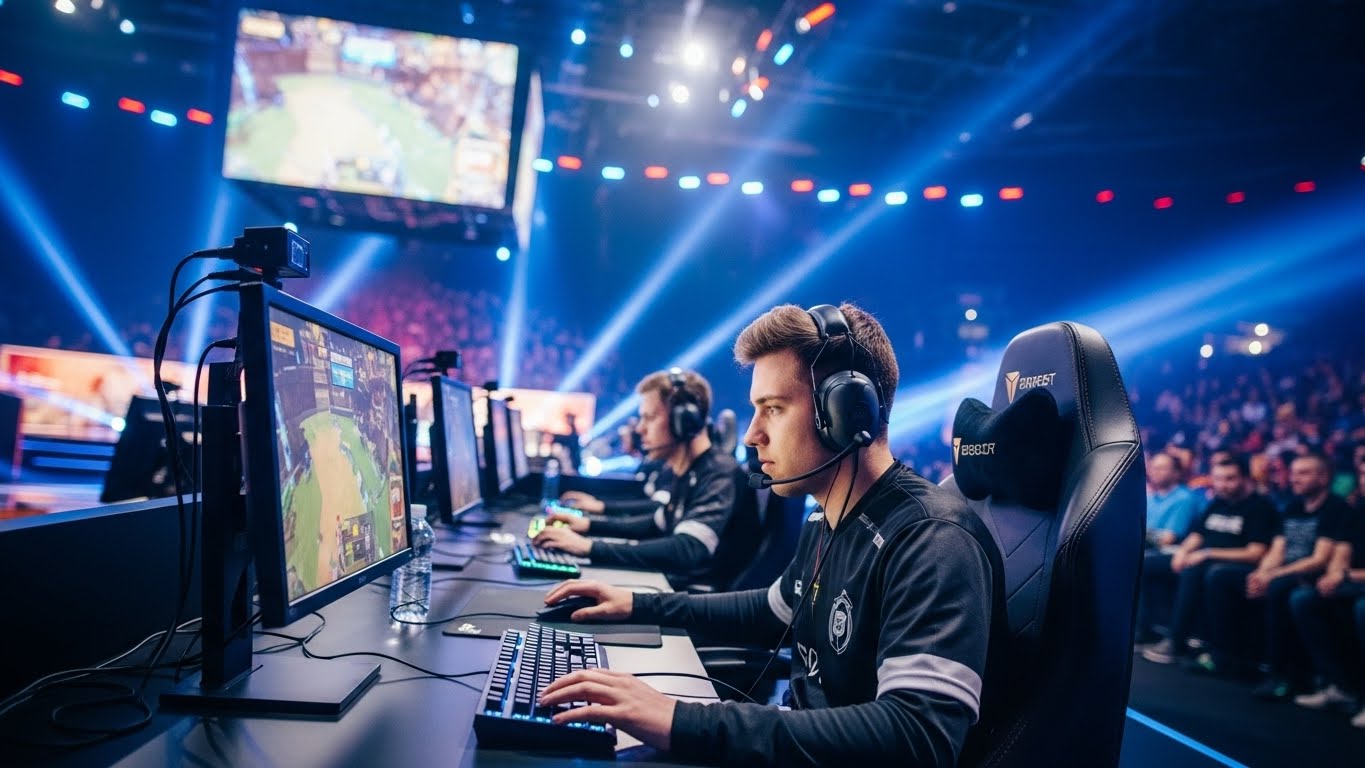
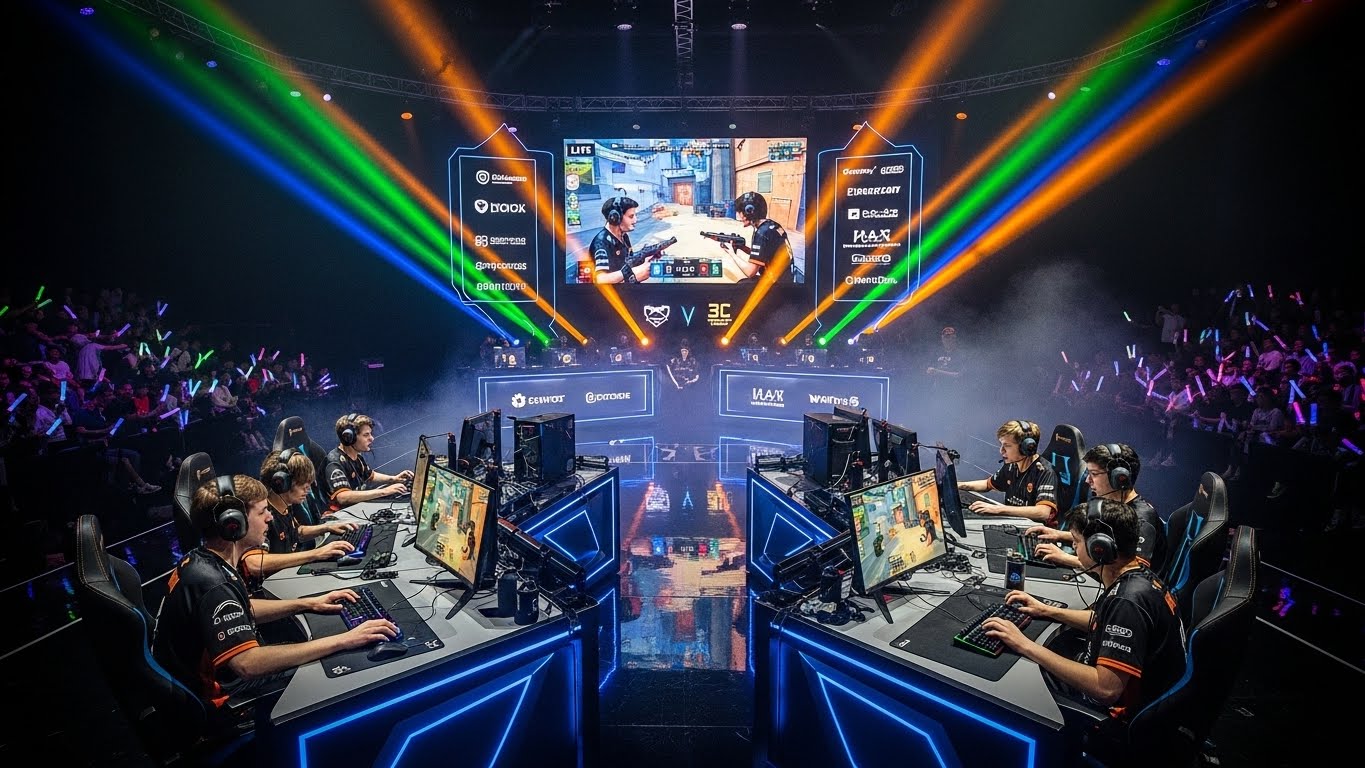
The production quality of modern esports events rivals that of major sports broadcasts. With elaborate stage designs, dynamic camera angles, and synchronized music, tournaments have become grand spectacles. Fans cheer, wave banners, and celebrate their favorite teams as if they were at a traditional sporting event. This theatrical presentation transforms gaming into a shared emotional experience.
Esports and Education
Educational institutions have recognized the potential of esports not only as a sport but also as a tool for learning. Schools and universities are forming esports programs that teach teamwork, communication, problem-solving, and technology literacy. Students who participate in esports clubs often gain valuable skills that extend beyond gaming, such as leadership and strategic thinking.
Moreover, esports has inspired new academic fields. Courses in game design, esports management, and digital media production are increasingly common. These programs prepare students for a wide range of careers within the gaming industry, from development to marketing and broadcasting. The educational impact of esports demonstrates how gaming can be both entertaining and intellectually enriching.
Challenges and Controversies
Despite its success, esports faces numerous challenges. Issues such as player exploitation, uneven regulations, and match-fixing have occasionally tarnished its image. The industry’s rapid growth has sometimes outpaced the establishment of proper governance structures. Ensuring fair play, financial transparency, and ethical standards remains an ongoing effort.
Another major concern is sustainability. With constant changes in games and formats, maintaining long-term stability can be difficult. Unlike traditional sports, where rules and equipment rarely change, esports titles can evolve rapidly or even become obsolete. This volatility poses challenges for teams, sponsors, and fans alike.
Additionally, concerns about health and balance persist. Excessive gaming hours can lead to physical strain and mental fatigue. The industry is gradually learning from traditional sports in promoting wellness and responsible training practices.
The Future of Esports
The future of esports is incredibly promising. Advances in technology, growing investment, and increasing cultural acceptance will continue to drive expansion. The integration of virtual reality, artificial intelligence, and cloud gaming will reshape the competitive landscape. New genres and platforms will emerge, and esports will likely become even more accessible to players and viewers around the world.
There is also growing interest in blending esports with traditional sports. Major sporting organizations are forming their own esports divisions, recognizing the value of digital engagement. As younger generations grow up with gaming as a central part of their lives, esports will continue to bridge generational and cultural gaps.
Furthermore, the ongoing push for diversity and inclusivity will shape the future of esports in profound ways. Efforts to include more women, nonbinary players, and underrepresented communities will make the scene richer and more representative. The spirit of competition, creativity, and collaboration that defines esports will ensure it continues to evolve positively.
Conclusion: The Legacy of Esports
Esports is no longer just about playing video games; it is a global movement that combines competition, culture, and technology. From the early days of arcades to the massive global tournaments of today, esports has redefined what it means to be an athlete, an entertainer, and a fan. It represents the power of digital connectivity and human creativity in shaping the future of entertainment.
As we look ahead, esports will continue to influence not only how we play games but also how we interact, learn, and connect. It has become a symbol of a new era—one where passion, technology, and global community converge. The story of esports is still being written, and its next chapters promise to be even more exciting, inclusive, and transformative.