Introduction
In the last two decades, the gaming world has evolved from being a casual pastime to a full-fledged professional industry. Esports, short for electronic sports, has emerged as one of the most dynamic and rapidly growing fields in entertainment and technology. It combines the thrill of competition, the power of technology, and the passion of millions of fans worldwide. What was once a niche activity limited to small gaming communities has become a billion-dollar global phenomenon. Esports has redefined what it means to compete, entertain, and connect in the digital age.
The Rise of Esports: From Hobby to Global Industry
Esports did not happen overnight. The foundation was laid in the 1990s when multiplayer gaming began to take off through early computer networks and consoles. Titles like Quake, StarCraft, and Counter-Strike became cult classics among early adopters. However, it was the 2000s that truly gave esports its identity. The rise of broadband internet allowed players to compete across the globe, and tournaments began to attract sponsorships, media attention, and financial rewards.
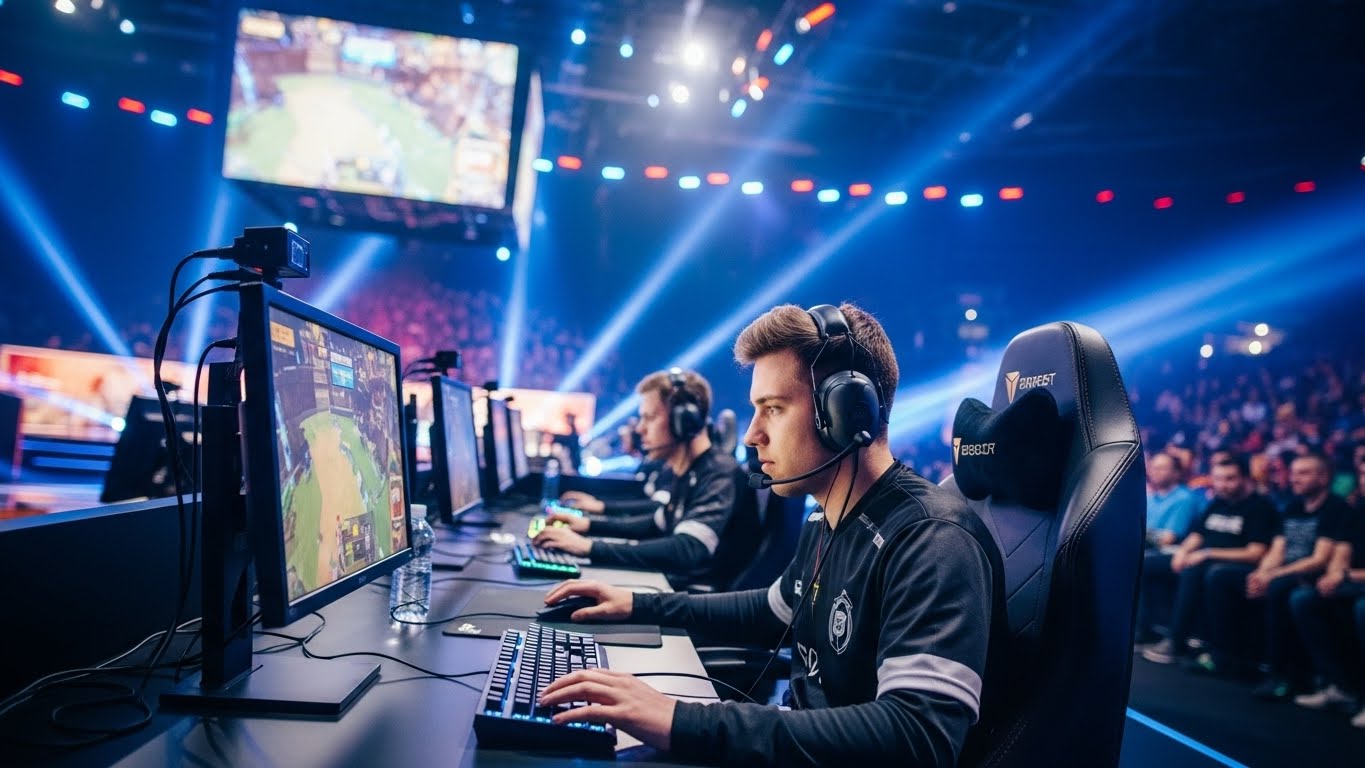
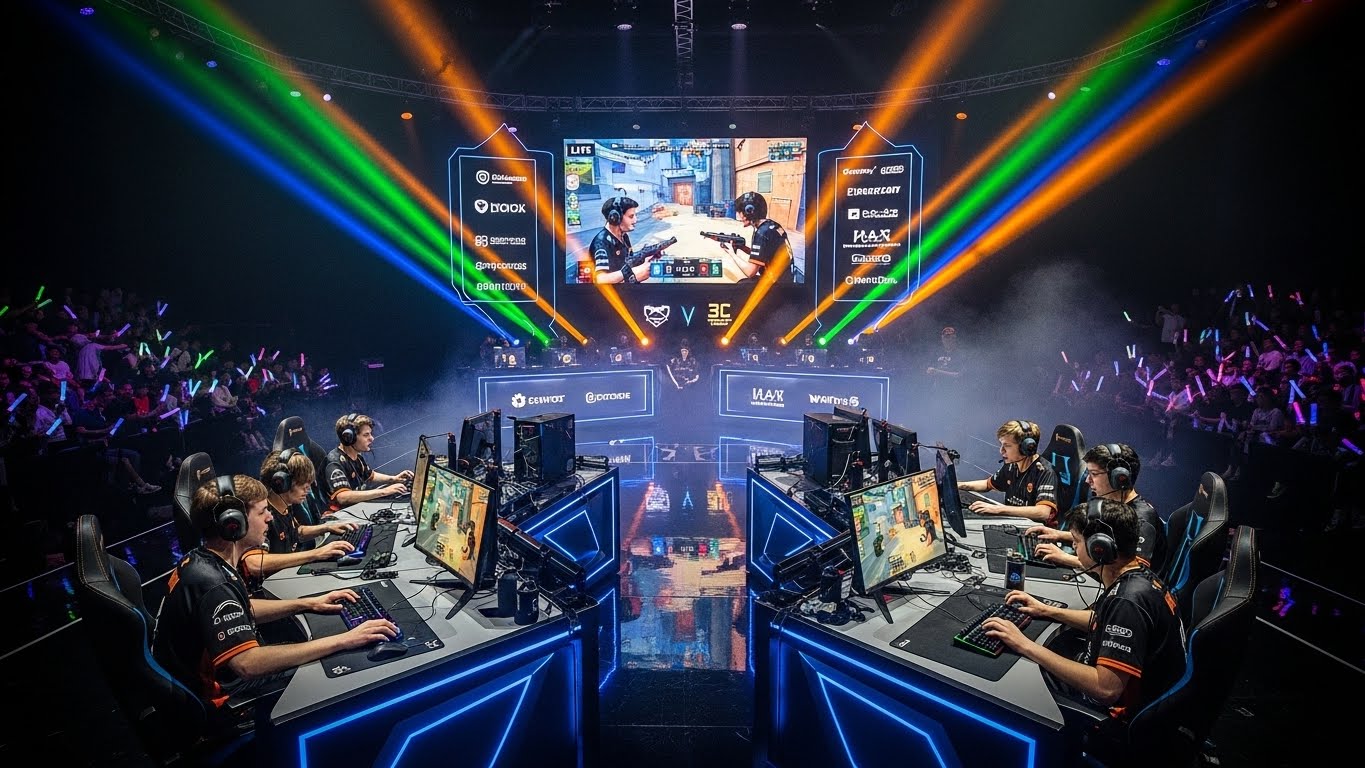
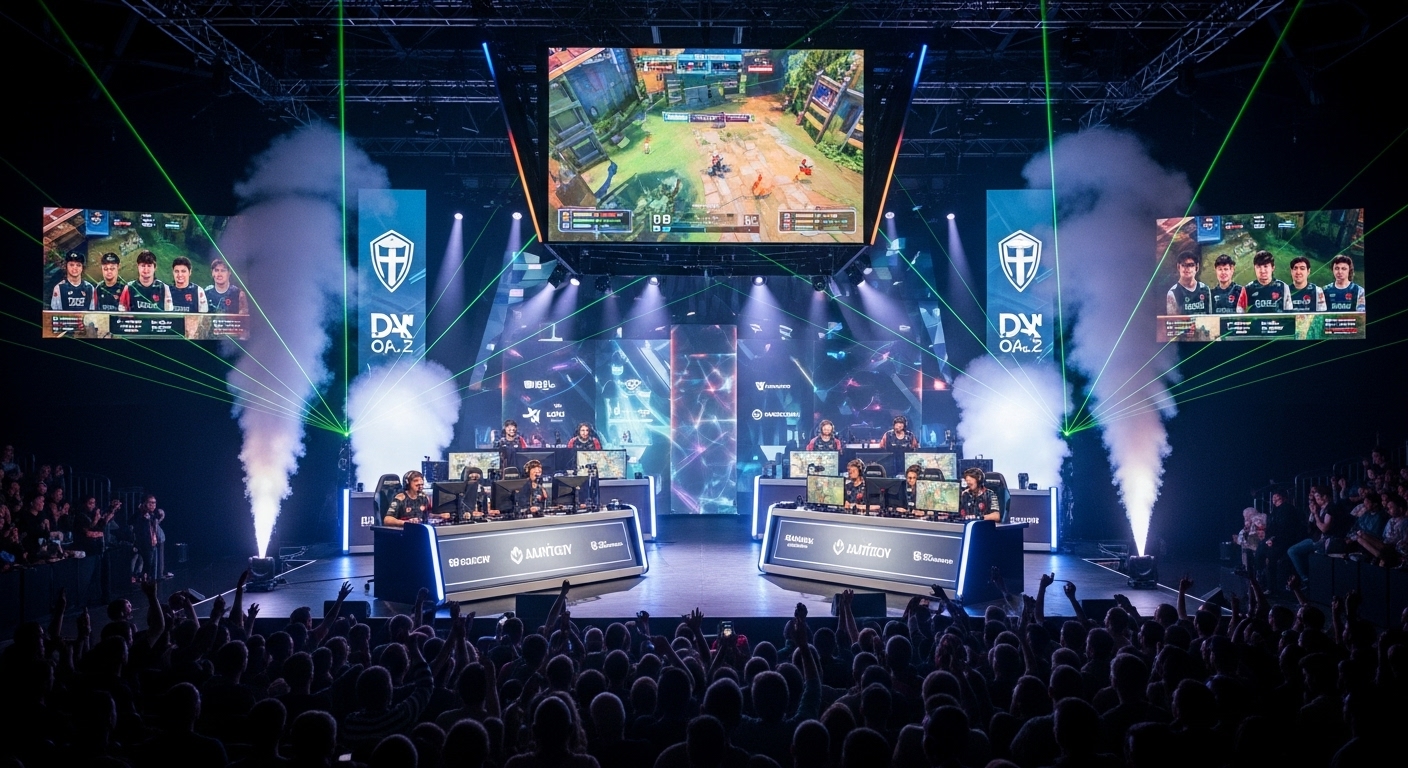
Today, esports tournaments fill stadiums and arenas with enthusiastic fans who cheer for their favorite players and teams just like in traditional sports. Professional gamers are celebrated figures, earning fame and lucrative contracts through skill, strategy, and dedication. From small LAN parties to international championships with millions in prize money, the journey of esports reflects the evolution of technology and human connection in the modern world.
Understanding Esports: The New Digital Battlefield
At its core, esports is organized competitive gaming. Players, either solo or as part of a team, compete in various video game titles. These range from real-time strategy games and first-person shooters to multiplayer online battle arenas and sports simulations. Each game requires different skills, including fast reflexes, precise hand-eye coordination, quick decision-making, and a deep understanding of tactics and teamwork.
Games such as League of Legends, Dota 2, Counter-Strike: Global Offensive, Overwatch, and Fortnite dominate the esports landscape. These titles attract millions of viewers worldwide and serve as the backbone of the competitive gaming industry. The excitement of esports lies not only in the gameplay but also in the human stories behind the players—the rivalries, the pressure, the triumphs, and the heartbreaks.
Esports and Traditional Sports: The Blurring Line
A common debate in recent years revolves around whether esports can be considered a “real sport.” While traditional sports involve physical exertion, esports challenges the mind and reflexes in ways that demand discipline and training. Just like athletes, esports players dedicate hours to perfecting their techniques, understanding opponents, and developing mental resilience.
Both industries share striking similarities. There are professional leagues, sponsorships, coaches, analysts, and even fitness regimes designed to keep players at their best. Major sports organizations and teams have already embraced esports by creating their own divisions or investing in professional gaming franchises. The gap between physical and digital competition continues to narrow as esports gains recognition and respect on the global stage.
The Global Reach of Esports
Esports has truly become a global movement. Asia, particularly South Korea, China, and Japan, has long been the epicenter of competitive gaming. South Korea, often called the birthplace of esports, built a culture where professional gamers are national celebrities. The rest of the world soon followed, with North America, Europe, and Southeast Asia developing vibrant esports ecosystems.
Today, international tournaments bring together players from every continent. The global audience for esports rivals that of traditional sporting events, and millions of fans watch matches online or in-person. Streaming platforms have become the digital stadiums of the modern age, connecting fans directly to their favorite teams and personalities.
The Economics of Esports: A Billion-Dollar Revolution
Esports is not just entertainment; it is big business. The industry has expanded into multiple revenue streams including sponsorships, advertising, media rights, merchandise, and ticket sales. Major corporations and tech giants are investing heavily in esports, recognizing its potential to reach younger, digitally engaged audiences.
Professional players now enjoy salaries comparable to athletes in traditional sports. Tournaments such as The International and League of Legends World Championship offer multi-million-dollar prize pools. In addition, esports organizations operate much like sports franchises, complete with branding, merchandising, and training facilities. The rapid monetization of esports has created new opportunities for investors, content creators, and entrepreneurs alike.
The Role of Technology in Shaping Esports
Technology is the heartbeat of esports. Advances in hardware, software, and connectivity have transformed gaming into a seamless, global experience. High-performance computers, advanced graphics, and low-latency networks enable smooth gameplay and fair competition across continents.
Moreover, emerging technologies like virtual reality and artificial intelligence are beginning to influence the esports landscape. Virtual reality promises new immersive gaming experiences, while AI helps analyze strategies, player performance, and even assists in coaching. As technology continues to evolve, esports will continue pushing the boundaries of what is possible in digital entertainment.
Esports and Education: A New Learning Frontier
An interesting development in the esports world is its growing role in education. Universities and colleges around the globe now offer esports scholarships, degrees, and professional programs. Students can study everything from game design and digital marketing to event management and broadcasting.
This integration of esports into academia reflects its legitimacy as a professional career path. It also teaches important life skills—teamwork, leadership, critical thinking, and communication. For younger generations, esports provides an avenue to connect passion with purpose, transforming gaming from a hobby into a viable future.
The Social Impact of Esports
Beyond the competition and business aspects, esports has a powerful social dimension. It brings together people from different backgrounds, cultures, and languages through a shared love of gaming. Esports communities foster inclusivity, creativity, and collaboration.
However, the industry also faces challenges. Issues such as player burnout, online toxicity, and accessibility remain ongoing concerns. The push for diversity and mental health awareness within esports is growing, as organizations and fans strive to make the digital arena a positive and supportive environment.
The Role of Fans and Communities
Fans are the lifeblood of esports. They contribute to its growth through viewership, online discussions, fan art, and even amateur tournaments. Esports fans are among the most passionate in the entertainment world, often forming deep connections with players and teams.
Communities built around games thrive both online and offline. Conventions, meetups, and fan festivals bring enthusiasts together to celebrate their shared interests. The relationship between players and fans is more direct and personal than in traditional sports, largely due to the interactive nature of streaming and social media. This closeness fuels loyalty and engagement, ensuring esports remains vibrant and evolving.
The Future of Esports: Innovation and Expansion
Looking ahead, esports is poised for even greater expansion. As technology advances, so too will the ways people experience competitive gaming. Cloud gaming, virtual reality, and the integration of artificial intelligence will reshape how games are played and watched.
Esports is also likely to play a bigger role in mainstream entertainment. Collaborations with music, fashion, and film industries are becoming increasingly common. Cities around the world are investing in dedicated esports arenas, signaling the long-term potential of this digital sport.
Furthermore, the push for inclusion in global sporting events could make esports a part of official competitions in the future. This recognition would mark a historic step in merging digital and physical sports on the same platform.
Challenges and Opportunities Ahead
While the future is bright, the esports industry must navigate several challenges. Maintaining fair competition through anti-cheating measures, managing player welfare, and ensuring sustainable growth are key concerns. Balancing commercialization with authenticity will also be vital to preserving the spirit of esports.
On the other hand, opportunities abound. New markets, emerging technologies, and growing mainstream interest promise continued innovation. The esports ecosystem is expanding beyond just gaming, influencing culture, business, and education in meaningful ways.
Conclusion
Esports is not just a trend—it is a revolution in how we define competition, entertainment, and community in the modern world. From humble beginnings in small gaming rooms to massive arenas filled with cheering fans, esports has rewritten the rules of engagement. It represents the intersection of technology, creativity, and human passion.
As we look to the future, esports stands as a symbol of the digital generation’s potential—a celebration of skill, strategy, and connection without borders. In this new era, the digital arena is not merely a place to play but a global stage where dreams are achieved, champions are made, and history is written in pixels and passion.