
Introduction
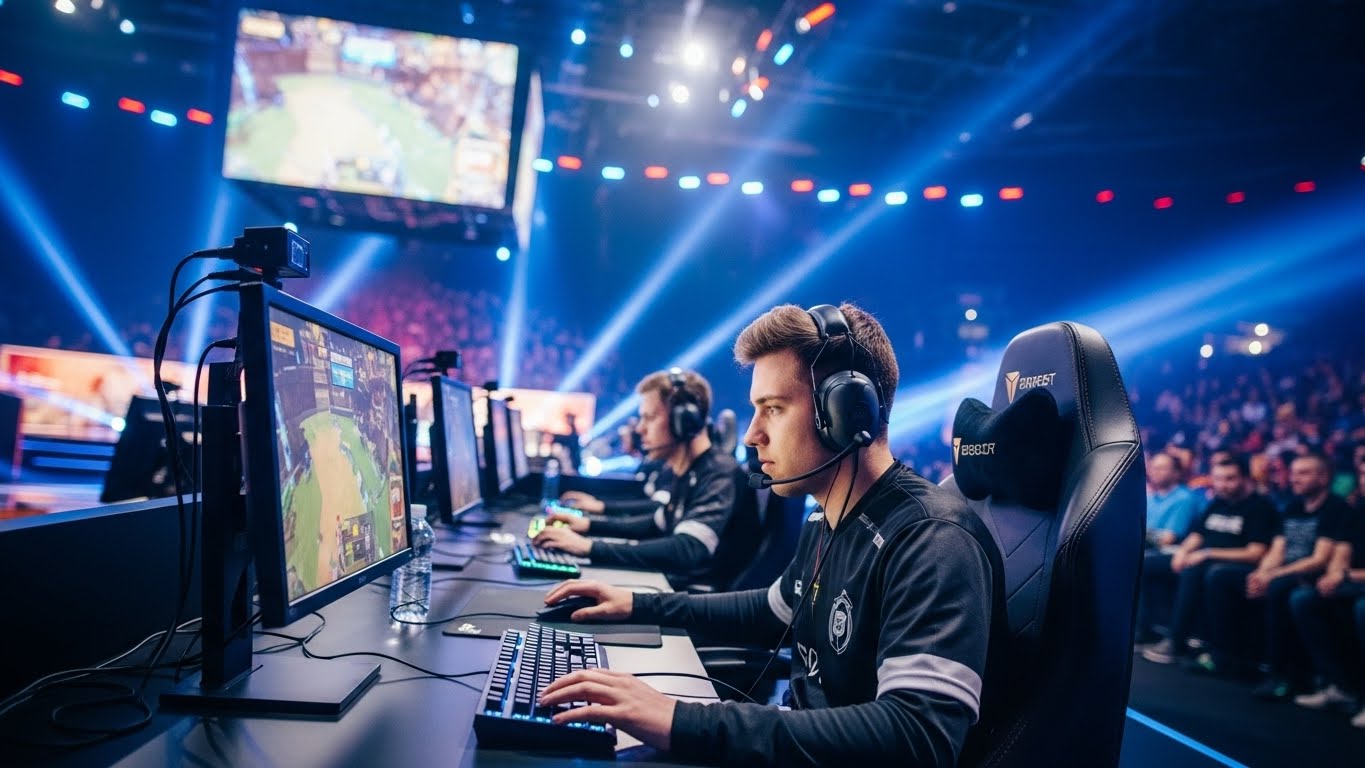
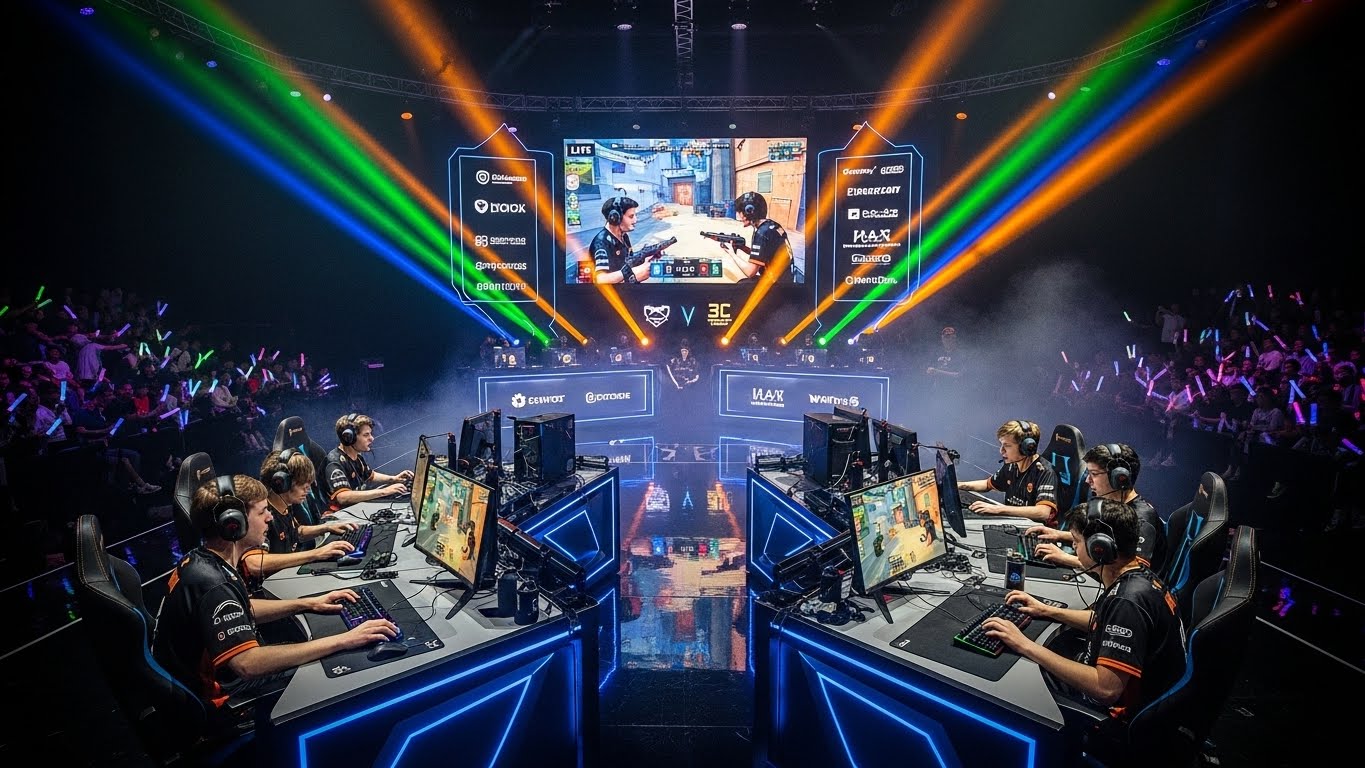
Esports, once a niche pastime enjoyed by a small community of gamers, has transformed into a global phenomenon. With millions of viewers, professional leagues, and sponsorship deals reaching into the billions of dollars, esports has firmly established itself as a legitimate form of entertainment. Unlike traditional sports, which rely on physical prowess, esports showcases mental agility, strategic thinking, and teamwork in virtual environments. What began in the early days of competitive video games has grown into a multi-billion-dollar industry with its own set of stars, championships, and passionate fanbases. This blog explores the rise of esports, its cultural significance, and what the future holds for this digital revolution.
The Origins of Esports: From Arcade Competitions to Global Tournaments
The roots of esports can be traced back to the 1970s and 1980s when early video games like “Space Invaders” and “Pong” sparked friendly competitions among players. However, it wasn’t until the late 1990s that organized competitive gaming began to take shape. The launch of games like “StarCraft” and “Quake” led to the first real competitive tournaments, often hosted in small arenas or even online forums. Players began forming teams and creating strategies, realizing that, just like traditional sports, winning these games required skill, practice, and dedication.
The early 2000s saw the first major esports tournaments and the formation of professional teams. A turning point came in 2000 when the World Cyber Games (WCG) hosted its first global competition, bringing together gamers from around the world. As internet infrastructure improved and broadband became more widely available, the ability to play and compete online transformed esports into a truly global activity. Games like “League of Legends,” “Dota 2,” and “Counter-Strike” became the centerpiece of esports competitions, and their esports scenes grew rapidly.
The Expansion of Esports: A Global Industry
The esports industry has grown at an astonishing rate over the last two decades. According to recent reports, the global esports market is expected to surpass $1.5 billion in revenue, with sponsorships, media rights, advertising, and merchandise driving the bulk of the income. The increased mainstream recognition of esports has opened the door for massive investments from traditional sports organizations, tech giants, and even entertainment companies.
One of the key drivers of this growth has been the rise of streaming platforms, particularly Twitch, YouTube Gaming, and Facebook Gaming. These platforms allowed players and teams to broadcast their matches to a global audience, creating a virtual arena where fans could watch their favorite gamers in real-time. This shift toward digital content consumption has not only expanded the audience for esports but has also made esports stars as recognizable as traditional athletes.
The professionalization of esports leagues, such as the Overwatch League, League of Legends Championship Series (LCS), and the Call of Duty League, has further cemented esports as a mainstream entertainment option. These leagues attract millions of viewers each season, with top-tier players earning salaries comparable to those of athletes in traditional sports.
The Popularity of Esports Games: A Diverse and Expanding Genre
Esports encompasses a wide range of game genres, each with its own community, fanbase, and competitive structure. Some of the most popular esports titles include:
- MOBA Games (Multiplayer Online Battle Arenas): Games like “League of Legends” and “Dota 2” fall into this category, where two teams of five players each compete to destroy the opposing team’s base. These games are famous for their depth of strategy, teamwork, and constant updates that keep the gameplay fresh and engaging.
- First-Person Shooters (FPS): Titles like “Counter-Strike: Global Offensive,” “Overwatch,” and “Call of Duty” have large competitive scenes where players battle in fast-paced, tactical shootouts. FPS esports often focus on precision, reflexes, and teamwork.
- Battle Royale Games: Games like “Fortnite” and “PUBG” (PlayerUnknown’s Battlegrounds) have revolutionized esports by introducing a large-scale, free-for-all competition format. Players are dropped into massive maps and must fight to be the last one standing. These games have attracted millions of casual players and have made their way into the esports scene with regular tournaments.
- Real-Time Strategy (RTS) Games: Games like “StarCraft II” and “Warcraft” remain pillars of competitive gaming. RTS games focus on resource management, strategic planning, and quick decision-making. While the genre is more niche compared to others, it has a dedicated following.
- Fighting Games: Esports also thrives in fighting games, with games like “Street Fighter,” “Super Smash Bros.,” and “Tekken” drawing large crowds. These games focus on one-on-one combat, requiring skill, timing, and knowledge of character moves.
With so many diverse genres, esports provides something for nearly every type of gamer. Whether it’s strategy, action, or reflex-based gameplay, esports has expanded far beyond its original focus on a single genre, creating a platform for a variety of gaming styles.
Esports and the Cultural Shift: The Rise of the Fanbase
One of the most significant factors in the growth of esports is the development of a passionate, global fanbase. Much like traditional sports, esports has fostered a strong community of fans who actively engage with the content. Fans follow specific players or teams, attend tournaments, and engage with content through social media, fan art, and live-streamed events.
The fan experience in esports is also unique. Fans can interact with their favorite players in real-time via live streams, donate to their favorite streamers, and participate in online events. Many top players and streamers have amassed millions of followers on platforms like Twitch, turning their gaming careers into full-time jobs. Fans also engage with the community by attending large-scale esports events, such as the League of Legends World Championship or The International (Dota 2’s annual tournament), where they watch live matches and meet fellow fans.
Esports has also made its way into mainstream media. Television networks and digital platforms now broadcast major tournaments, while brands and advertisers recognize the potential of reaching a younger, tech-savvy audience. Major corporations like Coca-Cola, Red Bull, and Intel have become key sponsors of esports events, further cementing its place in popular culture.
The Business of Esports: Sponsorship, Investments, and Revenue Streams
As esports has evolved into a global industry, the business opportunities have expanded significantly. Sponsorship deals are one of the largest sources of revenue for esports organizations and players. Major brands are eager to align themselves with esports’ young, engaged audience, seeing it as an effective way to market their products. Esports sponsorships are diverse, including team and tournament sponsorships, product placements, and advertising on live streams.
Media rights have also become a significant revenue stream. Platforms like Twitch and YouTube Gaming pay esports organizations for exclusive broadcasting rights. This has created a new ecosystem where media and esports are intertwined, with tournaments and matches being broadcast to millions of viewers around the world.
Additionally, esports teams and players now have opportunities for endorsements, merchandise sales, and crowdfunding. Top-tier players, much like traditional athletes, sign exclusive endorsement deals with companies in the tech, gaming, and even fashion industries.
The development of esports infrastructure, such as dedicated arenas and training facilities, has also contributed to its commercialization. Similar to how professional athletes train in high-tech gyms and stadiums, esports players now have access to world-class facilities where they practice, analyze, and strategize.
Esports and Its Impact on Education and Careers
Esports has introduced new opportunities for education and career development. Universities around the world are offering scholarships to talented esports players, allowing them to pursue higher education while developing their competitive gaming skills. Many institutions now offer degrees and programs in esports management, coaching, and media, creating a pathway for students to enter the rapidly growing industry.
Esports also provides players with new career opportunities. While some choose to become professional players, others transition into roles as coaches, analysts, broadcasters, or event organizers. The diverse career paths within esports are rapidly expanding, with traditional sports organizations also looking to invest in the growing esports sector.
The Future of Esports: Where Do We Go From Here?
As esports continues to evolve, the future looks incredibly promising. We are likely to see even more mainstream recognition of esports, with traditional sports teams and television networks investing in esports leagues and events. The continued integration of technology, including virtual reality (VR) and augmented reality (AR), could change how games are played and watched, making esports even more immersive and engaging.
The rise of mobile gaming has also opened new doors for esports. Games like “PUBG Mobile” and “Arena of Valor” have become massive in regions like Asia, leading to the rise of mobile esports tournaments and competitions. Mobile esports may well be the next frontier, allowing gamers from all over the world to compete on an even playing field.
Esports is also expected to continue pushing the boundaries of accessibility and inclusivity. As more players from diverse backgrounds enter the esports scene, the community will continue to grow more representative of global audiences. With continued efforts toward gender equality, accessibility for players with disabilities, and a welcoming environment for all, esports will likely become a truly inclusive space.
Conclusion: Esports – A New Era of Competitive Entertainment
Esports has come a long way from its humble beginnings. What started as a niche hobby has transformed into a global industry, captivating millions of fans and inspiring a new generation of gamers. It’s not just about playing games—it’s about strategy, teamwork, and entertainment. Esports brings together people from around the world, offering a platform for both competition and collaboration. As the industry continues to grow, esports will undoubtedly play a key role in shaping the future of entertainment and digital culture.