Introduction: The Birth of a Digital Phenomenon
In the 21st century, few cultural shifts have been as rapid and transformative as the rise of Esports. What began as a niche hobby among computer enthusiasts has evolved into a global industry worth billions of dollars, uniting players, fans, and investors across continents. Esports, short for electronic sports, refers to organized video game competitions, often involving professional players and large audiences—both live and online.
Unlike traditional sports that depend on physical prowess, Esports thrives on strategic thinking, reflexes, coordination, and mental agility. With its unique blend of competition, entertainment, and technology, it has reshaped the very definition of sportsmanship and spectatorship.
The Early Years: From Arcades to Online Arenas
The origins of Esports date back to the early 1970s when the first video game competitions were held in university labs. One of the earliest known tournaments took place at Stanford University in 1972, where players competed in a game called Spacewar!. The prize was modest—a year’s subscription to Rolling Stone magazine—but it symbolized the start of a new form of competition.
During the 1980s, arcade gaming took off. Titles like Pac-Man, Donkey Kong, and Space Invaders brought gaming into mainstream culture. In 1980, Atari organized the Space Invaders Championship, attracting over 10,000 participants in the United States. It marked the first large-scale video game competition and proved that gaming could draw a mass audience.
The 1990s brought the advent of home consoles and personal computers. LAN parties, where players connected computers to battle in multiplayer games like Doom and Quake, became the foundation of modern Esports. These gatherings fostered communities and rivalries that would later expand online as internet speeds improved.
The Internet Age: Esports Goes Global
As the new millennium dawned, online gaming changed everything. Broadband internet made it possible for players around the world to compete in real time. Games like StarCraft, Counter-Strike, and Warcraft III defined competitive gaming in the early 2000s. South Korea, in particular, became a global hub for Esports. StarCraft tournaments were televised nationally, and professional players achieved celebrity status.
This period saw the creation of professional leagues such as the Cyberathlete Professional League (CPL) and the World Cyber Games (WCG). These events attracted sponsorships, media attention, and international participants, legitimizing Esports as a true competitive discipline.
The Expansion of Genres: More Than Just Shooters and Strategy
Initially, Esports was dominated by strategy and shooter games, but as gaming culture evolved, so did the diversity of competitive genres. Fighting games like Street Fighter and Tekken developed their own loyal communities, while sports simulations such as FIFA and NBA 2K allowed traditional sports fans to engage digitally.
However, the biggest transformation came with the emergence of Multiplayer Online Battle Arenas (MOBAs). Games like League of Legends (LoL) and Dota 2 revolutionized the scene by combining teamwork, strategy, and fast-paced action. Each match became a spectacle of skill, communication, and split-second decisions.
At the same time, Battle Royale titles like Fortnite and PUBG brought a new dimension to competitive play. Their dynamic gameplay and massive player bases made them ideal for both participants and spectators. Esports was no longer confined to hardcore gamers—it was entertainment for everyone.
The Infrastructure of Esports: Teams, Leagues, and Organizations
Behind every professional Esports player stands an intricate ecosystem of organizations, sponsors, and event organizers. Teams such as Fnatic, Team Liquid, Cloud9, and T1 operate like professional sports franchises. They recruit talent, sign contracts, and maintain coaching staff, analysts, and support personnel.
Esports leagues mirror traditional sports structures, with seasonal tournaments, playoffs, and championship finals. The Overwatch League, for instance, introduced a city-based franchise model, similar to the NFL or NBA, complete with home arenas and merchandise lines. This level of organization has brought Esports closer than ever to mainstream athletic professionalism.
Moreover, the involvement of major corporations—such as Intel, Red Bull, and Nike—has added financial stability and global recognition to the industry. Sponsorship deals and media rights now form the backbone of Esports’ economic model.
The Spectator Experience: From Streams to Stadiums
One of the most defining aspects of Esports is its audience engagement. Platforms like Twitch and YouTube Gaming have revolutionized how people watch competitive gaming. Millions of viewers tune in daily to watch their favorite players, tournaments, and personalities.
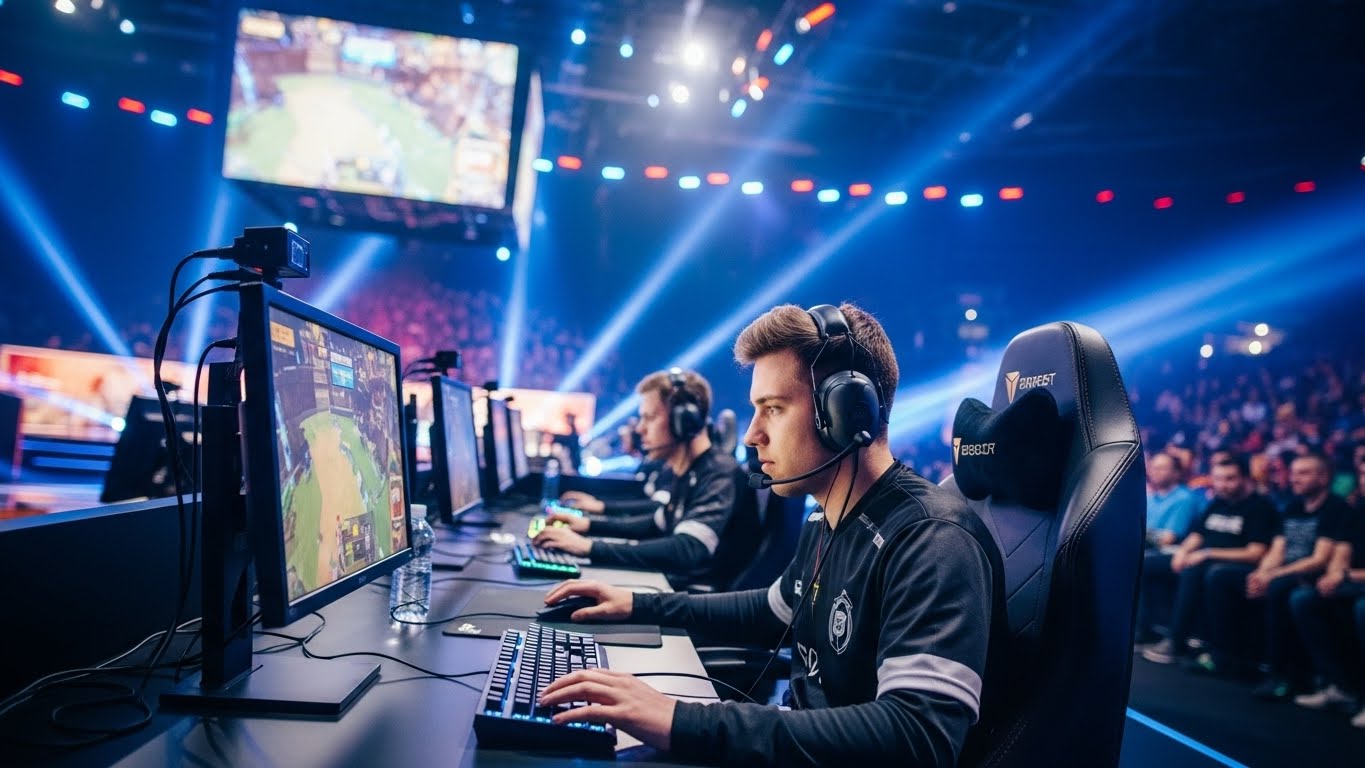
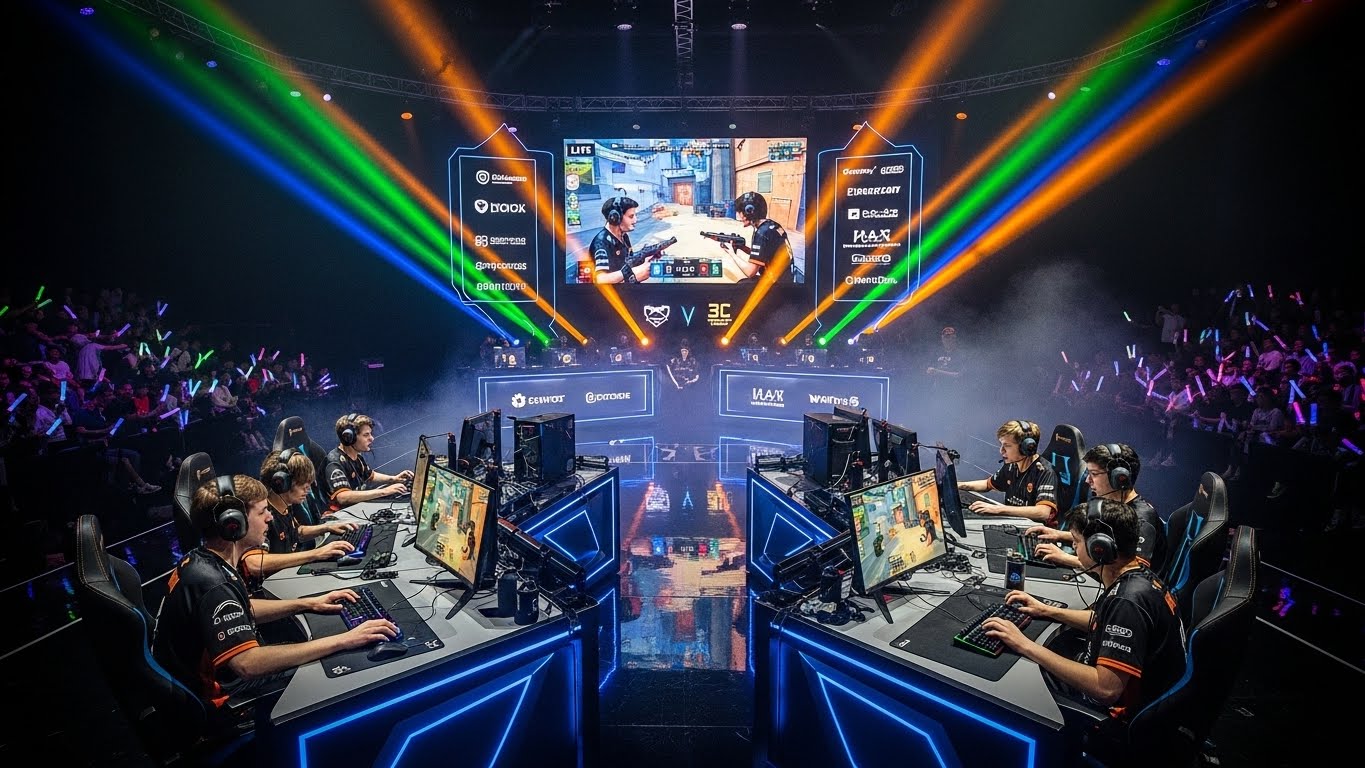
Major events like The International (Dota 2) and the League of Legends World Championship fill massive stadiums with roaring crowds, rivaling the excitement of traditional sports events. The 2019 LoL World Finals in Paris attracted over 100 million viewers globally—numbers comparable to the Super Bowl.
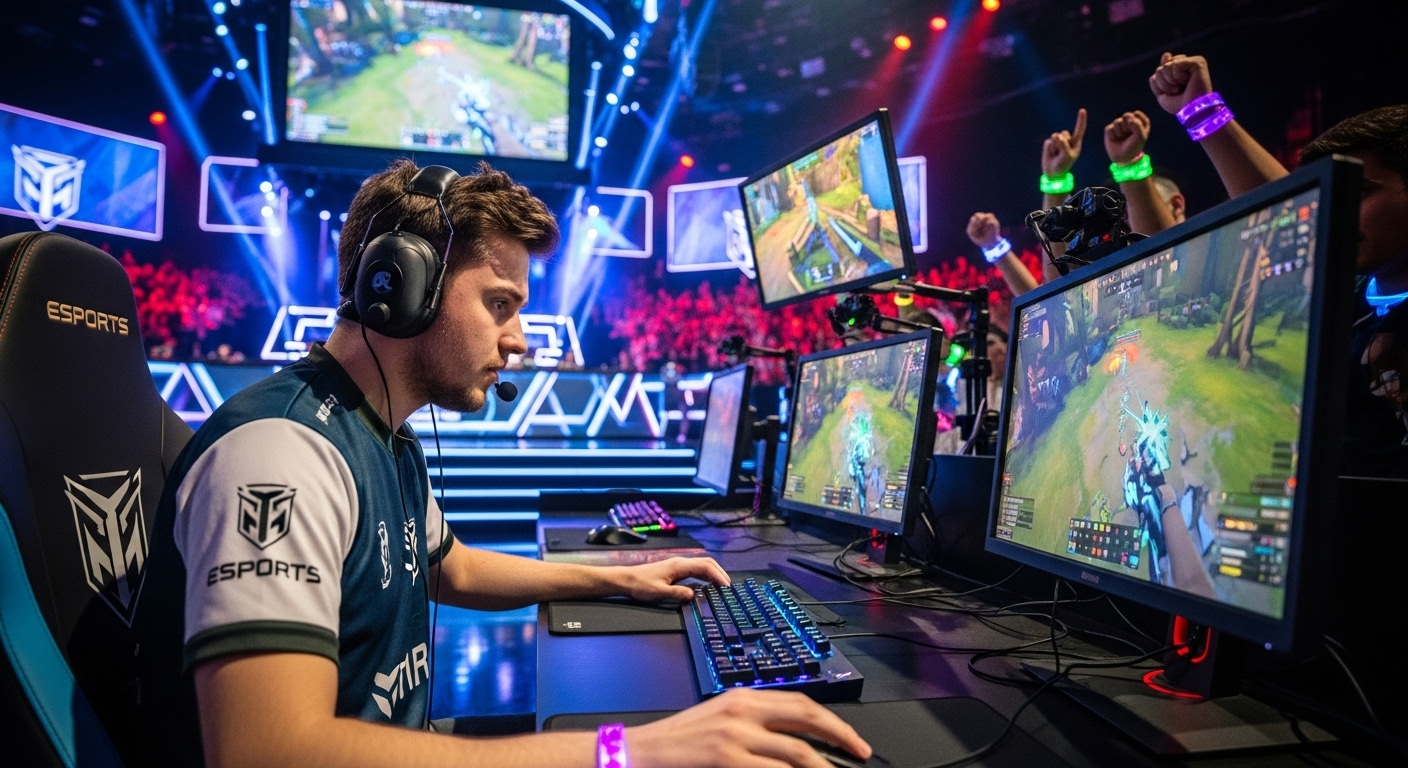
Esports events are immersive, featuring light shows, live commentary, and interactive fan experiences. Viewers not only watch but also engage with players through chat, fan art, and social media discussions, blurring the line between spectator and participant.
The Economics of Esports: A Billion-Dollar Industry
Esports has evolved from grassroots tournaments to a billion-dollar global market. According to various industry reports, Esports revenue surpassed $1.5 billion by the mid-2020s, driven by sponsorships, advertising, media rights, and merchandise sales. Streaming platforms and social media have created new revenue streams through influencer marketing and branded content.
Prize pools have reached staggering amounts. Dota 2’s The International 2021 offered over $40 million in prizes, crowdfunded largely by the gaming community. This level of participation demonstrates not just fandom, but a shared investment in the success of the industry.
Moreover, traditional sports investors and celebrities have entered the Esports space. Figures like Michael Jordan, Drake, and David Beckham have invested in Esports organizations, bridging the gap between digital and physical sports worlds.
Esports as a Career: Beyond Playing the Game
While professional players often take the spotlight, the Esports industry offers countless career paths. From game designers to event managers, shoutcasters (commentators) to content creators, opportunities abound for anyone passionate about gaming.
Coaches analyze team performance and develop strategies, much like in traditional sports. Analysts interpret data to refine player tactics. Production teams create cinematic event broadcasts, while marketing professionals build global fanbases. The Esports ecosystem thrives because of this collaborative diversity.
Education has also entered the scene. Universities worldwide now offer Esports scholarships, degrees in game management, and even dedicated training facilities. For younger generations, Esports represents not just entertainment, but a legitimate and aspirational career path.
The Social Impact of Esports: Community and Inclusion
Esports has cultivated one of the most diverse and inclusive communities in modern culture. It transcends geography, language, and physical ability. Players from vastly different backgrounds can compete on equal footing, united by shared passion and skill.
Women, though underrepresented historically, are now breaking barriers in competitive gaming. All-female teams and inclusive tournaments are paving the way for a more balanced future. Furthermore, gaming has proven to be an accessible platform for people with disabilities, offering new avenues for participation and connection.
Online platforms also nurture communities where friendships form and collaborations thrive. Despite occasional issues of toxicity or cyberbullying, efforts are being made to promote positive gaming cultures through moderation, education, and awareness campaigns.
Challenges Facing Esports: The Roadblocks Ahead
Despite its meteoric rise, Esports faces several challenges. Player burnout is one of the most pressing issues. Professional gamers often practice up to 12 hours a day, leading to physical and mental health concerns. The industry must prioritize wellness through structured training schedules, psychological support, and career longevity programs.
Integrity is another concern. Cheating, match-fixing, and doping scandals have occasionally marred Esports’ reputation. Organizations are now implementing stricter regulations, anti-cheat software, and codes of conduct to maintain fairness and professionalism.
Moreover, monetization remains a complex issue. While viewership is massive, converting that into sustainable profit models—especially for smaller organizations—continues to be a balancing act. Consistent governance and unionization may be key to ensuring fair player compensation and long-term industry stability.
The Role of Technology: The Engine Behind Esports
Esports is inseparable from technology. Advances in hardware, software, and connectivity have shaped its evolution. High-performance gaming PCs, consoles, and peripherals have enhanced the player experience, while innovations in streaming and cloud gaming have democratized access.
The rise of virtual reality (VR) and augmented reality (AR) could redefine competitive gaming once again. Imagine tournaments where physical movement, strategy, and digital immersion coexist seamlessly. Meanwhile, artificial intelligence (AI) and data analytics are transforming coaching, allowing for detailed performance reviews and predictive strategies.
5G technology, with its ultra-low latency, will further enhance online competition, making lag-free global play a reality. The continued integration of technology ensures that Esports will always remain on the cutting edge of entertainment and innovation.
The Role of Traditional Sports in Shaping Esports
Interestingly, traditional sports have had a profound influence on Esports structure and culture. Concepts like leagues, franchises, sponsorships, and player contracts are borrowed directly from sports such as basketball and soccer. Even the idea of team branding and merchandise follows the same playbook.
In return, Esports has also influenced how traditional sports engage with younger audiences. Many sports organizations now have Esports divisions or collaborate with gaming franchises to connect with digital-native fans. This synergy signals a future where both industries coexist and thrive together, each enriching the other.
Esports in Education and Youth Development
One of the most promising developments in recent years is the integration of Esports into education. Schools and universities now recognize the potential of gaming as a tool for teamwork, problem-solving, and communication. Esports programs teach students leadership, discipline, and strategic thinking—skills applicable far beyond gaming.
High schools across North America, Europe, and Asia have established Esports clubs and leagues. Colleges offer scholarships for talented players, similar to those given to athletes. By bridging academics and gaming, institutions are helping students transform passion into purpose.
Moreover, youth Esports leagues promote healthy gaming habits, emphasizing balance between competition, study, and social life. This holistic approach ensures that gaming becomes a positive force in personal development rather than a distraction.
Esports and the Media: Shaping Modern Pop Culture
Esports is not just a competitive industry—it’s a cultural movement. It has inspired documentaries, TV shows, and movies that capture the drama and emotion of digital competition. Streamers and content creators have become global celebrities, their influence extending into fashion, music, and lifestyle.
The crossover between Esports and mainstream media continues to grow. Major tournaments now feature live music performances, celebrity guests, and collaborations with popular franchises. Esports athletes appear in commercials, endorse products, and attend red-carpet events, reinforcing their status as modern icons.
This media integration has helped redefine fame in the digital age. No longer confined to Hollywood or sports arenas, global stardom can emerge from a gaming chair.
The Future of Esports: A Glimpse Ahead
The future of Esports is boundless. With the global gaming audience expected to surpass three billion people, the potential for continued growth is immense. Emerging markets in Southeast Asia, Africa, and the Middle East are developing vibrant Esports communities, expanding the industry’s reach.
We can expect more hybrid events blending physical and digital experiences, where virtual attendance feels as real as being in the arena. Esports may also evolve into the Olympics of the digital age, with international competitions uniting nations through gaming rather than physical sports.
Sustainability will also play a key role. As events grow larger, organizers will adopt eco-friendly practices, digital tickets, and energy-efficient setups to reduce environmental impact.
Ultimately, Esports represents not just a pastime, but a global movement—a celebration of human creativity, technology, and connection.
Conclusion: Esports as the New Frontier of Competition
Esports stands as a testament to how far human imagination and innovation can go. It has broken barriers, united communities, and redefined entertainment for the digital era. What started as friendly matches in arcades has become a multi-billion-dollar phenomenon that rivals the most established traditional sports.
It is more than just gaming—it is culture, business, and sport intertwined. The competitive fire, the teamwork, the strategy, and the shared exhilaration of victory all mirror the essence of human competition.
As technology continues to advance and generations grow up in digital worlds, Esports will only gain greater prominence. The future of competition is here, and it is played with a keyboard, controller, and passion that knows no limits.