Introduction: A New Era of Competition
Esports, or competitive gaming, has grown from niche hobbyist gatherings to a global phenomenon in just a few decades. What once was seen as a casual pastime among friends in living rooms has transformed into a professional, multi-billion-dollar industry attracting millions of fans worldwide. Esports is now recognized not only as entertainment but also as a legitimate career path, a cultural movement, and a platform for innovation. This blog explores the evolution, impact, and future of esports while examining how it reshapes our understanding of competition and community in the digital age.
The Evolution of Esports
The origins of esports can be traced back to the late 1970s and early 1980s when arcade gaming and early console competitions emerged. Tournaments like the Space Invaders Championship in 1980 demonstrated that gaming could draw large audiences. As technology advanced, competitive gaming moved from local arcades to internet-based competitions, making it possible for players around the world to compete against one another. The 1990s brought games like StarCraft and Counter-Strike, which laid the foundation for organized esports leagues.
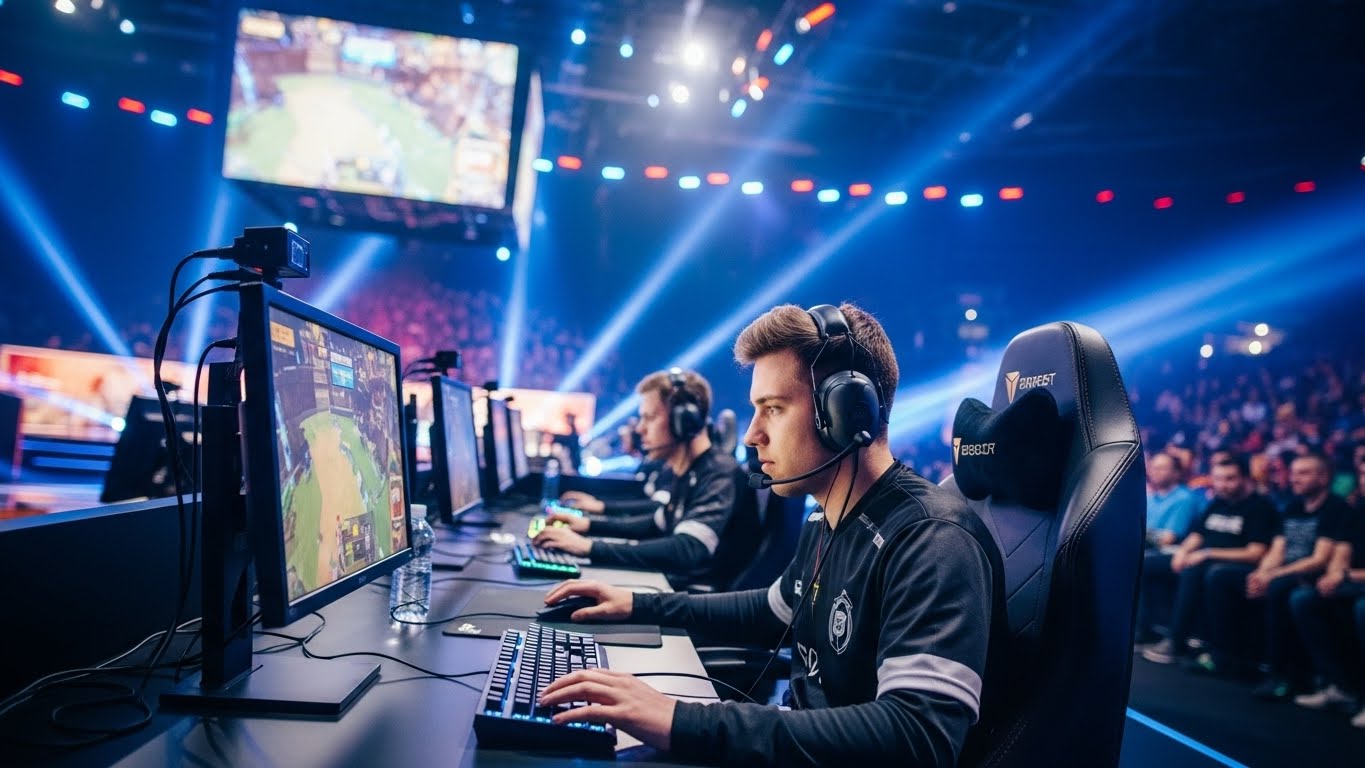
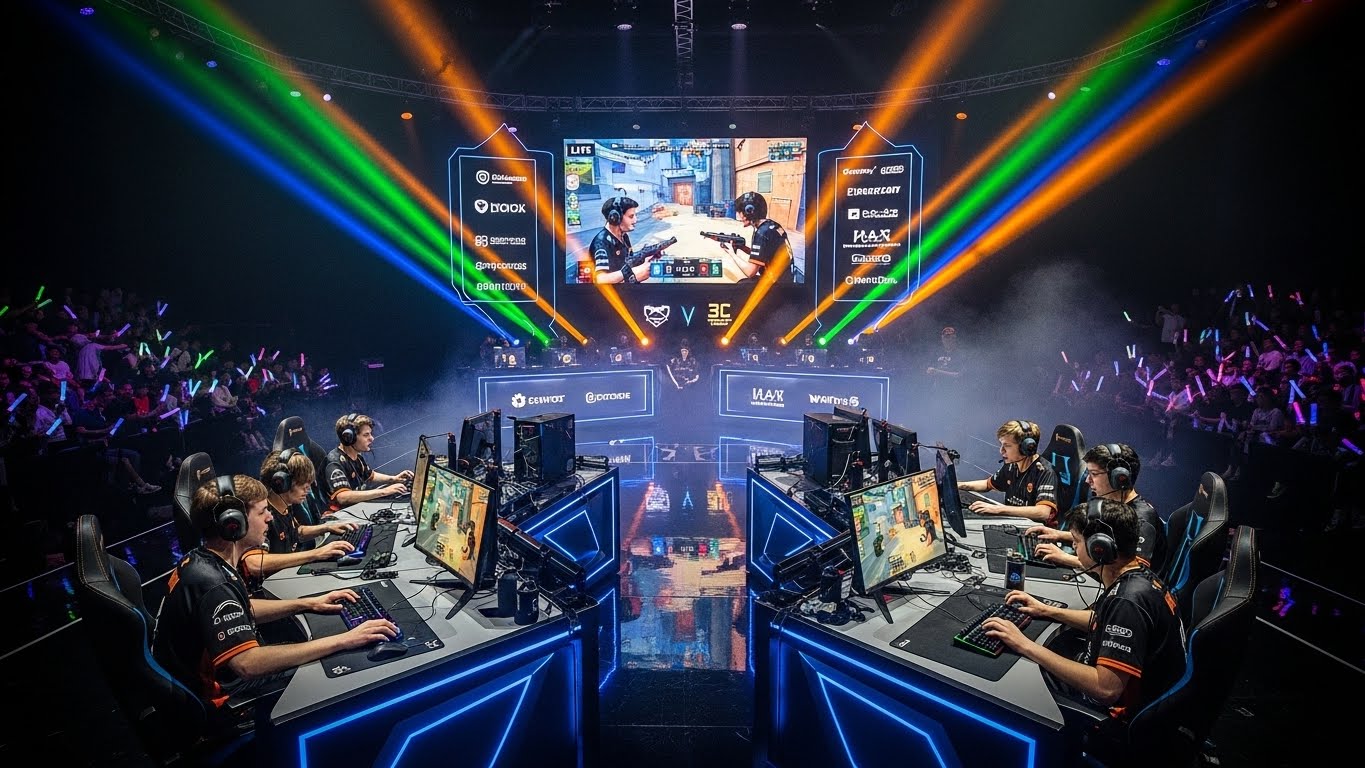
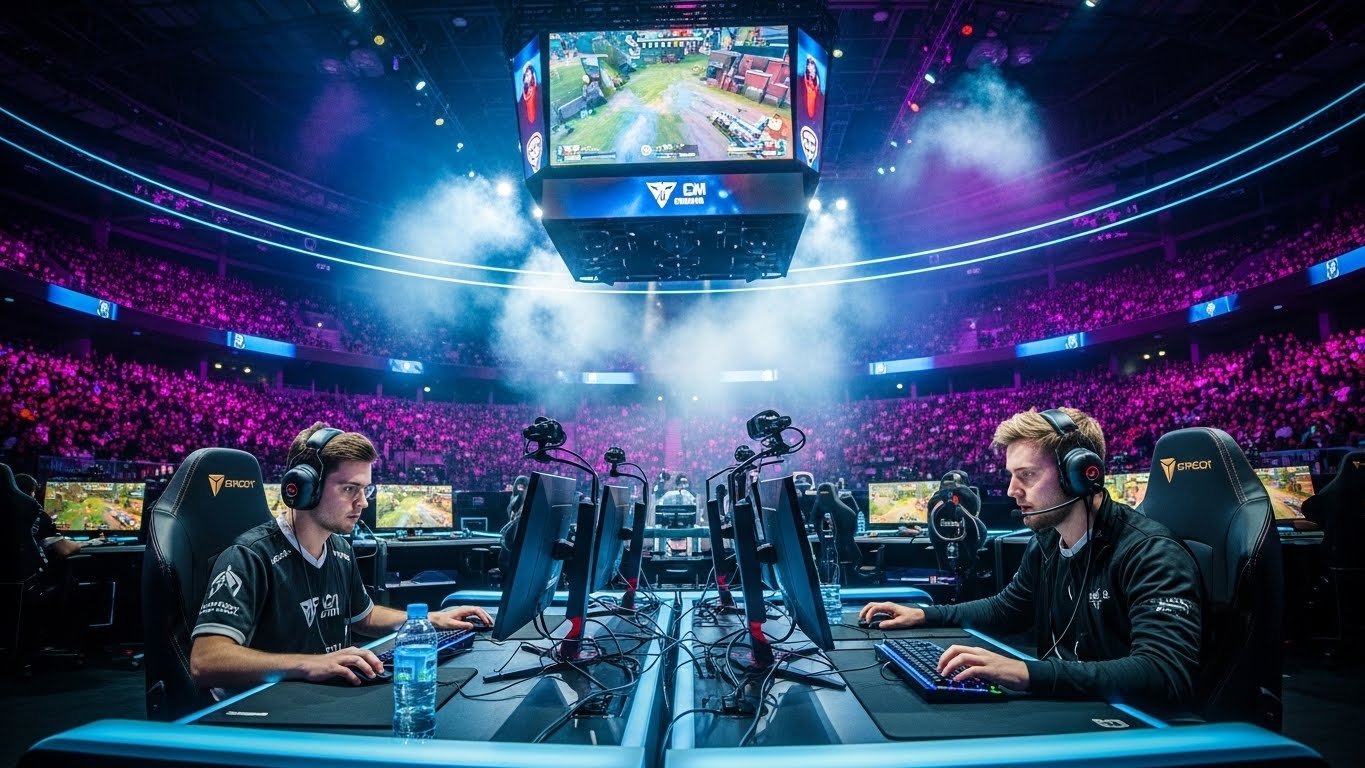
With the rise of high-speed internet and streaming platforms in the 2000s, esports experienced exponential growth. Games such as League of Legends, Dota 2, and Overwatch became household names, offering structured competitive environments, professional teams, and international tournaments. Today, esports events attract tens of thousands of live attendees and millions of online viewers, rivaling traditional sports in both scale and engagement.
The Global Impact of Esports
Esports has a profound cultural and economic impact worldwide. Countries like South Korea have embraced esports as a major part of their culture, with professional gamers attaining celebrity status comparable to traditional athletes. In North America and Europe, universities and colleges now offer scholarships and programs to nurture esports talent, signaling a shift in societal perception.
Economically, the esports industry generates billions of dollars through sponsorships, merchandising, media rights, and live events. Brands ranging from technology companies to lifestyle products invest heavily in esports, recognizing its influence on younger demographics. The global fan base of esports, estimated in the hundreds of millions, represents a powerful market with tremendous growth potential.
Esports as a Career Path
Professional gaming is no longer just a dream for hobbyists. Top-tier players earn substantial incomes through tournament winnings, sponsorships, and streaming revenue. Teams operate much like traditional sports franchises, with coaching staff, nutritionists, analysts, and trainers to optimize performance. Players dedicate countless hours to practice and strategy, mirroring the discipline required in physical sports.
Beyond playing professionally, esports offers a variety of career opportunities in event management, broadcasting, marketing, game development, and content creation. The rise of platforms like Twitch and YouTube has also created opportunities for influencers and streamers to build substantial followings and monetize their content. For aspiring professionals, esports is a legitimate and potentially lucrative career path.
The Role of Technology in Esports
Technology is the backbone of esports. High-performance hardware, advanced gaming software, and fast internet connections are essential for competitive play. Unlike traditional sports, where the environment is physical and controlled, esports relies on digital arenas that demand precision, speed, and adaptation to evolving game mechanics.
Streaming technology has revolutionized how audiences consume esports. Platforms allow viewers to watch live matches from anywhere in the world, interact with players in real time, and engage with communities centered around specific games. Additionally, innovations in artificial intelligence and analytics help teams optimize strategies and performance, introducing a scientific dimension to competitive gaming.
Mental and Physical Demands of Esports
Although esports may not involve physical exertion like football or basketball, it demands remarkable mental stamina, focus, and strategic thinking. Professional players often train for multiple hours daily, requiring sharp reflexes, quick decision-making, and precise hand-eye coordination. Long hours of practice can lead to stress, burnout, and physical issues like repetitive strain injuries and eye strain, making health management crucial.
Many organizations now incorporate fitness routines, nutrition plans, and mental coaching to support players. Cognitive exercises, mindfulness techniques, and physical training help maintain peak performance. The recognition of mental and physical well-being as essential components highlights the professionalization and seriousness of esports.
Esports and Community Building
One of the most distinctive aspects of esports is its ability to foster global communities. Fans gather online to watch, discuss, and analyze games, creating bonds based on shared interests. Online forums, social media groups, and streaming platforms provide spaces for interaction, feedback, and collaboration, turning spectators into active participants.
Esports also promotes inclusivity, connecting people across geographic, cultural, and social boundaries. Unlike many traditional sports, esports allows individuals of varying physical abilities to compete on equal footing. This accessibility has contributed to the rapid growth of esports communities and inspired a new generation of gamers worldwide.
Educational Opportunities Through Esports
Esports has begun to influence education in meaningful ways. Numerous colleges and universities now offer esports programs that teach game design, event management, and competitive strategy alongside traditional academics. Scholarships are increasingly available to talented players, enabling them to pursue higher education while honing their skills.
Schools have also recognized the value of esports in developing critical thinking, teamwork, and leadership skills. Participation encourages problem-solving, communication, and adaptability, which are applicable beyond gaming. As esports continues to integrate into educational settings, it demonstrates the potential of digital competition as a tool for learning and personal growth.
Esports as a Spectator Sport
Watching esports has evolved into a dynamic spectator experience. High-profile tournaments are broadcast globally with professional commentators, live analysis, and immersive production techniques. The excitement of live matches, the unpredictability of outcomes, and the connection with favorite players make esports as thrilling to watch as traditional sports.
Fan engagement is enhanced by digital interactivity. Viewers can vote on outcomes, participate in live chats, and access real-time statistics. This level of engagement has redefined the concept of sports spectatorship, creating a more interactive and personalized experience that caters to a tech-savvy audience.
The Challenges Facing Esports
Despite its growth, esports faces several challenges. The rapid expansion of the industry has led to concerns about player exploitation, lack of regulation, and sustainability of career longevity. Burnout and mental health issues remain critical concerns for professional players, highlighting the need for better support systems.
The digital nature of esports also introduces unique issues, such as cheating, hacking, and online harassment. Maintaining fair play, ensuring security, and fostering respectful communities are ongoing priorities for game developers, organizers, and governing bodies. Addressing these challenges is essential to maintain the credibility and integrity of esports.
The Future of Esports
The future of esports looks promising and transformative. Emerging technologies such as virtual reality, augmented reality, and artificial intelligence are expected to enhance both gameplay and spectator experiences. Esports may increasingly intersect with traditional sports, creating hybrid events that attract diverse audiences.
Globalization will continue to expand esports’ reach, with more countries investing in infrastructure, talent development, and professional leagues. Inclusivity and accessibility will remain central, making esports a platform where anyone with skill and dedication can compete.
As the line between gaming, entertainment, and professional competition continues to blur, esports will remain a defining feature of the digital age, offering new ways to experience competition, collaboration, and community.
Conclusion: Esports as a Cultural Phenomenon
Esports is no longer just a niche hobby or casual pastime. It has evolved into a cultural, economic, and social powerhouse with global influence. From providing career opportunities to fostering communities, from pushing technological boundaries to redefining spectator engagement, esports embodies the spirit of modern competition.
The rise of esports demonstrates how digital innovation can reshape traditional concepts of sports and entertainment. It offers lessons in discipline, strategy, and collaboration, while also reflecting the values and aspirations of a connected, tech-driven world. As esports continues to grow, it will inspire new generations, create lasting cultural impact, and redefine what it means to compete in the twenty-first century.