Introduction: From Living Rooms to Stadiums
Once considered a niche hobby, video gaming has evolved into one of the world’s most powerful entertainment industries. What began as small gaming competitions among friends has transformed into a global spectacle known as esports. Today, millions of fans across the world watch professional gamers compete at the highest levels in games like League of Legends, Counter-Strike, Dota 2, and Fortnite. Esports has grown into a billion-dollar industry, complete with celebrity players, brand sponsorships, and international tournaments. This revolution did not happen overnight—it is the result of decades of technological innovation, community growth, and changing attitudes toward gaming.
The Origins of Esports
The story of esports dates back to the early days of video games. In 1972, Stanford University hosted what is often considered the first official gaming competition for the game Spacewar!, where students competed for a year’s subscription to Rolling Stone magazine. In the 1980s, arcade competitions like those in Pac-Man and Donkey Kong began attracting attention. Players would compete for the highest scores, often featured in magazines as symbols of skill and prestige.
As personal computers and consoles became more accessible in the 1990s, competitive gaming communities started to form around titles like Street Fighter, StarCraft, and Quake. Local tournaments began to grow into national and even international events. The release of the internet and online multiplayer capabilities brought a new dimension to gaming competition—players could now face opponents from around the world without leaving their homes.
The Internet and the Birth of Modern Esports
The early 2000s marked a major turning point for competitive gaming. Broadband internet connections became common, and gaming titles like Counter-Strike and Warcraft III introduced new levels of online competition. South Korea quickly emerged as a global hub for esports, with professional leagues, dedicated television channels, and sponsored teams. Korean players became household names, and gaming was treated with the same respect as traditional sports.
Meanwhile, Western countries began to develop their own professional scenes. Organizations like Major League Gaming (MLG) and Electronic Sports League (ESL) brought structure and legitimacy to competitive gaming. They introduced standardized rules, prize pools, and official rankings, laying the groundwork for the modern esports ecosystem we see today.
The Explosion of Esports in the 2010s
The true explosion of esports came during the 2010s. The combination of live streaming technology, social media, and high-quality competitive games created the perfect environment for esports to thrive. Twitch, launched in 2011, gave gamers the ability to broadcast their matches live to audiences worldwide. This not only made esports more accessible but also allowed fans to connect directly with their favorite players and teams.
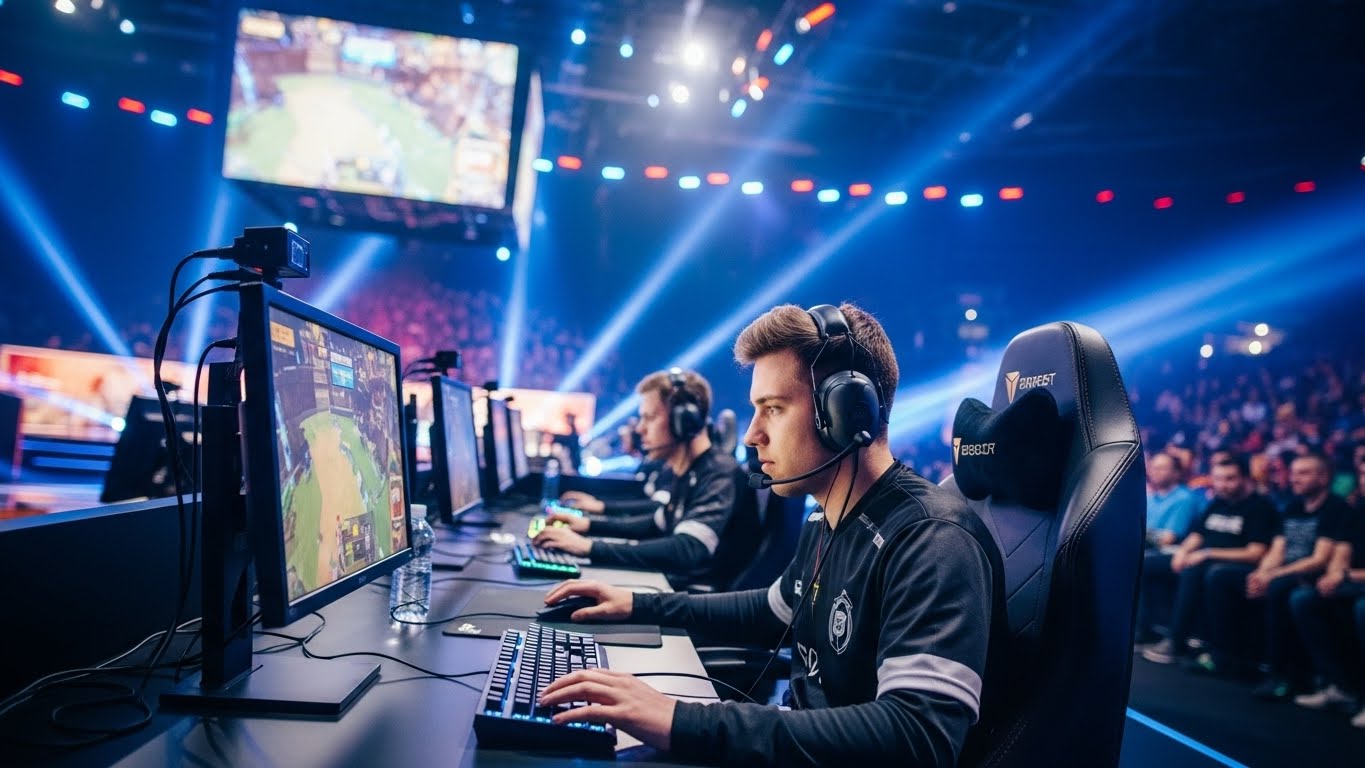
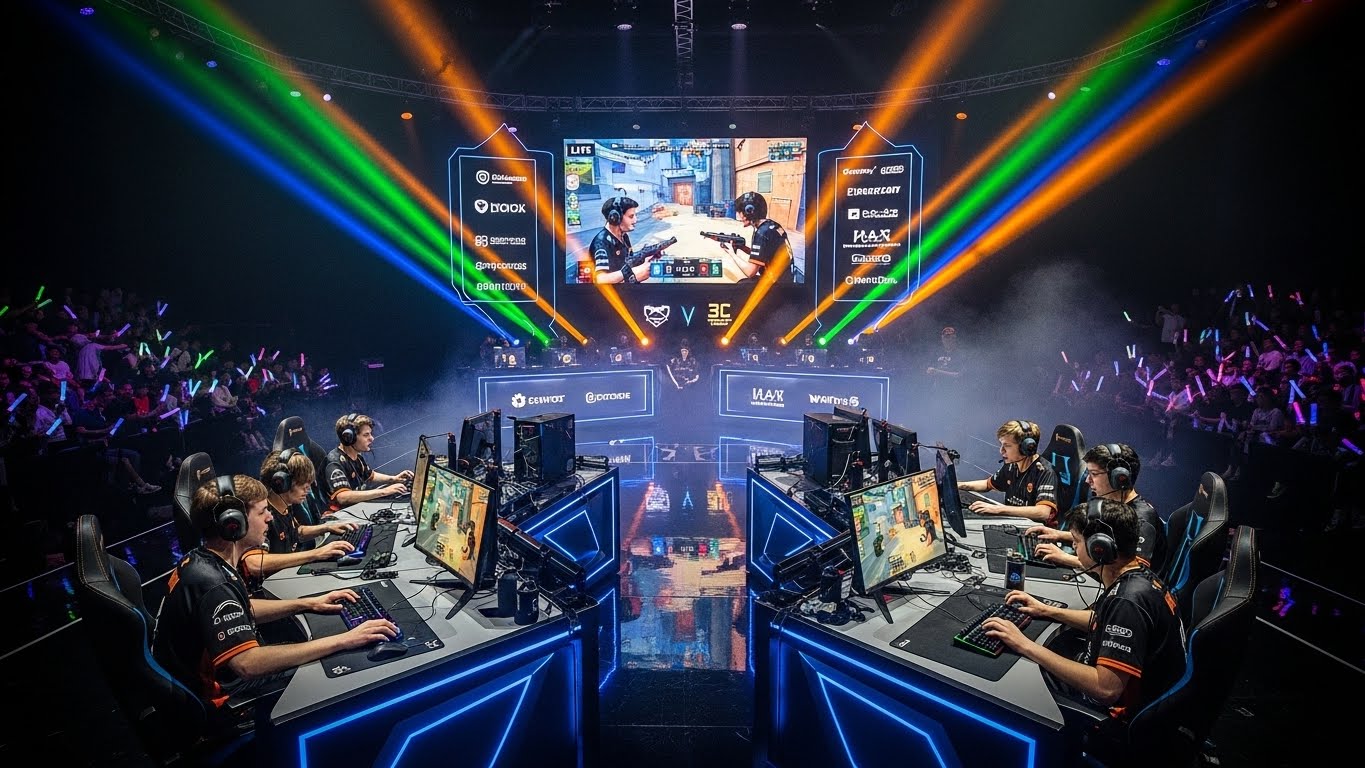
During this decade, game developers began designing titles specifically with esports in mind. League of Legends, Dota 2, and Overwatch were built to be spectator-friendly, with clear visuals, engaging commentary, and balanced gameplay. Tournaments grew from small local gatherings to massive global events filling stadiums. The 2018 League of Legends World Championship, for example, attracted over 100 million viewers—comparable to major traditional sporting events like the Super Bowl.
The prize money also skyrocketed. Dota 2’s annual The International tournament has awarded tens of millions of dollars in prizes, funded by the community through in-game purchases. Players and teams began signing with major organizations, gaining sponsorships from brands like Intel, Red Bull, and even automobile companies. Esports was no longer just a hobby—it had become a professional career path.
The Players: New-Age Athletes
One of the biggest shifts in perception has been the recognition of professional gamers as true athletes. While esports competitors may not rely on physical strength, their skills require lightning-fast reflexes, strategic thinking, and mental endurance. Professional players often train up to ten hours a day, analyzing gameplay, improving coordination, and working with coaches to perfect their tactics.
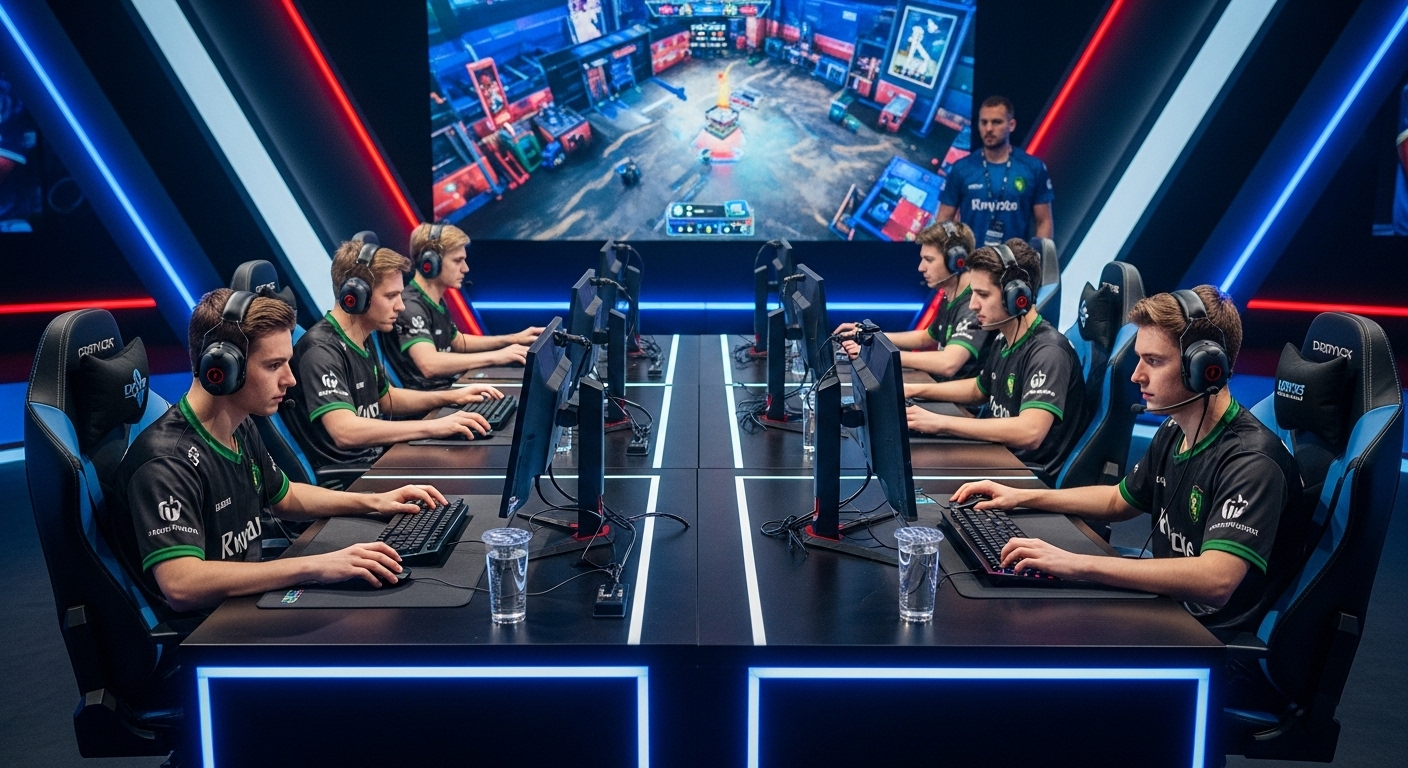
Just like in traditional sports, teamwork and communication are critical. Games like League of Legends or Overwatch demand coordination among five or more players, each with specific roles. Teams often hire analysts, strategists, and sports psychologists to maintain performance and mental health. Many top players achieve celebrity status, with millions of social media followers and sponsorship deals that rival those of professional athletes.
However, the career span of an esports athlete tends to be short. Due to the intense competition and mental pressure, many retire in their early twenties. This has led organizations to invest more in training facilities, physical fitness programs, and post-retirement career planning to ensure long-term sustainability for their players.
The Fans and the Culture
Esports fandom is a defining feature of modern gaming culture. Fans do not just watch tournaments—they live and breathe the games they love. They follow teams, discuss strategies, and celebrate victories just like fans of football or basketball. Online platforms have made it easier than ever to interact with professional players, creating a sense of community and connection.
Cosplay, streaming, and content creation have also become major parts of the esports ecosystem. Influencers and content creators help bridge the gap between casual and competitive players, bringing entertainment and education to millions. Fan conventions, gaming expos, and esports festivals provide opportunities for people to gather, celebrate, and share their passion for gaming.
This cultural shift has also influenced the perception of gaming in society. What was once considered an isolated activity is now seen as a form of creativity, competition, and collaboration. Parents and educators are beginning to recognize the potential of gaming to teach valuable skills such as teamwork, problem-solving, and digital literacy.
Esports in Education and Career Opportunities
The rapid growth of esports has led to new opportunities in education and employment. Universities around the world have started offering esports scholarships, much like traditional athletic programs. Students can now study game design, marketing, event management, and broadcasting with a focus on esports.
Beyond professional play, the esports industry employs thousands in diverse roles—commentators, coaches, event organizers, game developers, and media specialists. Broadcasting production, sponsorship management, and digital content creation have become highly sought-after careers. With the industry’s expansion, there is increasing demand for skilled professionals who understand both gaming and business.
Challenges Facing the Esports Industry
Despite its success, esports faces several challenges. The industry’s rapid growth has raised concerns about player burnout, financial sustainability, and regulation. Because esports is still relatively young, there is no unified global governing body to oversee standards, player rights, and competitive integrity. This lack of structure can lead to disputes over contracts, unfair pay, and inconsistent rules across different regions and games.
Another challenge is maintaining the health and well-being of players. Long hours of screen time, intense pressure to perform, and limited work-life balance can take a toll on both mental and physical health. Many organizations are now prioritizing player welfare, introducing wellness programs and mandatory breaks to promote healthier lifestyles.
Cheating and match-fixing are also issues that threaten the credibility of esports. With large prize pools at stake, there have been cases of players or teams engaging in unethical practices. Developers and tournament organizers are investing heavily in anti-cheat systems and integrity enforcement to ensure fair play.
The Future of Esports
Looking ahead, the future of esports appears incredibly bright. Advances in technology such as virtual reality, augmented reality, and artificial intelligence are expected to revolutionize how games are played and viewed. Virtual arenas and interactive fan experiences could make esports even more immersive and accessible.
Moreover, the line between traditional sports and esports continues to blur. Major sports franchises have invested in esports teams, and events like the Asian Games have already included esports as medal events. It is only a matter of time before esports gain wider recognition on the global sports stage.
The potential for growth in developing regions such as Africa, South America, and the Middle East is also immense. As internet access improves and gaming technology becomes more affordable, millions of new players and fans are expected to join the esports community. With the combination of passion, innovation, and global connectivity, esports will continue to shape the future of entertainment and digital culture.
Conclusion: A New Era of Competition
Esports represents more than just a new kind of sport—it symbolizes the evolution of human competition in the digital age. It has brought together people from different backgrounds, languages, and cultures through the universal language of gaming. What once began as a small pastime has now become a powerful force in global entertainment, education, and technology.
The rise of esports shows that passion, skill, and creativity know no boundaries. Whether it is played in a stadium filled with thousands or streamed to millions online, esports continues to inspire a generation of players and fans to dream, compete, and connect in ways that were once unimaginable.