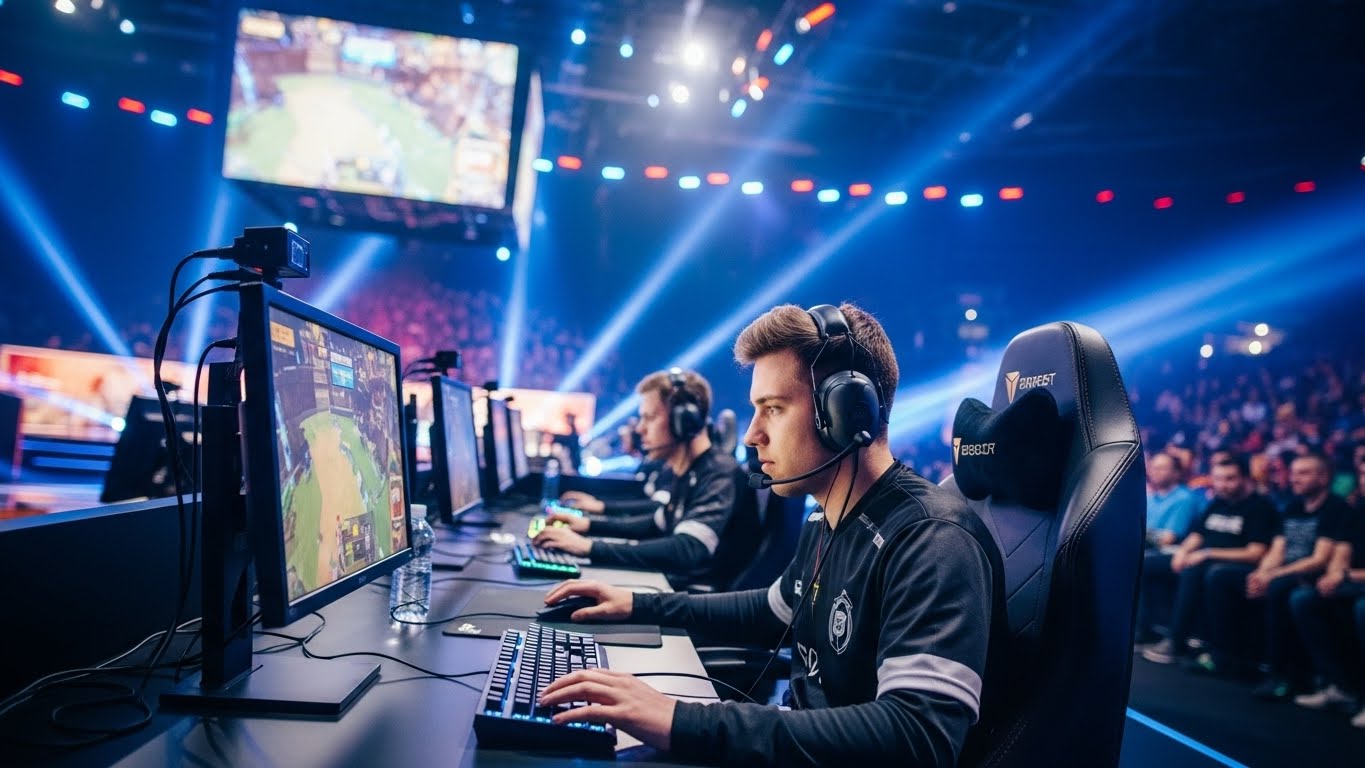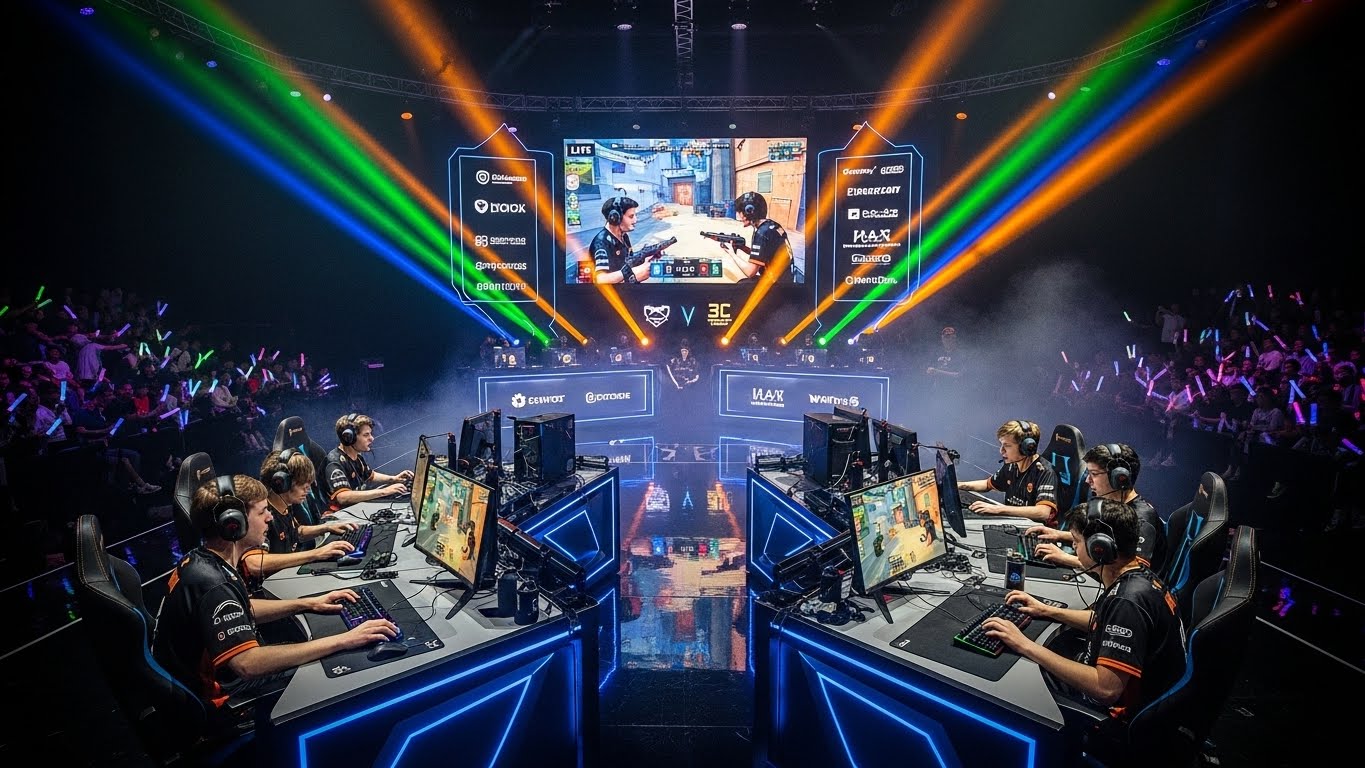
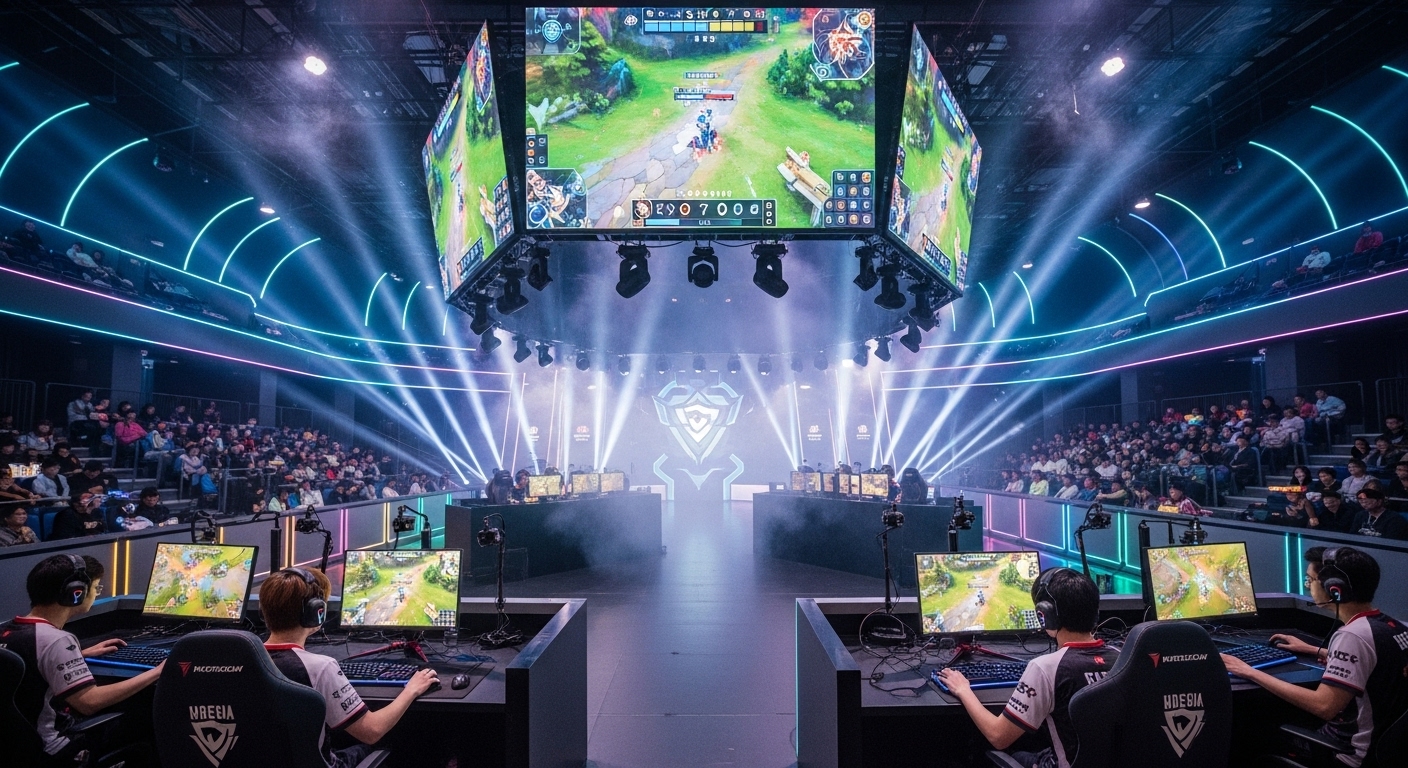
Esports, short for electronic sports, has emerged as one of the most transformative and rapidly growing sectors in the entertainment industry. Once considered a niche hobby for a small group of dedicated gamers, esports has exploded into a global phenomenon, captivating millions of fans around the world. With professional leagues, multi-million-dollar tournaments, and a rapidly expanding fanbase, esports has reshaped the landscape of competitive entertainment. In this blog post, we will explore the rise of esports, its impact on the gaming industry, and how it has become a central part of modern sports culture.
The Origins of Esports: From Casual Competition to Professional Spectacles
The roots of esports can be traced back to the early days of video gaming. While competitive gaming existed in a rudimentary form since the 1970s, it wasn’t until the 1990s that the concept of esports, as we know it today, began to take shape. Early pioneers in competitive gaming included games like Doom and Warcraft, which allowed players to compete against one another via local area networks (LAN). These early tournaments, held on a small scale, were mostly grassroots efforts fueled by the passion of players and fans.
However, esports began to gain more widespread attention with the arrival of StarCraft in 1998. The real-time strategy game became a cornerstone of competitive gaming, particularly in South Korea, where esports began to take off as a professional sport. The development of online multiplayer platforms in the late 1990s and early 2000s opened up opportunities for players to compete against one another over the internet, paving the way for larger-scale tournaments and leagues.
In the early 2000s, esports began to emerge on a global stage, thanks to the development of organized events like the World Cyber Games and the Electronic Sports World Cup. These events were among the first to offer large cash prizes and attract top-tier talent from around the world. While esports was still seen as a niche activity, it was beginning to show signs of its potential to become a major part of the entertainment landscape.
The Explosion of Esports in the 2010s
The 2010s marked the true breakthrough of esports as a mainstream phenomenon. Several key factors contributed to this surge in popularity, including the rise of new competitive games, the growth of streaming platforms, and the increasing involvement of major brands and sponsors.
One of the most significant catalysts for the rise of esports was the advent of multiplayer online battle arena (MOBA) games like League of Legends and Dota 2. These games provided an accessible entry point for both players and spectators, combining strategic gameplay with team-based competition. League of Legends, in particular, became a global sensation, with millions of players worldwide and a dedicated fanbase that tuned in to watch professional tournaments. The game’s annual World Championship became one of the most-watched esports events in history, drawing in millions of viewers from around the world.
Streaming platforms like Twitch, which launched in 2011, played a crucial role in expanding esports’ reach. These platforms allowed players to broadcast their gameplay to a global audience, creating a new form of entertainment that was interactive and accessible. For the first time, fans could watch top-tier players compete in real-time, engage with them directly through live chat, and even support their favorite streamers financially through subscriptions and donations.
The streaming revolution not only helped elevate the profile of professional esports, but it also created a new breed of celebrities. Gamers like Ninja (Tyler Blevins) and Shroud built massive followings on Twitch and became household names, transcending gaming and entering the broader pop culture conversation. Esports was no longer just a hobby—it had become a legitimate career path for those skilled enough to make it to the top.
The Esports Ecosystem: A Multi-Billion Dollar Industry
Esports is not just about the games themselves; it is a complex ecosystem that includes professional players, teams, sponsors, broadcasters, and fans. This interconnected network has helped turn esports into a multi-billion-dollar industry with a massive economic impact.
1. Professional Players and Teams
At the heart of esports are the professional players and teams that compete at the highest level. These athletes, often recruited at a young age, train rigorously to develop the skills needed to succeed in competitive gaming. Unlike traditional athletes, esports players do not rely on physical strength or endurance, but rather on their reflexes, strategy, communication, and mental fortitude.
Professional esports players often spend hours each day practicing their games, studying opponents, and refining their techniques. Many of the top esports players earn substantial salaries, not just from tournament prize money but also from sponsorships, streaming revenue, and endorsements. A top-tier player in games like Dota 2, League of Legends, or Counter-Strike: Global Offensive can earn millions of dollars in a year.
Esports teams, such as Team Liquid, Cloud9, and FaZe Clan, have become household names in the industry. These organizations manage multiple teams that compete in different games, from MOBAs to first-person shooters. Esports teams often have coaches, analysts, and other staff members who support the players and ensure they are performing at their best. The rise of esports has created an entirely new career landscape, with players, coaches, managers, and analysts all playing key roles.
2. Tournaments and Leagues
Esports tournaments are the centerpiece of the industry. These events, which feature the best players from around the world, are often held in massive arenas and streamed to millions of viewers online. The prize pools for these tournaments can reach staggering amounts—Dota 2’s International 2021, for example, boasted a prize pool of over $40 million.
Esports tournaments are often organized by publishers (like Riot Games for League of Legends and Valve for Dota 2) or third-party organizers. The structure of these events has become more sophisticated over time, with professional leagues and franchised teams mirroring the organization of traditional sports leagues. The League of Legends Championship Series (LCS) and the Overwatch League are examples of how esports leagues now operate much like traditional sports leagues, with regular seasons, playoffs, and championship finals.
These tournaments attract massive live audiences and offer a thrilling viewing experience for fans. Events like the League of Legends World Championship, held annually, have drawn audiences larger than those of traditional sporting events like the Super Bowl. This shift has solidified esports as a legitimate form of entertainment and has earned it the respect of the broader sports and entertainment industries.
3. Sponsors and Advertisers
Esports has attracted significant investment from major corporations and brands looking to tap into the growing audience of gamers. Sponsors like Red Bull, Intel, and Coca-Cola have partnered with esports teams and events to increase their visibility among a young, tech-savvy demographic. These sponsorship deals are essential for the financial growth of esports, as they provide the funding needed to support players, teams, and tournaments.
Brands in industries such as technology, fashion, and even fast food have begun to recognize the potential of esports as a marketing tool. For instance, Intel has been a major sponsor of esports tournaments, and Nike has collaborated with esports teams to create branded apparel. This cross-industry collaboration has helped legitimize esports as a mainstream form of entertainment.
4. Streaming and Content Creation
Streaming has become a cornerstone of the esports ecosystem. Platforms like Twitch and YouTube Gaming provide a platform for players to broadcast their gameplay and interact with fans. Some of the most successful esports players are also full-time streamers, earning revenue through subscriptions, ads, donations, and sponsorships.
Content creators in esports are not limited to just players—many influencers, analysts, and casters (commentators) have built large followings by providing insight, commentary, and entertainment around competitive gaming. These content creators help to bring the esports experience to life, making it more accessible and enjoyable for fans.
The streaming model has also created new forms of fan engagement. Viewers are able to interact with players and commentators in real-time, ask questions, and even participate in live giveaways and competitions. This level of interaction between fans and players is something that traditional sports have struggled to replicate, and it has become one of the defining characteristics of the esports experience.
The Future of Esports: What Lies Ahead?
As esports continues to evolve, its future looks incredibly promising. Several factors will drive its growth in the coming years:
1. Continued Technological Advancements
Technological advancements in areas such as virtual reality (VR), augmented reality (AR), and artificial intelligence (AI) are set to revolutionize the esports experience. VR and AR could provide more immersive ways for players and fans to experience competitions, while AI could be used to develop smarter, more challenging opponents for players.
2. Integration with Traditional Sports
Esports is already seeing increased integration with traditional sports. Major sports leagues, such as the NBA and NFL, are investing in esports teams, and there are even discussions about including esports in the Olympics. This cross-pollination between traditional sports and esports could help accelerate the growth and mainstream acceptance of competitive gaming.
3. Broader Cultural Impact
As esports continues to grow, it is likely to have an even greater impact on culture, particularly among younger generations. The ability of esports to bring people together from different cultures, backgrounds, and countries has the potential to foster global connections and create a new sense of shared identity.
Conclusion
Esports has come a long way from its humble beginnings, and its rapid growth over the past decade has transformed it into one of the most exciting and dynamic sectors of the entertainment industry. With its passionate fanbase, professional leagues, and multi-million-dollar prize pools, esports has cemented its place as a global entertainment powerhouse. Whether you’re a casual