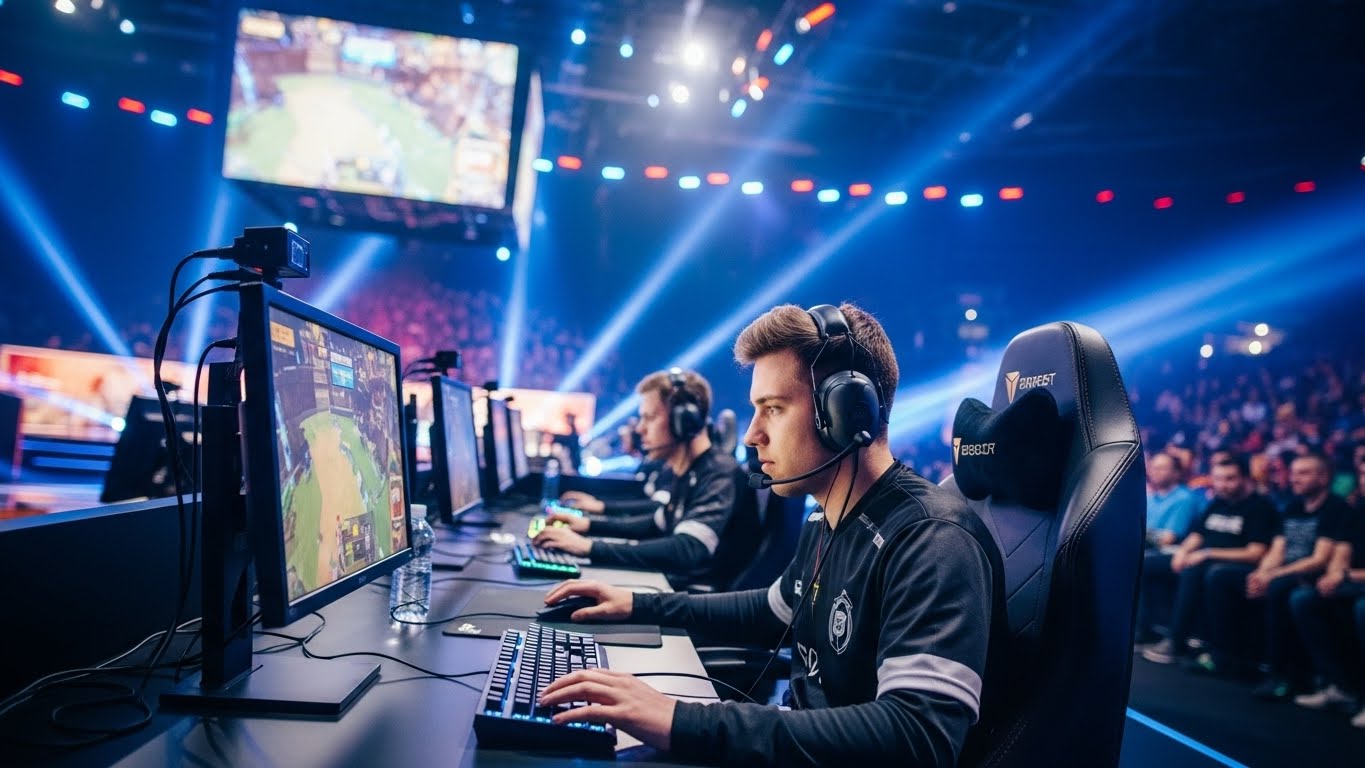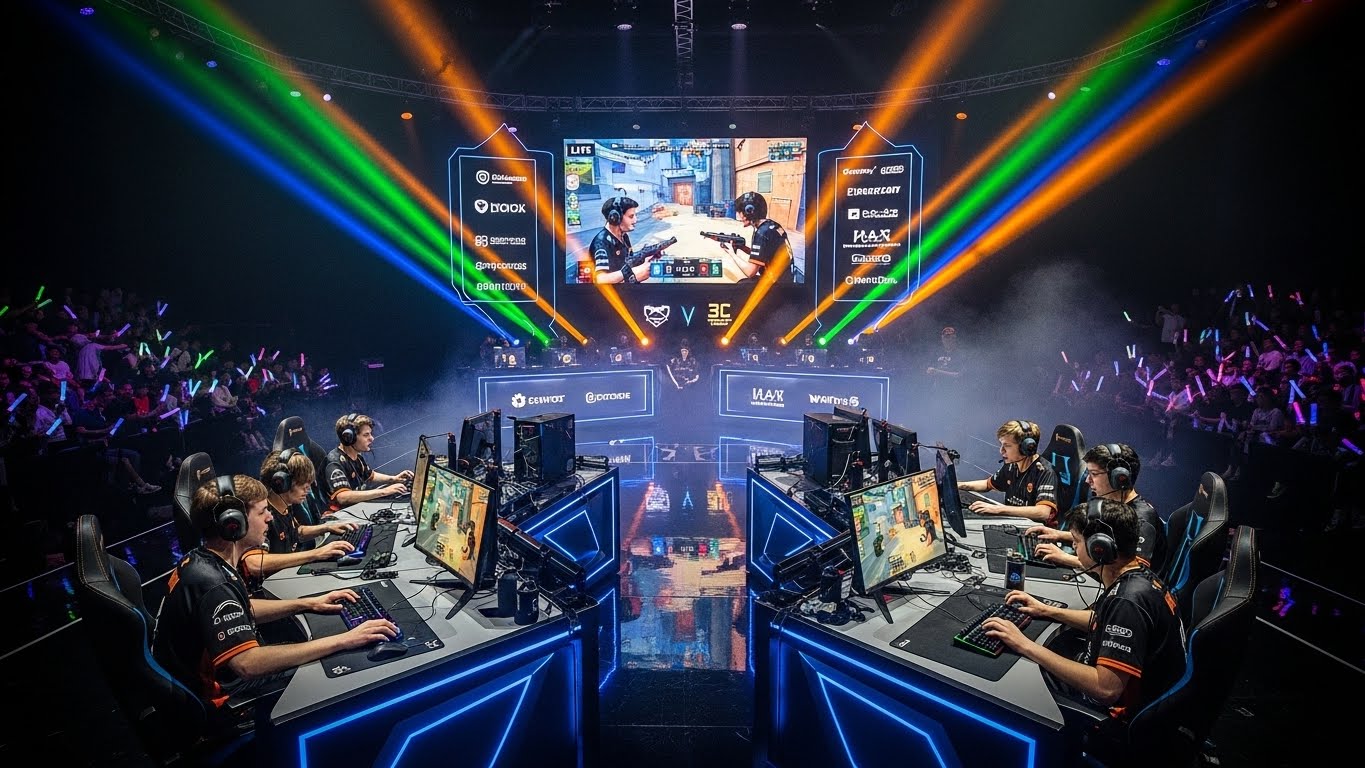
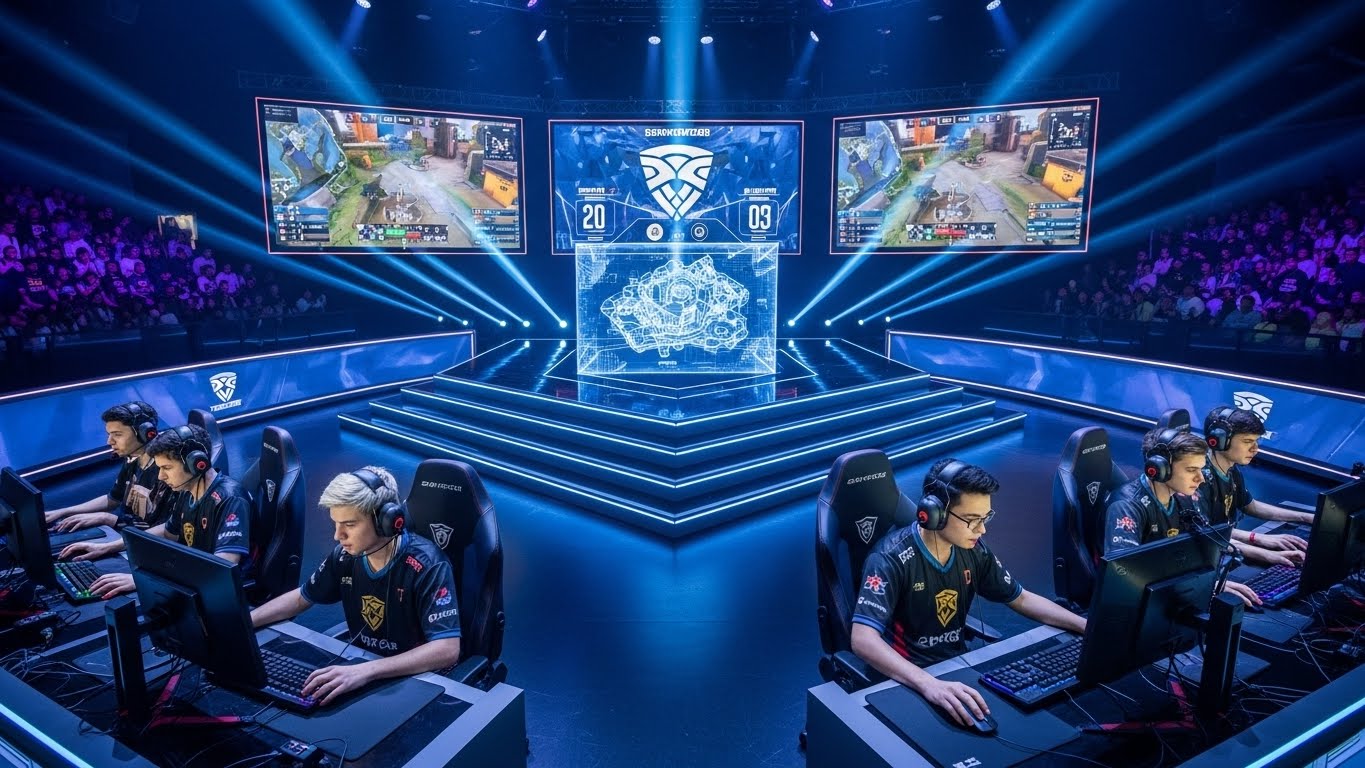
Esports, once a niche interest for a select group of gamers, has quickly transformed into a global phenomenon that rivals traditional sports in terms of viewership, revenue, and cultural influence. From the days of local LAN parties to massive international tournaments broadcast to millions of fans, esports has established itself as a legitimate form of competition, entertainment, and even a career path. In this blog post, we will explore the evolution of esports, its impact on the gaming industry, and the future that awaits competitive gaming.
The Humble Beginnings of Esports
Esports, or electronic sports, refers to organized video game competitions, particularly between professional players, individually or as teams. The roots of esports can be traced back to the 1970s and 1980s, but it wasn’t until the late 1990s and early 2000s that esports truly began to take shape.
The first major example of competitive gaming was the “Red Annihilation” tournament for the game Quake in 1997, which attracted a substantial following. However, it wasn’t until StarCraft and Warcraft hit the market that esports began to build momentum in South Korea, a country that would eventually become the epicenter of competitive gaming. By the early 2000s, South Korea had established professional gaming leagues, and the idea of esports as a legitimate career path began to take form.
In those early years, esports competitions were typically small-scale events, often organized by enthusiastic players or game developers. These tournaments were largely local, and the prize pools were minimal, but they provided a foundation for what would grow into a multi-billion-dollar industry. The games played in these early competitions were typically real-time strategy (RTS) or first-person shooter (FPS) games, genres that emphasized individual skill and strategic thinking.
The Rise of Online Gaming and Streaming Platforms
As internet infrastructure improved in the 2000s, the ability to play games online opened up new opportunities for esports. Online multiplayer games like Warcraft III, Counter-Strike, and League of Legends allowed players to compete in matches with others from around the world, creating a global competitive scene.
The rise of online streaming platforms, particularly Twitch, in the early 2010s, marked a pivotal moment in the growth of esports. Twitch allowed players to broadcast their gameplay to an audience, creating a direct link between players and their fans. This development helped esports gain mainstream recognition and reach a broader, more diverse audience.
Streaming provided not only entertainment for viewers but also allowed professional gamers to monetize their skills. As esports tournaments gained popularity, professional players, streamers, and even entire teams began to build followings, earn sponsorships, and make a living from their gaming careers. This shift from hobbyist to professional also elevated the level of competition, with players dedicating themselves to mastering their craft.
Major Esports Tournaments and Their Impact
One of the key drivers behind esports’ explosive growth has been the rise of large-scale, prestigious tournaments. These events attract top-tier players, massive prize pools, and millions of viewers from around the world. Some of the most iconic esports tournaments include:
The International (Dota 2)
The International (TI) is the annual world championship for Dota 2, a multiplayer online battle arena (MOBA) game. First held in 2011, the tournament has grown to become the largest esports event in terms of prize money. In 2021, the prize pool for The International exceeded $40 million, largely funded by the community through in-game purchases. This groundbreaking event highlighted the financial potential of esports and showcased the growing interest in competitive gaming.
League of Legends World Championship
Another cornerstone event in the esports calendar is the League of Legends World Championship (Worlds). Since its inception in 2011, Worlds has been a fixture of the esports calendar, with teams from across the globe competing for the prestigious title. The event’s viewership numbers are staggering, with the 2020 World Championship drawing over 100 million unique viewers. The success of League of Legends as both a game and an esport has had a significant impact on the popularity of MOBAs in competitive gaming.
Overwatch League
In 2018, Blizzard Entertainment launched the Overwatch League (OWL), a professional esports league built around its hero shooter game Overwatch. The league aimed to replicate the structure of traditional sports leagues like the NBA and NFL, with teams representing cities and franchises. The Overwatch League’s inaugural season was a major step toward legitimizing esports as a form of entertainment that could compete with traditional sports.
These tournaments not only attract players and viewers but also draw attention from major corporate sponsors, including tech giants like Intel, Coca-Cola, and Red Bull. The presence of these sponsorships highlights the growing recognition of esports as a mainstream entertainment industry.
The Growing Esports Ecosystem
As esports continued to expand, so did its ecosystem. While professional tournaments and leagues were essential to esports’ growth, the industry also saw the development of various other components that helped shape its success.
Esports Teams and Organizations
One of the most significant developments in the esports ecosystem has been the rise of professional esports teams. These teams are often backed by investors or major organizations, and they recruit the best players to compete in major tournaments. Teams like Cloud9, Team Liquid, and T1 have become household names in the esports world, and their success has helped establish the idea that esports teams can be as influential as traditional sports franchises.
These organizations not only provide players with the resources and training necessary to compete at the highest level but also offer a sense of community and identity. As with traditional sports, esports teams often have dedicated fan bases that follow their progress, support them during events, and engage with their content on social media.
Esports Journalism and Content Creation
Another key component of the growing esports ecosystem is esports journalism and content creation. Many esports fans are deeply invested in the stories of their favorite players, teams, and tournaments, and there is an ever-expanding range of platforms dedicated to providing coverage of the scene. Websites, podcasts, and YouTube channels provide in-depth analysis, interviews with players, and coverage of major events. Content creators like Shroud and Ninja have become celebrities in their own right, attracting millions of viewers to their streams and helping to further popularize esports.
Sponsorships, Merchandise, and Media Rights
Esports sponsorships are a crucial part of the financial ecosystem. Major brands such as Intel, Samsung, and Adidas are heavily involved in the industry, providing funding for teams, tournaments, and players. In addition, esports teams and events have their own merchandise lines, which are highly popular among fans. Jerseys, hats, and other gear emblazoned with the logos of esports teams allow fans to show support for their favorite players and organizations.
The media rights for major esports events are another significant source of revenue. Just as traditional sports leagues sell the broadcast rights for their events, esports organizations are securing similar deals with streaming platforms and television networks. This ensures that esports events reach a global audience and continue to grow in popularity.
The Future of Esports: Where Is It Headed?
Looking ahead, the future of esports seems brighter than ever. The industry is expected to continue growing, with more games, larger tournaments, and more substantial sponsorships. Several trends are likely to shape the future of esports:
The Integration of Virtual Reality (VR) and Augmented Reality (AR)
As VR and AR technologies continue to evolve, they may play an important role in the future of esports. Virtual reality games have the potential to offer a new level of immersion, while augmented reality could add new layers of interaction and excitement to live esports events. The integration of these technologies into the esports ecosystem could attract even more viewers and players, opening up new possibilities for competition.
College Esports Programs
In recent years, universities and colleges have begun to invest in esports programs, offering scholarships and establishing official teams. As esports continue to gain legitimacy, we can expect to see more educational institutions offer programs dedicated to esports management, game design, and professional gaming. This trend could further solidify esports as a career path and help cultivate the next generation of players, coaches, and industry professionals.
Global Expansion
Esports is already a global phenomenon, but its growth in regions like Africa, South America, and the Middle East presents exciting new opportunities. These regions are seeing increased access to high-speed internet, and more local tournaments and leagues are sprouting up. As more players from diverse backgrounds enter the scene, esports will continue to evolve and diversify.
Conclusion: A New Era of Entertainment
Esports has come a long way from its humble beginnings in local LAN parties. Today, it is a global industry that spans continents, brings in billions of dollars in revenue, and provides entertainment for millions of people worldwide. With its continued growth and development, esports is poised to become an even more significant part of the entertainment landscape. Whether you’re a casual gamer or a die-hard fan, it’s clear that esports is here to stay, and its future looks incredibly promising.
As the lines between gaming and traditional sports continue to blur, one thing is certain: esports is no longer just a trend; it’s a cultural movement that will continue to evolve and captivate audiences for years to come.