Introduction: The Rise of a New Sporting Frontier
Esports, once a niche pastime, has grown into a global phenomenon that blends technology, competition, and entertainment in unprecedented ways. What began as casual gaming in bedrooms and arcades has transformed into a professionalized industry, attracting millions of viewers, massive sponsorships, and even recognition as a legitimate sport. Esports is more than just playing games; it is a cultural movement that challenges traditional ideas of athleticism, teamwork, and career opportunities. This blog explores the evolution of esports, its impact on society, the business behind the screens, and what the future may hold for this rapidly expanding industry.
The Origins of Competitive Gaming
The roots of esports can be traced back to the late 1970s and early 1980s when arcade tournaments first started attracting competitive players. Games like Space Invaders and Pac-Man sparked local competitions, while the advent of home consoles expanded accessibility. By the 1990s, multiplayer PC games such as Doom, Quake, and StarCraft enabled players to compete online, creating the first true competitive gaming communities. These early tournaments were often small-scale events, but they laid the foundation for the professional esports ecosystem that exists today.
The Evolution of Esports into a Global Industry
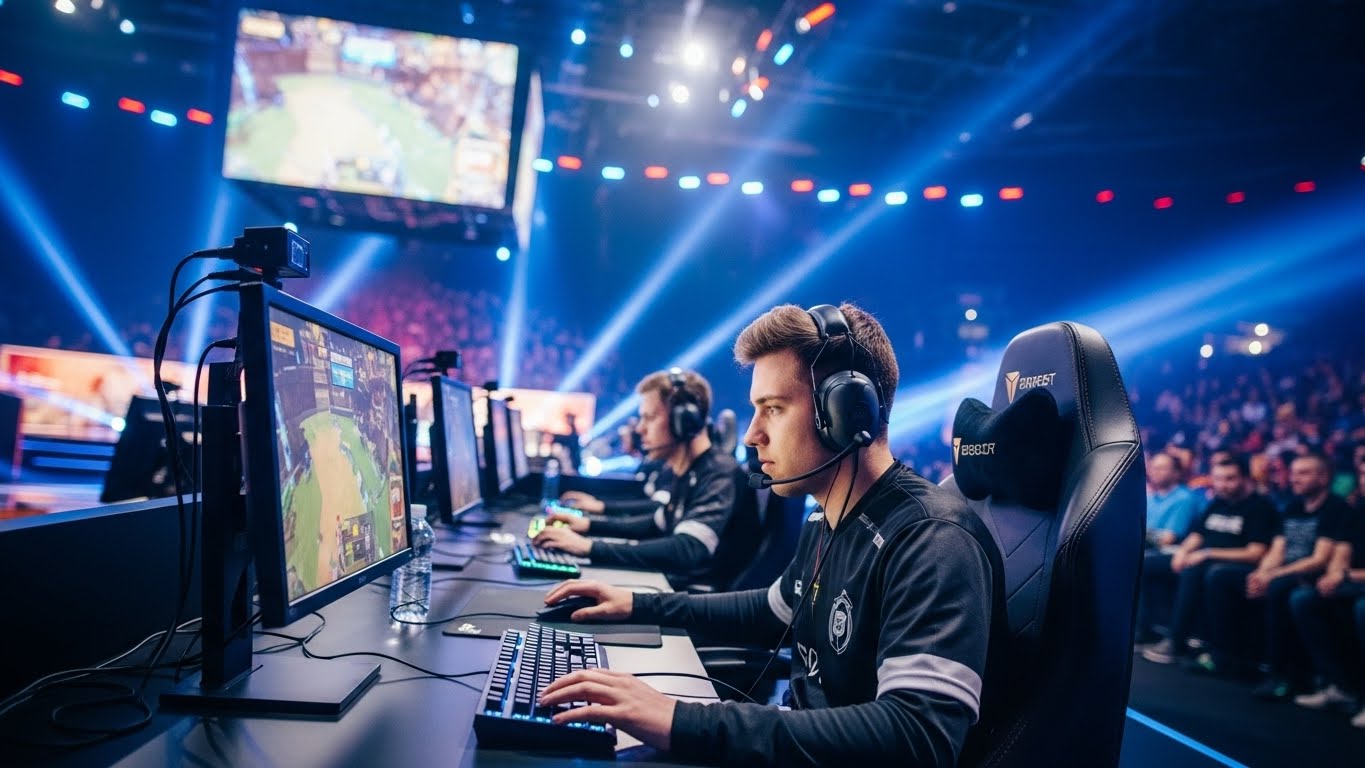
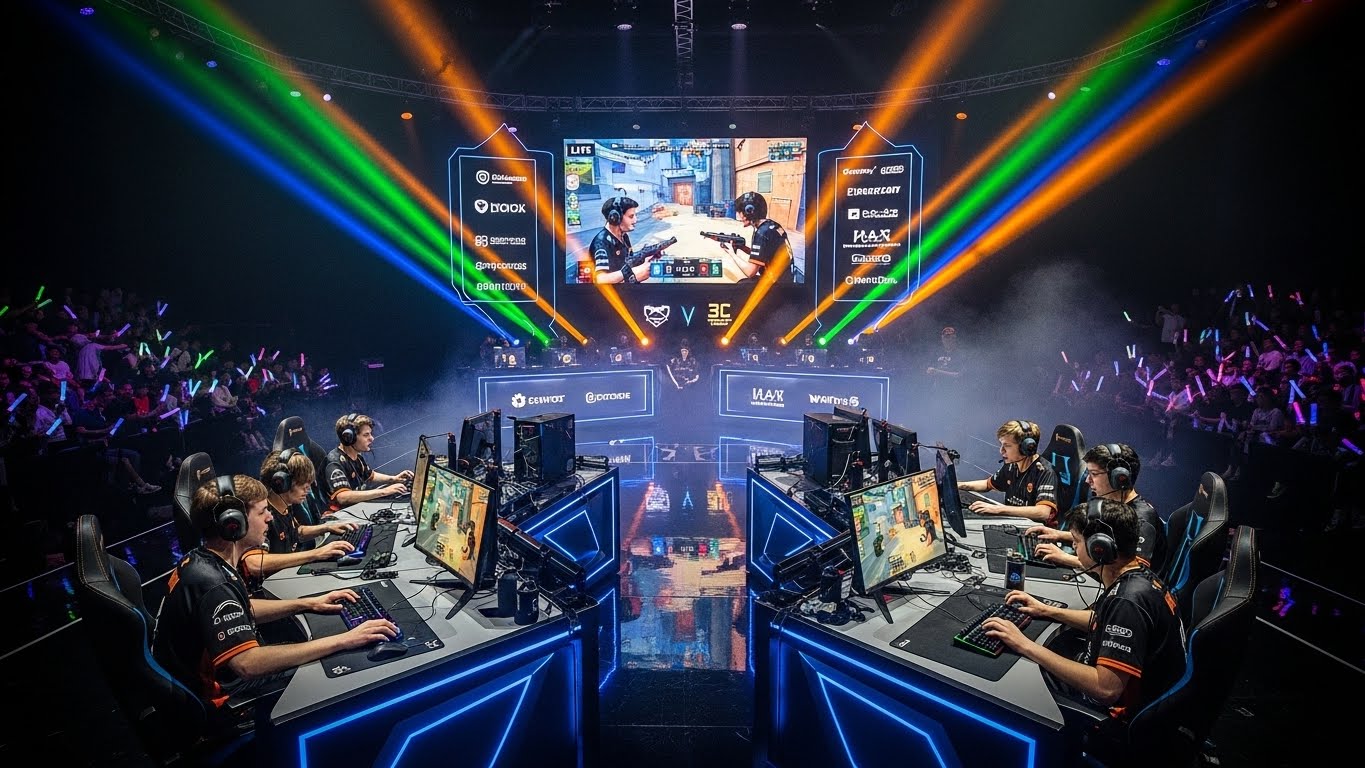
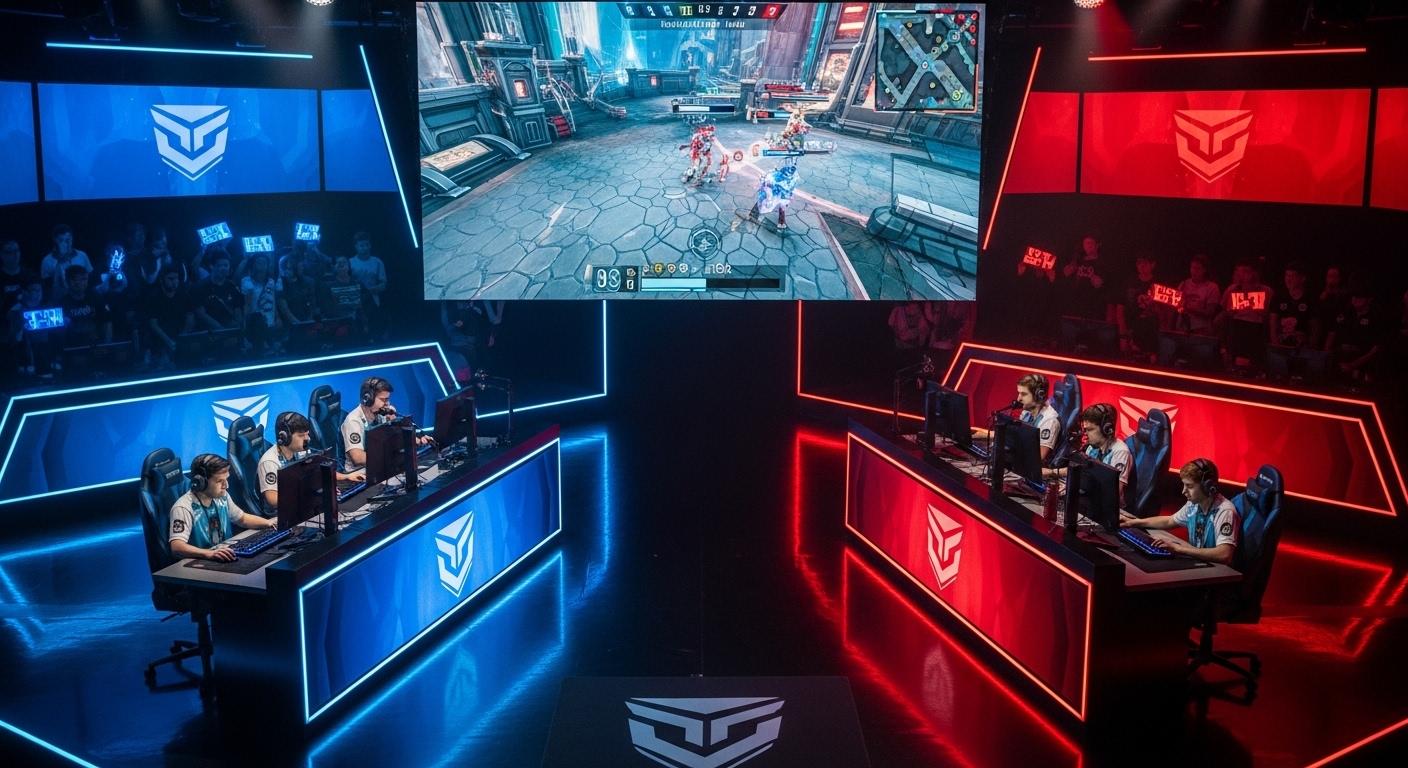
Over the past two decades, esports has undergone rapid professionalization. Modern tournaments attract audiences comparable to traditional sporting events, and professional players have become household names. Game publishers, sponsors, and streaming platforms have invested heavily in creating leagues, prize pools, and tournaments that rival mainstream sports in both scale and excitement. International competitions, like the League of Legends World Championship and The International Dota 2 Championships, draw millions of viewers and offer multi-million-dollar prize pools, reflecting the enormous growth and legitimacy of the industry.
The Role of Professional Players
Professional esports players are no longer casual gamers; they are elite athletes with rigorous training schedules, strategies, and mental preparation. Many players dedicate hours daily to practicing mechanics, studying opponents, and improving team coordination. Esports demands quick reflexes, tactical thinking, communication skills, and resilience under pressure. Similar to traditional sports, players are supported by coaches, analysts, nutritionists, and mental health professionals to optimize performance and longevity. This professional structure has helped elevate esports to the same level of respect and recognition as conventional athletic competitions.
Streaming and the Spectator Experience
One of the defining aspects of esports is its digital-native spectator culture. Platforms such as Twitch and YouTube Gaming allow millions of fans to watch live tournaments, follow favorite teams, and interact in real-time through chat and community features. The interactivity of these platforms enhances engagement, giving viewers the feeling of being part of the action. Spectators can analyze strategies, celebrate plays, and even learn to improve their own gameplay, creating a participatory experience that is unique to esports. Streaming has also made esports accessible to a global audience, breaking geographical barriers and fostering an international fanbase.
The Business Behind Esports
Esports is a multi-billion-dollar industry driven by game publishers, advertisers, and sponsors. Major tournaments are backed by corporate sponsorships, merchandising, broadcasting deals, and media rights, creating a complex economic ecosystem. Teams function like professional sports franchises, with player contracts, salaries, and dedicated management. Brands recognize the value of esports for reaching younger, tech-savvy audiences and invest heavily in partnerships, endorsements, and marketing campaigns. The financial infrastructure behind esports ensures its sustainability and continued growth as a professional industry.
Esports and Education: A New Avenue for Skills Development
Esports has extended beyond entertainment and professional competition into education. Many universities and colleges now offer scholarships for esports players, create esports programs, and host collegiate tournaments. Participation in esports develops a range of skills including teamwork, critical thinking, strategic planning, and communication. Educational institutions are increasingly recognizing the value of esports in preparing students for careers in technology, media, management, and content creation. This formalized approach helps legitimize esports and ensures that players can translate their skills into professional opportunities both inside and outside gaming.
The Psychological and Social Impact of Esports
Esports offers a strong social and psychological dimension. Players often form tight-knit communities, collaborate on strategies, and build long-term friendships. Competition fosters a sense of achievement, while tournaments provide opportunities to showcase talent and gain recognition. However, esports also presents challenges, such as managing stress, avoiding burnout, and maintaining physical health in a sedentary activity. Responsible participation, balanced schedules, and mental health support are essential for sustainable engagement in esports. The social and cognitive benefits, when managed properly, make esports a powerful tool for personal development.
Diversity and Inclusion in Esports
Esports is increasingly becoming a platform for diversity and inclusion. The industry is actively working to ensure that players from different genders, ethnicities, and backgrounds have equal opportunities to compete and succeed. Initiatives promoting representation and inclusivity in teams, tournaments, and content creation are expanding the reach of esports. By embracing diverse voices, esports not only reflects the global nature of gaming culture but also strengthens its community by fostering mutual respect, understanding, and collaboration.
Technological Advancements Driving Esports
Technology is at the core of esports’ growth. High-speed internet, advanced gaming hardware, and sophisticated software enable seamless gameplay, live streaming, and real-time analytics. Innovations like virtual reality and augmented reality are beginning to influence competitive gaming, offering new immersive experiences for players and viewers. Data analytics is used to study player performance, improve strategies, and enhance spectator understanding. The integration of cutting-edge technology ensures that esports remains a dynamic and forward-looking industry.
Esports as a Cultural Phenomenon
Beyond competition, esports has become a significant cultural force. It influences fashion, music, language, and lifestyle choices. Cosplay, fan art, and themed events celebrate gaming culture and bring communities together. Esports celebrities inspire millions through their gameplay, personality, and social media presence. The culture surrounding esports is unique in that it merges entertainment, technology, and sport, creating a vibrant, participatory, and global community that transcends traditional boundaries.
Challenges Facing the Esports Industry
Despite its growth, esports faces challenges that require careful attention. Issues like cheating, doping, burnout, and unethical management practices can undermine its credibility. The reliance on sponsorships and fluctuating game popularity introduces financial risks. Regulatory frameworks are still developing, with questions about player rights, tournament standards, and global governance. Addressing these challenges is essential to maintain esports’ legitimacy, protect players, and ensure long-term sustainability.
The Future of Esports: Beyond the Screen
The future of esports promises continued innovation and expansion. Integration with emerging technologies like virtual reality, artificial intelligence, and cloud gaming will redefine competition and viewership. Esports may become part of mainstream sports events, with even greater recognition and accessibility. Educational pathways, international leagues, and corporate partnerships will continue to grow, offering new opportunities for players, creators, and fans. As esports continues to evolve, it will shape how people compete, connect, and experience entertainment in a digital-first world.
Conclusion: Esports as a Defining Force of the Digital Era
Esports has evolved from humble beginnings into a global, multi-faceted industry that redefines competition, entertainment, and culture. It blends athleticism, strategy, and technology to create experiences that engage millions of players and spectators worldwide. With professional opportunities, educational integration, and technological innovation, esports continues to grow as a legitimate and influential field. More than a game, it is a cultural phenomenon that reflects the potential of the digital age, inspiring future generations to play, compete, and connect in ways that were once unimaginable.