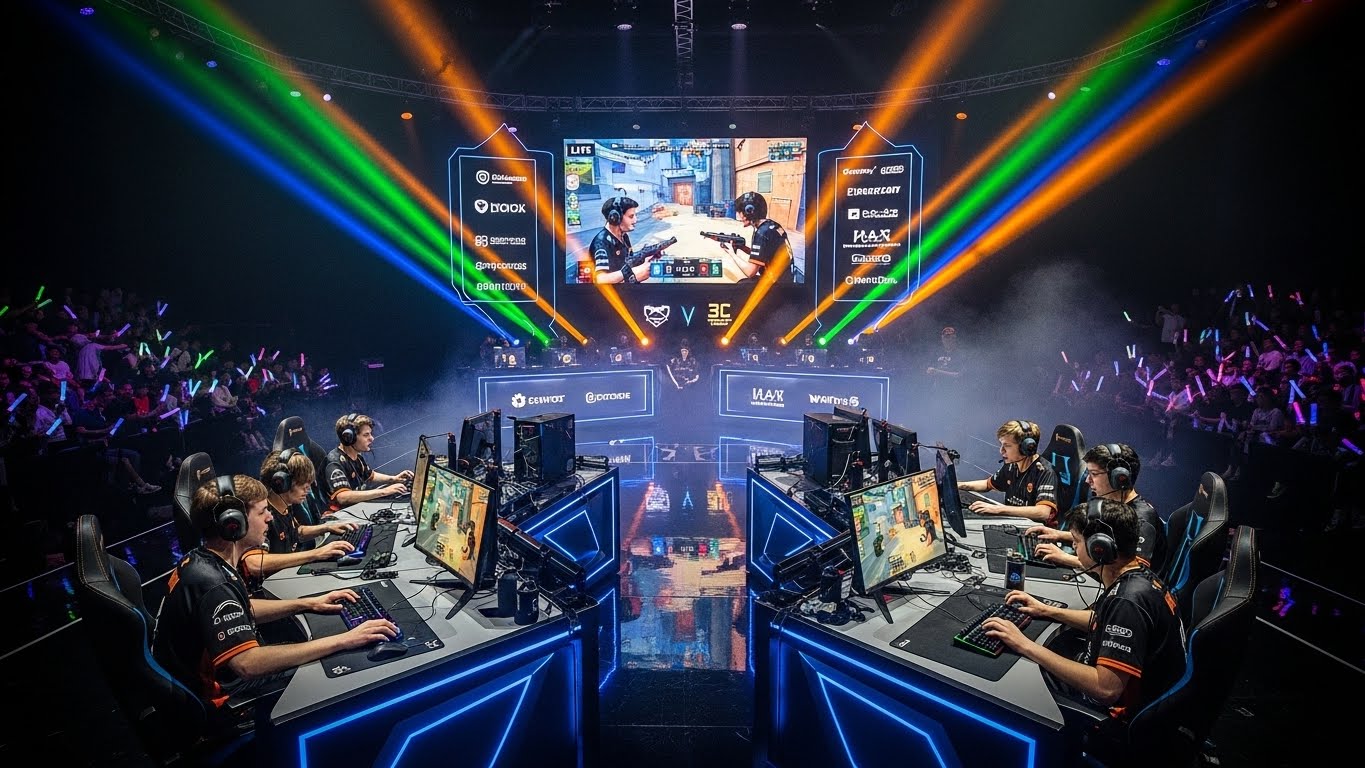
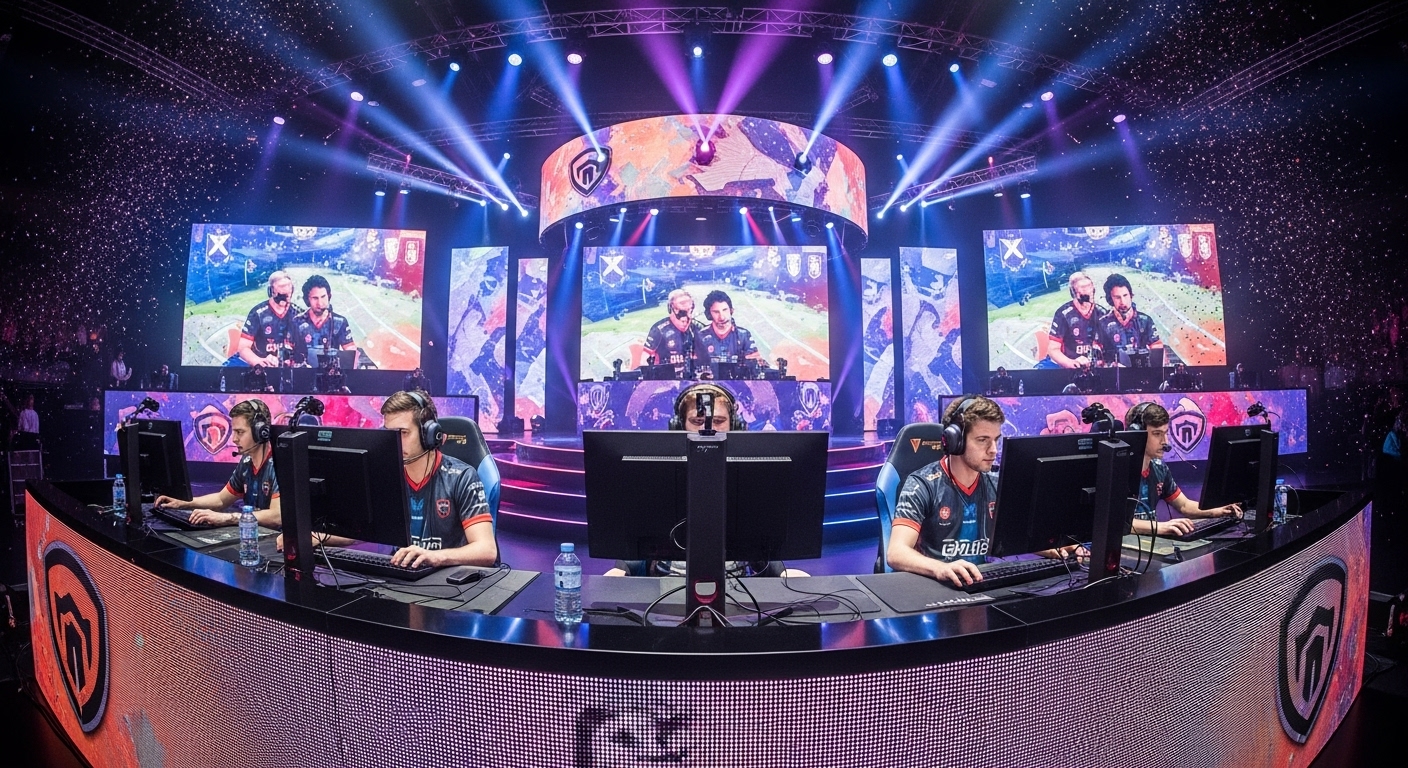
The world of gaming has evolved in ways that were once hard to imagine. What was once considered a niche hobby has now grown into a global phenomenon. At the forefront of this evolution is the rise of esports, an industry that has transformed from a pastime for a select few into a multi-billion-dollar global enterprise. In this blog post, we will dive into the world of esports, exploring its history, growth, and the factors that have propelled it to its current status as one of the most popular forms of entertainment in the world.
What is Esports?
Esports, short for electronic sports, refers to organized, multiplayer video game competitions, particularly between professional players, individually or as teams. The concept of esports is simple: it’s competitive gaming played at the highest level. Unlike casual gaming, where individuals play for fun or personal enjoyment, esports involves a level of skill and strategy where players or teams compete for titles, fame, and significant prize money.
Esports covers a wide range of video game genres, including first-person shooters (FPS), multiplayer online battle arena (MOBA) games, real-time strategy (RTS), and even sports simulations. Titles like League of Legends, Counter-Strike: Global Offensive, Dota 2, and Overwatch have become household names, with global tournaments and events attracting millions of viewers.
The History of Esports: From Humble Beginnings to Global Dominance
The origins of esports can be traced back to the early 1990s, when multiplayer gaming began to take hold. The first significant esports event took place in 1997, when the Red Annihilation tournament for Quake attracted thousands of competitors and culminated in a championship final that was broadcast on TV. However, esports remained a niche activity, confined mainly to arcade gaming and LAN (local area network) parties.
The real breakthrough for esports came in the early 2000s, when games like StarCraft in South Korea began to gain a massive following. South Korea, in particular, played a pivotal role in the rise of esports, with the country’s government and tech companies backing professional gaming leagues and tournaments. The StarCraft World Championship Series and the League of Legends World Championship soon became major annual events, and esports grew from a niche hobby to a professional pursuit.
As technology advanced, so did esports. Streaming platforms like Twitch, which launched in 2011, played a key role in bringing esports to a global audience, allowing fans to watch live tournaments and matches from the comfort of their homes. Today, the esports ecosystem includes professional teams, tournaments, sponsorships, media coverage, and massive audiences, creating a thriving global community.
The Esports Industry: A Multi-Billion Dollar Business
Esports is now a multi-billion-dollar industry, and its growth shows no signs of slowing down. In 2021, the global esports market was estimated to be worth around $1.08 billion, with projections to surpass $1.6 billion by 2024. This meteoric rise is fueled by a combination of factors, including increasing viewership, sponsorships from major brands, and the proliferation of online streaming platforms.
Viewership and Streaming
One of the key drivers of esports’ success is its massive audience. Esports is watched by millions of people around the world, with some tournaments attracting more viewers than traditional sports events. For example, the League of Legends World Championship Finals in 2020 had over 45 million viewers, rivaling the Super Bowl in terms of audience size. Esports tournaments are streamed live on platforms like Twitch, YouTube Gaming, and Facebook Gaming, allowing fans to tune in from anywhere in the world.
Streaming platforms have also allowed esports to grow in popularity. Twitch, in particular, has become the go-to platform for live gaming content, with millions of viewers watching competitive gaming streams every day. In addition to watching tournaments, fans can interact with their favorite players, streamers, and teams, creating a dynamic and engaging community around esports.
Sponsorships and Media Deals
With the increasing popularity of esports, major brands and companies have started to invest heavily in the industry. Sponsorships from global brands like Coca-Cola, Red Bull, Intel, and Nike have become commonplace in esports events, where companies see a valuable opportunity to reach a tech-savvy, engaged audience. These partnerships provide financial support for tournaments, teams, and players, helping to sustain the industry’s growth.
Media companies have also recognized the potential of esports, with traditional broadcasters and streaming services securing broadcasting rights for major tournaments. In 2016, ESL One reached an agreement with TBS (Turner Broadcasting System) to air esports content on television, marking a major milestone in the mainstream recognition of esports. Additionally, platforms like ESPN and the BBC have covered major esports events, signaling that competitive gaming is now being taken seriously as a form of entertainment.
Prize Pools and Earnings
Esports tournaments are known for their impressive prize pools, with some events offering millions of dollars in winnings. Dota 2’s The International, for example, holds the record for the largest esports prize pool in history, exceeding $40 million in 2021. Prize money has become one of the primary incentives for players to compete at the highest level, and top esports athletes can make substantial earnings through tournament victories, sponsorships, and streaming.
While prize money varies depending on the game and tournament, the financial rewards for successful esports players are substantial. High-performing players in popular games like Fortnite, Counter-Strike, and League of Legends can earn hundreds of thousands or even millions of dollars in a single year, making esports a legitimate career for many.
Popular Esports Titles: The Games That Define the Industry
There are many games that have become synonymous with esports, each offering a unique competitive experience. Below are some of the most popular esports titles that have helped shape the industry:
1. League of Legends (LoL)
Released by Riot Games in 2009, League of Legends is arguably the most popular and influential esports title in the world. The game is a multiplayer online battle arena (MOBA) where two teams of five players compete to destroy the enemy’s Nexus, the core building located in their base. LoL has become a global phenomenon, with regional leagues and international tournaments, such as the League of Legends World Championship, attracting millions of viewers.
*2. Dota 2
Another popular MOBA game, Dota 2, developed by Valve, is known for its depth and complexity. The game features two teams of five players who battle it out to destroy the opposing team’s Ancient. Dota 2 is famous for its massive prize pools, with The International tournament consistently offering the largest competitive gaming prize in the world.
3. Counter-Strike: Global Offensive (CS:GO)
Counter-Strike: Global Offensive is one of the most well-established esports games, having been around since 2012. The game is a first-person shooter (FPS) that pits two teams—terrorists and counter-terrorists—against each other in a series of rounds. CS:GO is widely recognized for its tactical gameplay and precise shooting mechanics. It boasts a vibrant competitive scene, with tournaments like ESL Pro League and DreamHack Masters drawing huge audiences.
4. Overwatch
Overwatch is a team-based first-person shooter developed by Blizzard Entertainment. With its colorful cast of heroes and strategic team play, Overwatch has found a strong foothold in the esports scene. The Overwatch League, a global professional league that started in 2018, has attracted significant attention, with city-based teams and regular seasons featuring intense competition.
5. Fortnite
While not traditionally classified as an esports title, Fortnite has revolutionized competitive gaming with its battle royale mode. The game’s crossover with mainstream culture, frequent in-game events, and large prize pools have made it a major player in the esports space. Fortnite’s World Cup, for example, offered a $30 million prize pool in 2019, further solidifying its place in competitive gaming.
Esports Careers: Opportunities Beyond the Game
Esports offers many career opportunities beyond professional gaming. As the industry grows, so does the demand for support roles, including commentators, analysts, coaches, and event organizers. Broadcast production, marketing, and content creation also play vital roles in the esports ecosystem. Whether you’re interested in team management, content creation, or broadcasting, esports offers diverse career paths for those passionate about gaming.
Moreover, with the rise of esports, many universities and colleges now offer scholarships for competitive gaming, allowing players to pursue education while developing their skills as professional gamers. Esports is no longer just about playing games—it’s about building an entire career around gaming culture.
The Future of Esports: What’s Next?
Esports is still in its adolescence, and its future looks incredibly bright. As technology continues to evolve, so will esports. Virtual reality (VR) and augmented reality (AR) have the potential to revolutionize how esports are played and viewed. Innovations in broadcasting technology, such as 360-degree cameras and immersive viewer experiences, will further enhance the spectator experience.
Esports is also likely to continue its expansion into mainstream media, with more television networks and streaming services getting involved. As more games enter the competitive space, esports will likely see a greater diversity of titles, further broadening its appeal.
Conclusion: Esports is Here to Stay
Esports has come a long way since its humble beginnings. Today, it is a global industry that spans continents, connects players and fans, and offers career opportunities for those passionate about gaming. Whether you’re a player, fan