
Introduction: The Rise of a Global Phenomenon
Over the past two decades, esports has transformed from a niche activity into one of the most influential and rapidly growing sectors in global entertainment. What once was merely a hobby for a select group of passionate gamers has blossomed into a multi-billion dollar industry. Esports competitions now fill arenas, attract millions of online viewers, and offer professional players lucrative salaries, sponsorship deals, and global recognition. But what exactly is driving this growth? And why has esports emerged as one of the most engaging forms of competition worldwide?
In this blog post, we will explore how esports grew from humble beginnings to its current status as a global entertainment force. We will delve into the technology, culture, and business strategies that have helped esports thrive, and examine how this new form of competition is redefining the traditional sports industry. So, let’s dive into the exciting world of esports.
The Origins of Esports: From Arcade Games to Global Tournaments
Esports didn’t appear overnight; rather, it evolved slowly over time. In the 1970s and 1980s, competitive gaming was mostly confined to arcades where players competed for high scores in games like Pong and Space Invaders. But it wasn’t until the late 1990s and early 2000s that organized gaming competitions began to take shape. Titles like StarCraft, Quake, and Warcraft III helped lay the foundation for the modern esports ecosystem.
The real turning point for esports came with the advent of online multiplayer gaming. The ability to connect players from different regions created a new world of possibilities for competitive gaming. The early 2000s saw the first major online tournaments, and organizations like Major League Gaming (MLG) helped establish a more structured and professional approach to esports competitions.
By the mid-2010s, large-scale tournaments for games like League of Legends, Dota 2, and Counter-Strike: Global Offensive began to attract thousands of spectators both in person and online. These events were broadcast on streaming platforms like Twitch, which played a pivotal role in making esports accessible to a global audience.
The Mechanics of Esports: What Makes It So Unique?
At the heart of esports lies a unique blend of skill, strategy, and digital craftsmanship. Unlike traditional sports that require physical prowess, esports players are tested on their cognitive abilities, reflexes, and strategic thinking. This means that success in esports doesn’t depend on physical strength but on sharp mental acuity, quick decision-making, and the ability to collaborate in a team setting.
Esports encompasses a wide variety of game genres, each with its own set of rules and competitive formats. These include:
- Multiplayer Online Battle Arenas (MOBAs): Games like League of Legends and Dota 2 require players to work together to destroy the enemy’s base, using a combination of strategy, skill, and communication.
- First-Person Shooters (FPS): Titles like Counter-Strike: Global Offensive and Valorant are team-based games that require precision aiming, reflexes, and teamwork.
- Battle Royale Games: Fortnite and PUBG have popularized this genre, where players fight until only one remains, requiring a mix of strategy, quick thinking, and adaptability.
- Sports Simulators: Games like FIFA and NBA 2K bring traditional sports to the virtual world, allowing players to compete in digital versions of soccer, basketball, and more.
What sets esports apart from traditional sports is the fact that it can be played by anyone with a computer or console, allowing a far wider range of people to participate. The barrier to entry is low, and the global nature of the games means that players from different countries and backgrounds can compete against each other, creating an inclusive and diverse community.
The Role of Technology in Esports
The growth of esports has been inextricably linked to technological advances. As gaming hardware became more advanced, the quality of games improved, allowing for more complex and competitive experiences. High-performance gaming PCs, fast internet connections, and cutting-edge software have made it possible for players to compete at the highest level without lag or technical failures.
Streaming platforms like Twitch and YouTube Gaming have also played a crucial role in the rise of esports. These platforms allow viewers to watch live streams of tournaments, engage with content creators, and follow their favorite players and teams. In fact, many esports fans now watch these streams just as they would watch traditional sports on television.
Moreover, virtual reality (VR) and augmented reality (AR) technologies are beginning to have a significant impact on the esports landscape. These technologies have the potential to redefine how games are played and experienced, providing even more immersive and interactive gaming experiences.
Esports Tournaments: The Spectacle of Competitive Gaming
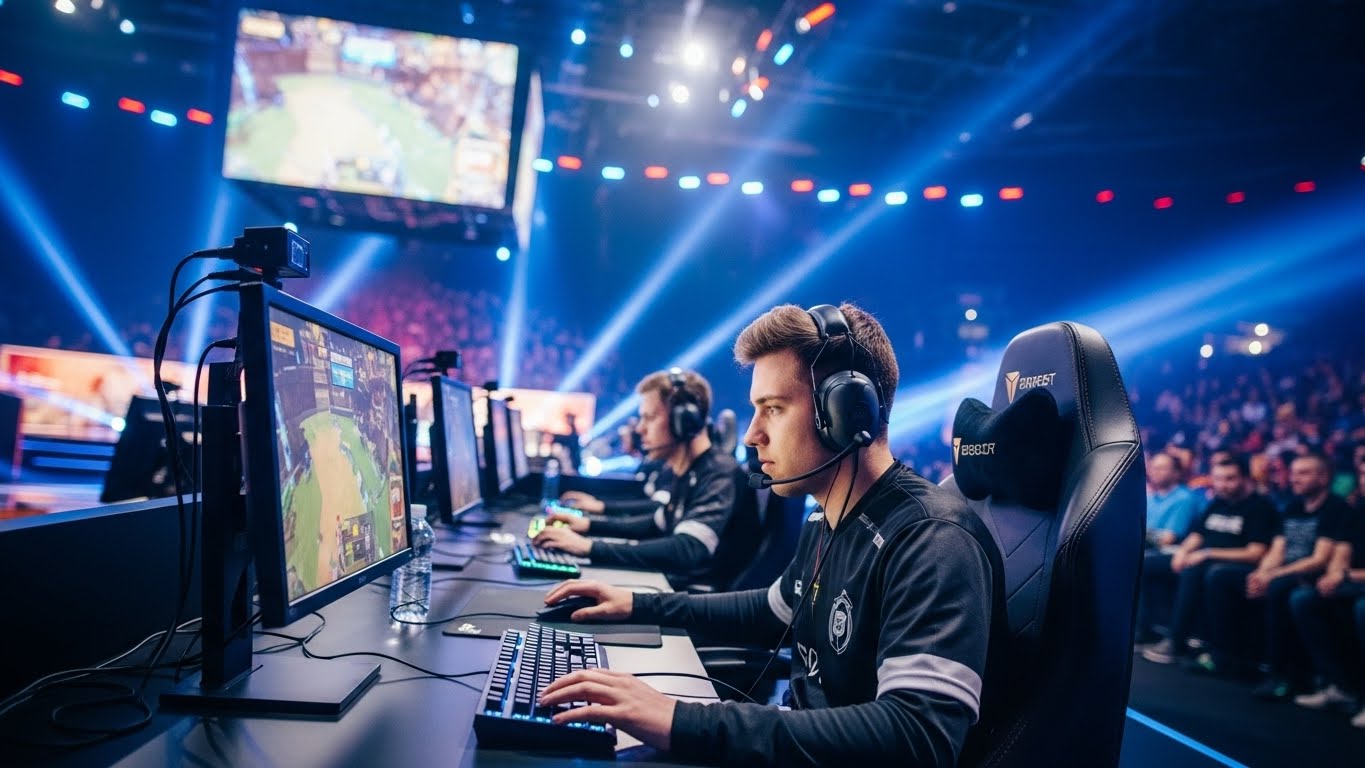
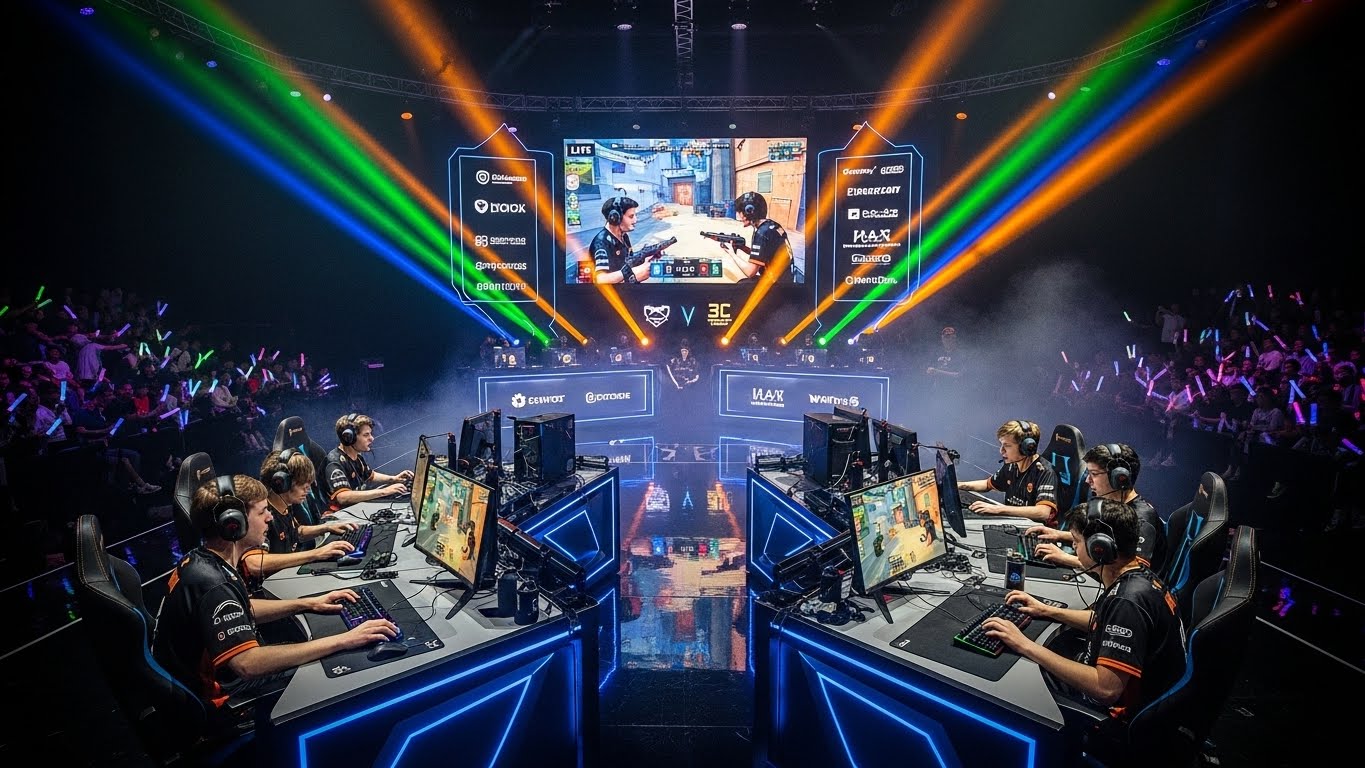
Esports tournaments are the centerpiece of the competitive gaming ecosystem. Major events like The International (Dota 2), League of Legends World Championship, and CS:GO Major Championships draw in millions of viewers both online and in person. These tournaments often take place in large arenas, with stadiums packed with fans who cheer on their favorite teams, similar to traditional sports.
What makes esports tournaments so exciting is the unpredictable nature of the competition. Teams and players train for months, preparing for high-stakes matches where one mistake can cost them the entire game. The intensity of these moments, combined with the emotional investment of fans, creates an electric atmosphere that rivals any live sports event.
In addition to the high-stakes competition, esports tournaments also feature elaborate opening ceremonies, sponsorship activations, and entertainment, further blurring the lines between gaming and mainstream sports entertainment. Esports is no longer just about the games themselves; it’s about the entire experience, from the broadcast to the fan engagement.
The Esports Industry: A Billion-Dollar Ecosystem
Esports has evolved into a billion-dollar industry, fueled by sponsorship deals, media rights, merchandise sales, and prize money. Major brands like Coca-Cola, Intel, and Mercedes-Benz sponsor tournaments, while streaming platforms like Twitch and YouTube pay millions to secure broadcasting rights. Esports teams and organizations also generate significant revenue through advertising, ticket sales, and merchandise.
Sponsorships and partnerships are a major source of income for esports players and teams. Just like traditional athletes, professional gamers sign deals with companies that want to advertise their products to the esports audience. These deals can be extremely lucrative, with top-tier players earning millions of dollars per year from sponsorships and tournament prizes alone.
In addition to player salaries, esports organizations also make money through media rights. Broadcasting deals with platforms like Twitch and YouTube, along with traditional television networks, allow esports tournaments to reach a wider audience. As esports continues to grow, we can expect to see even more partnerships and sponsorships that will help further fuel the industry’s expansion.
The Growth of Esports Communities
A key factor in the success of esports is the passionate and dedicated communities that surround the games. Fans of esports engage with their favorite teams, players, and games in ways that go beyond just watching matches. Social media platforms like Twitter, Reddit, and Discord provide spaces for fans to interact, share content, and discuss strategies. Online forums and fan clubs offer a sense of belonging for people who share a common interest in gaming.
These communities play a vital role in shaping the esports landscape. They help promote upcoming tournaments, support teams, and create a sense of camaraderie among players and fans. The loyalty and enthusiasm of esports fans are unparalleled, and this has been a driving force behind the industry’s rapid rise.
Esports as a Career: Opportunities Beyond Playing
While many think of esports purely as a competitive endeavor, the industry has also opened up a wide range of career opportunities. Professional players can become famous and earn lucrative contracts, but there are also roles in team management, coaching, analysis, broadcasting, and content creation. Esports organizations often employ coaches, analysts, video editors, and community managers to support their players and build their brands.
As the industry continues to expand, esports offers diverse career paths for individuals interested in gaming, media, marketing, and technology. Universities are now offering esports scholarships and specialized programs to train the next generation of professionals in this field.
The Future of Esports: What’s Next?
The future of esports looks bright, with more investment pouring into the industry, more games being developed with competitive play in mind, and more fans tuning in to watch. As esports becomes even more mainstream, we can expect to see increased integration with traditional sports, more professional leagues, and a greater focus on inclusivity and diversity within the community.
Esports is also likely to continue evolving with advancements in technology. Virtual reality, augmented reality, and artificial intelligence could change the way games are played, watched, and experienced. The rise of 5G technology will also provide faster internet speeds, enabling seamless gaming experiences and live streams.
Conclusion: A New Age of Competitive Entertainment
Esports has firmly established itself as a major force in the entertainment industry. It has brought together millions of fans from around the world, created new career opportunities, and reshaped the way we think about competition. The unique combination of skill, strategy, and technology makes esports an exciting and dynamic form of entertainment that will continue to captivate audiences for years to come.
As the industry grows, it is clear that esports will continue to challenge the traditional boundaries of sports and entertainment. What began as a hobby for a few passionate gamers has now become a global phenomenon, and we are only scratching the surface of what esports can achieve. The future of esports is here, and it’s more exciting than ever.