Introduction: The Rise of Esports
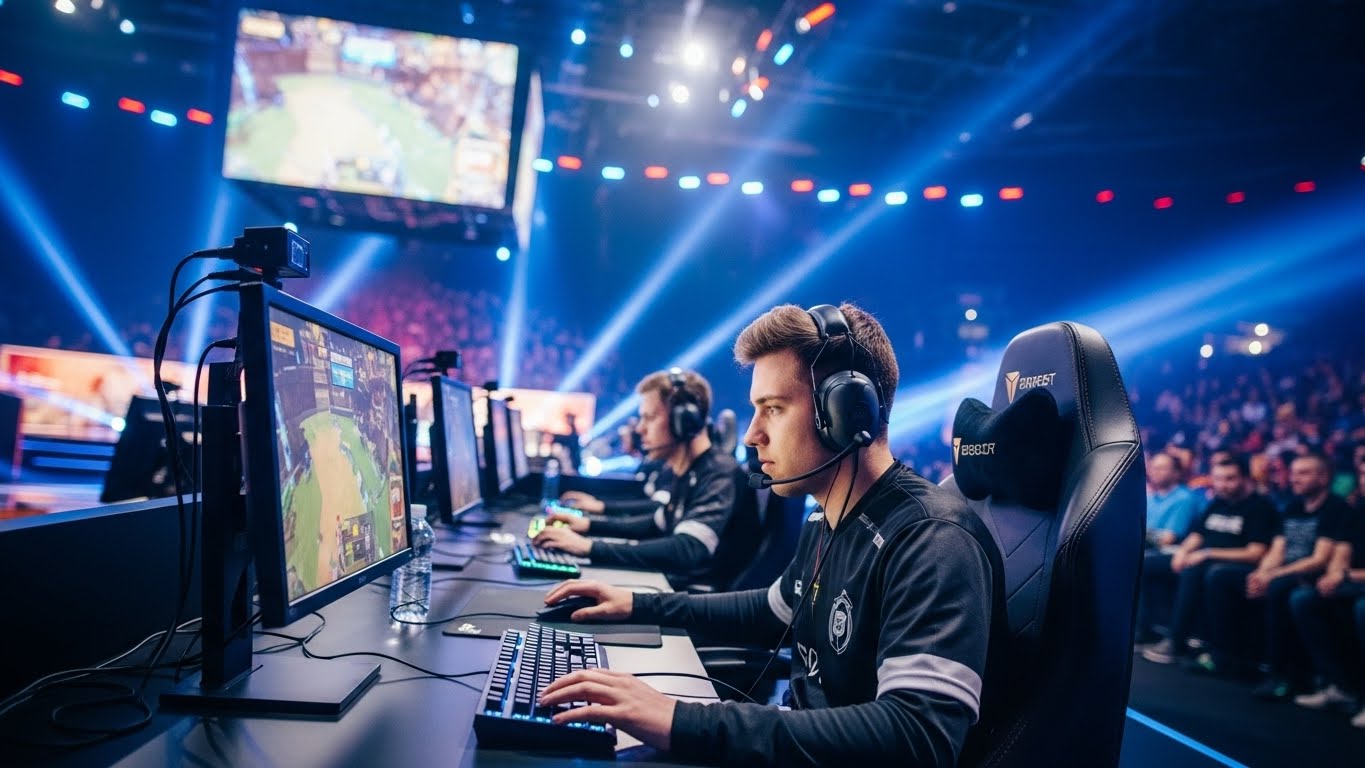
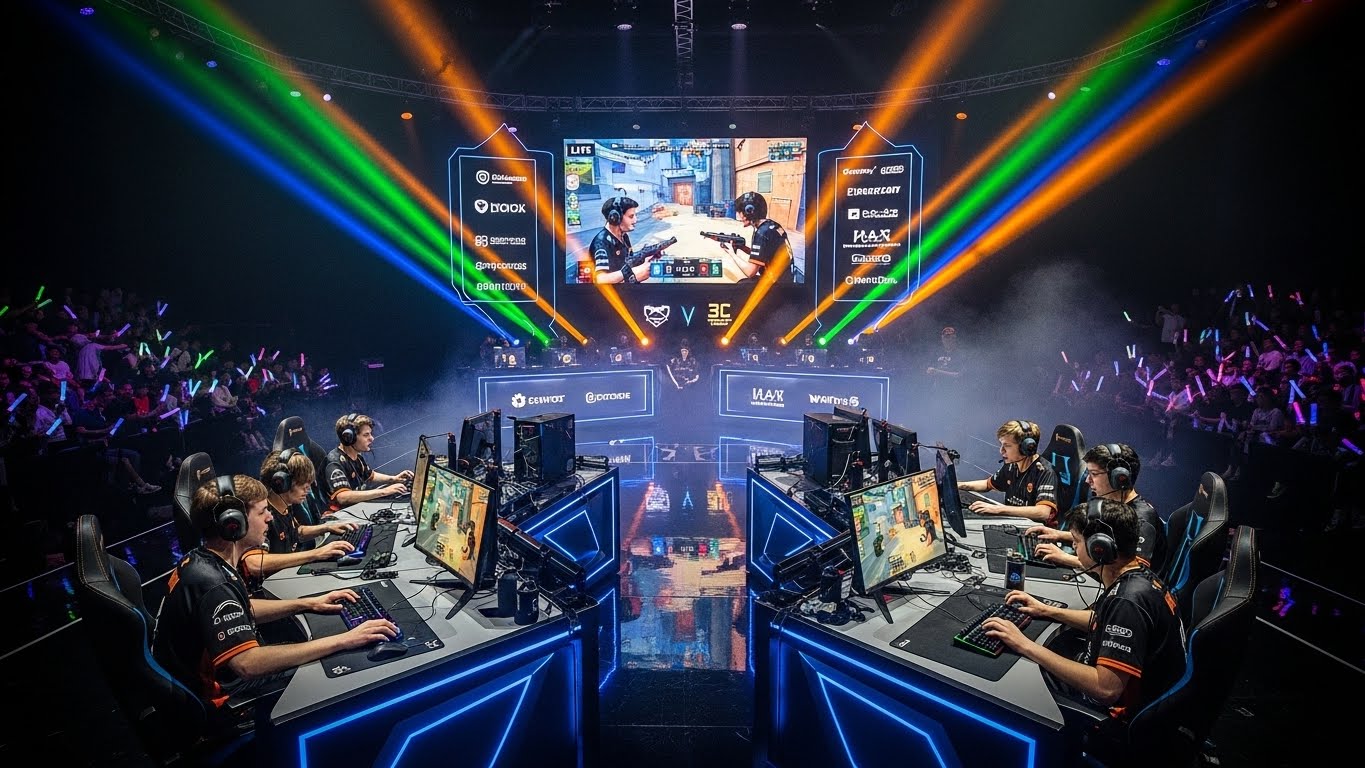
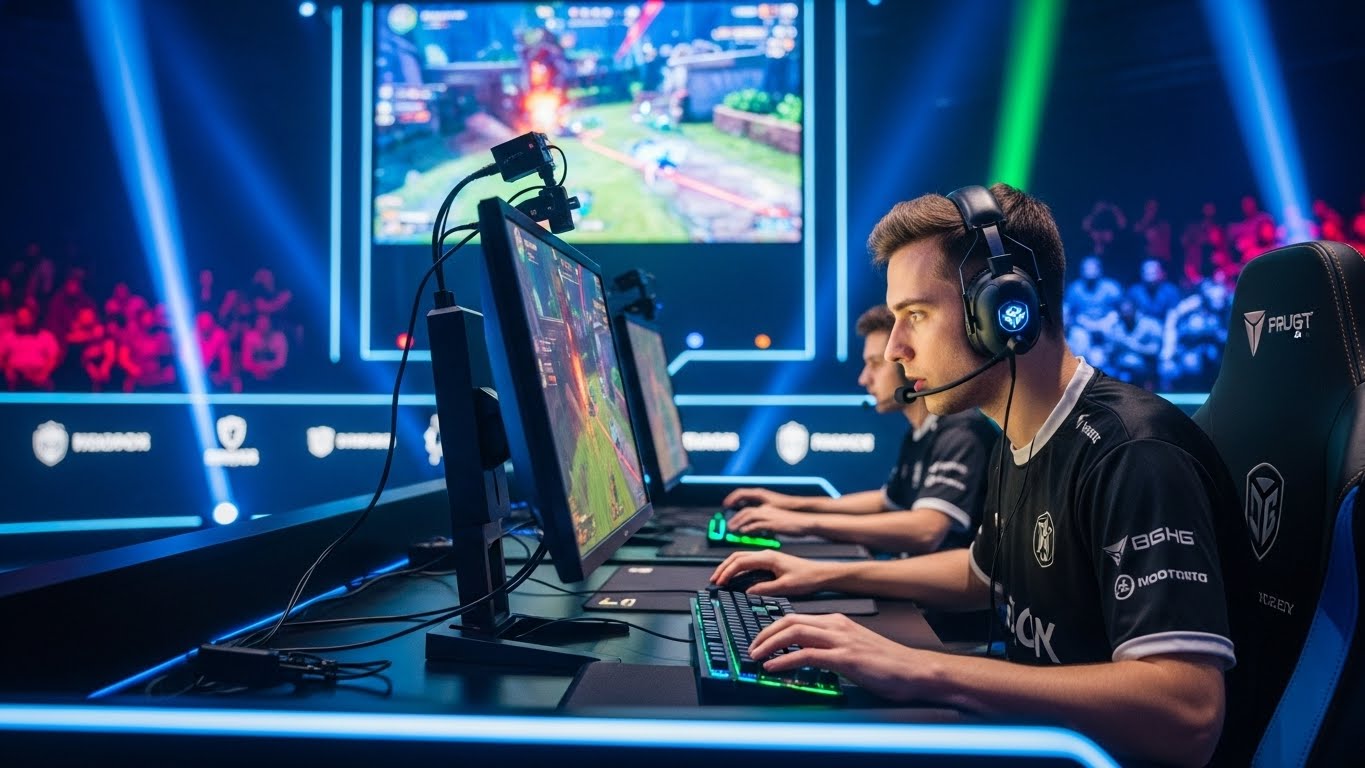
In the past decade, esports has transformed from a niche hobby into a global phenomenon. What once was considered casual gaming is now recognized as a professional sport with millions of spectators, multi-million-dollar tournaments, and elite athletes competing on the world stage. Esports encompasses a variety of video games, from strategy-based titles to fast-paced first-person shooters, each with its own competitive scene and dedicated fan base. Its growth reflects not only technological advancements but also cultural shifts in how people engage with entertainment, competition, and social interaction.
The Evolution of Competitive Gaming
Competitive gaming has existed in various forms since the early days of video games. Arcade competitions in the 1980s, LAN tournaments in the 1990s, and early online leagues paved the way for modern esports. The proliferation of high-speed internet, streaming platforms, and social media has propelled esports into mainstream awareness. Games like League of Legends, Dota 2, Counter-Strike, and Fortnite have become household names, attracting millions of viewers worldwide. The professionalization of esports has led to structured leagues, team organizations, sponsorship deals, and standardized training regimes, creating a career pathway for aspiring players.
Physical and Cognitive Benefits of Esports
While esports may not involve traditional physical activity, it offers significant cognitive and mental benefits. Players develop advanced hand-eye coordination, reflexes, and multitasking abilities. Competitive gaming also enhances strategic thinking, problem-solving skills, and decision-making under pressure. Many esports players engage in rigorous routines that include physical exercise to maintain stamina and mental acuity. Furthermore, esports encourages learning through observation, practice, and adaptation, fostering growth in concentration, memory, and analytical thinking.
Teamwork and Communication in Esports
Team-based esports titles emphasize coordination, communication, and collaboration. Successful teams rely on clear communication, role specialization, and trust between players. These dynamics mirror real-world workplace and social skills, teaching participants how to operate effectively in a group setting. Players also learn to manage conflict, strategize collectively, and provide constructive feedback. Even in solo-based esports, interactions with coaches, analysts, and fans cultivate interpersonal skills, discipline, and leadership qualities.
Mental Health and Stress Management
Competitive esports can be mentally demanding due to high-pressure environments, long practice hours, and public scrutiny. However, with proper support, players can develop resilience, stress management strategies, and emotional intelligence. Mental health initiatives are increasingly incorporated into esports organizations, with coaches, psychologists, and wellness programs assisting players in maintaining balance. Recognizing and addressing burnout, anxiety, and performance pressure is essential for sustainable careers in esports. These lessons in mental fortitude extend beyond gaming, offering valuable tools for personal and professional life.
The Economic Impact of Esports
Esports has become a multi-billion-dollar industry, generating revenue from sponsorships, advertising, merchandise, ticket sales, and broadcasting rights. Professional teams operate like traditional sports franchises, with management, marketing, and financial departments. Tournaments offer substantial prize pools, sometimes reaching millions of dollars for a single event. Streaming platforms provide additional income opportunities for players and influencers, creating an ecosystem that supports careers in gaming, content creation, coaching, and event management. The economic influence of esports also stimulates technology development, gaming peripherals, and local tourism through major tournaments.
Global Reach and Cultural Influence
Esports transcends geographical boundaries, attracting participants and fans from diverse cultural backgrounds. Major tournaments are broadcast worldwide, allowing people to engage across languages and borders. Esports also reflects and influences popular culture, from music and fashion collaborations to online communities and fan-created content. This global reach has encouraged inclusivity and representation, inspiring young gamers and creating role models who resonate with a broad audience. The cultural integration of esports demonstrates its potential to unite people through shared passions, competition, and entertainment.
Technological Advancements Shaping Esports
Technology is the backbone of esports. High-performance hardware, advanced gaming peripherals, and optimized software enhance player performance and viewer experiences. Streaming platforms, live analytics, and virtual reality technologies have revolutionized how audiences consume esports content. Data analysis tools provide insights into gameplay patterns, strategies, and performance improvement. Artificial intelligence and machine learning are increasingly used to enhance training, spectator engagement, and tournament organization. These innovations not only improve competitive fairness but also expand esports’ potential as a sophisticated and immersive digital sport.
Esports and Education
Educational institutions have recognized esports as a valuable tool for skill development and career pathways. Universities now offer esports programs, scholarships, and dedicated arenas, combining gaming with education. Students can develop leadership, teamwork, strategic thinking, and digital literacy while pursuing academic goals. High school esports programs also foster engagement, inclusivity, and technological proficiency among younger participants. Esports in education bridges the gap between gaming and personal growth, demonstrating that competitive gaming can be both intellectually stimulating and socially enriching.
Inclusivity and Diversity in Esports
One of esports’ most significant advantages is its potential for inclusivity. Unlike traditional sports, esports can be accessible to people regardless of physical ability, age, or gender. Adaptive gaming technologies enable players with disabilities to compete on equal footing. Female gamers and underrepresented groups are increasingly making their mark in competitive scenes, challenging stereotypes and advocating for equality. This emphasis on diversity ensures that esports remains a space where talent, skill, and dedication are the primary criteria for success, promoting fairness and empowerment.
The Spectator Experience
Watching esports has become a cultural phenomenon comparable to traditional sports. Fans engage through live streams, commentary, and interactive platforms, creating a sense of community and shared excitement. Tournaments generate immense viewer engagement, with audience participation in real-time strategy discussions, fan art, and social media interactions. The spectator experience extends beyond entertainment, providing educational insights into gameplay mechanics, team strategies, and emerging trends. This interactive aspect of esports strengthens fan loyalty and contributes to the industry’s continued growth.
The Psychological Dynamics of Competition
Esports offers a unique insight into human psychology in competitive environments. Players must manage emotions, maintain focus, and adapt strategies under rapidly changing circumstances. The balance between confidence and humility, aggression and patience, risk and caution is critical for success. Learning to cope with victory and defeat in esports parallels life skills in resilience, emotional regulation, and perseverance. The digital nature of esports also requires players to navigate virtual social dynamics, fostering empathy, ethical behavior, and sportsmanship within online communities.
Future Trends in Esports
The future of esports promises even greater innovation and growth. Emerging technologies like augmented reality, virtual reality, and cloud gaming will redefine gameplay and spectator experiences. Expansion into new genres, regions, and platforms will diversify participation and audiences. Professionalization will continue to increase, with enhanced training facilities, analytics-driven coaching, and comprehensive wellness programs. Esports is not only a competitive activity but a rapidly evolving industry with the potential to redefine entertainment, education, and social interaction in the digital age.
Conclusion: Esports as a New Frontier
Esports represents a paradigm shift in how people perceive competition, entertainment, and personal achievement. It combines skill, strategy, teamwork, and mental agility in a digital format accessible to millions worldwide. Beyond the excitement of tournaments and gameplay, esports fosters cognitive development, social skills, resilience, and career opportunities. It bridges cultures, promotes inclusivity, and drives technological innovation. As esports continues to grow, it redefines the boundaries of competition, creativity, and community engagement. Embracing esports is embracing the future of competitive digital experiences, where dedication, strategy, and passion know no limits.