Introduction
Esports, once considered a niche hobby for a small community of gamers, has exploded into a global phenomenon that rivals traditional sports in popularity, revenue, and cultural influence. Competitive video gaming has transformed into a billion-dollar industry with professional leagues, international tournaments, and dedicated fanbases spanning continents. This blog explores the world of esports, its growth, impact, and what makes it a defining element of modern entertainment.
The Evolution of Esports
Esports has come a long way since its early days. The first competitive video games were simple and often localized events, with players competing in arcades or small gatherings. Titles like Pong and Space Invaders laid the groundwork for competitive gaming, but the true evolution began with the rise of multiplayer online games. Games such as StarCraft, Counter-Strike, and League of Legends introduced a new level of strategy, skill, and community engagement.
As technology advanced, the internet enabled players to compete globally, and streaming platforms allowed fans to watch live matches in real time. Today, esports is a fully-fledged industry with professional teams, coaches, analysts, and tournament organizers, mirroring the structure of traditional sports leagues.
The Professional Esports Ecosystem
At the core of esports’ success is the professional ecosystem. Professional players are now recognized as athletes, dedicating hours of practice daily to hone their skills. Teams are managed with careful attention to performance, branding, and sponsorship deals. Tournaments attract massive audiences, both in-person and online, with prize pools reaching millions of dollars.
Esports also features specialized roles such as coaches, analysts, and content creators who contribute to team strategy and fan engagement. The ecosystem is supported by streaming platforms and media networks that broadcast matches worldwide, creating a continuous cycle of content and interaction that sustains fan interest.
The Role of Streaming in Esports Growth
Streaming platforms have been a catalyst for esports’ explosive growth. Platforms allow players to showcase their skills, share gameplay experiences, and build personal brands. Fans can follow favorite players, watch live matches, and engage with communities through chat and social media.
Streaming has democratized the industry, allowing emerging players to gain recognition without needing traditional sponsorship or team support. It also gives fans unprecedented access to the competitive scene, making esports feel more personal and interactive than many traditional sports.
Esports as a Career Path
Once considered a hobby, esports has emerged as a legitimate career path. Professional gamers can earn salaries, sponsorship deals, tournament winnings, and revenue from streaming or content creation. Coaches, commentators, event managers, and analysts also find opportunities within the industry, reflecting its depth and diversity.
This career potential attracts young talent worldwide, encouraging players to develop skills in strategy, teamwork, communication, and leadership. Esports requires discipline, resilience, and adaptability, qualities similar to those demanded by traditional professional sports.
Major Esports Titles and Their Impact
Different games define the esports landscape, each creating unique communities and competition styles. Multiplayer online battle arenas, first-person shooters, and strategy games dominate the scene. Titles like League of Legends, Dota 2, Counter-Strike: Global Offensive, and Fortnite have millions of active players and fans worldwide.
Each game influences esports culture differently. Some foster intense teamwork and strategic depth, while others emphasize reflexes, quick thinking, and creativity. This diversity allows esports to cater to a wide range of audiences, ensuring continued growth and engagement.
Esports Tournaments: Global Spectacles
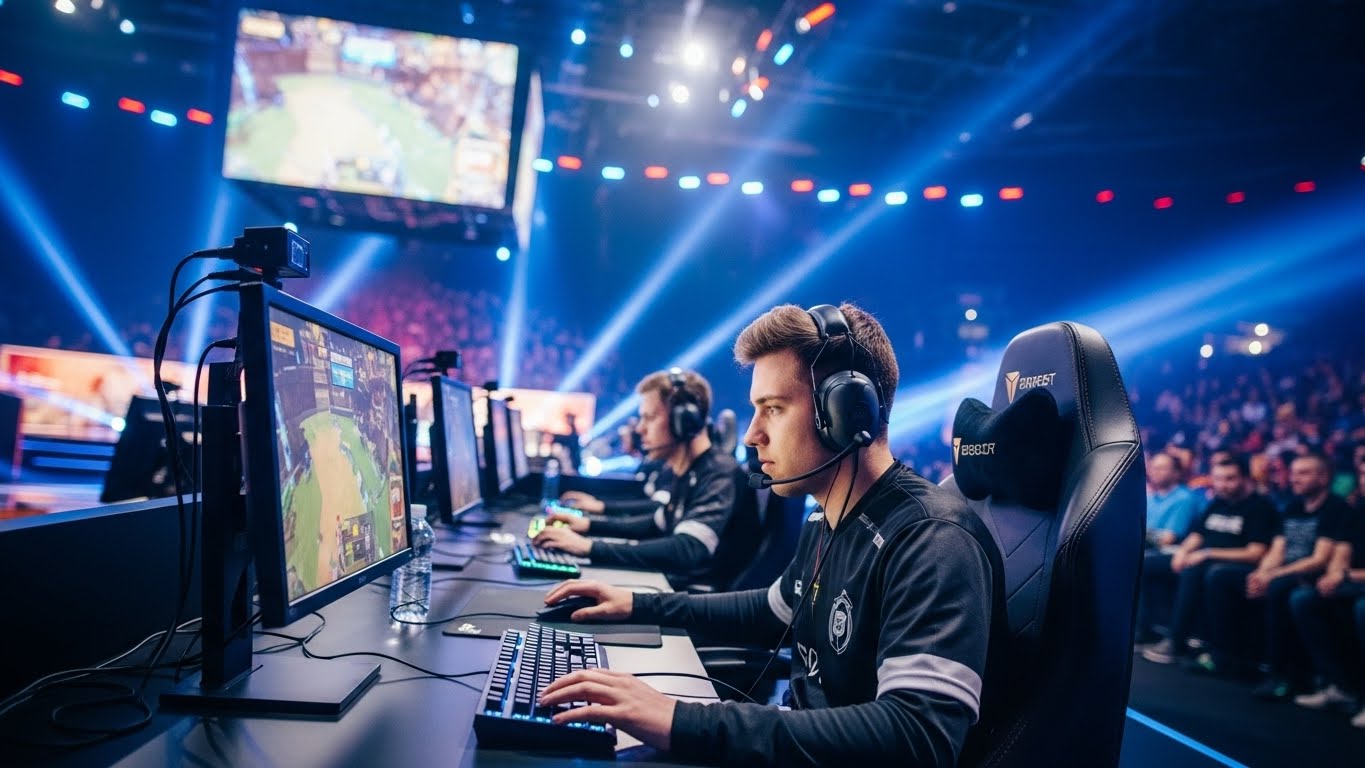
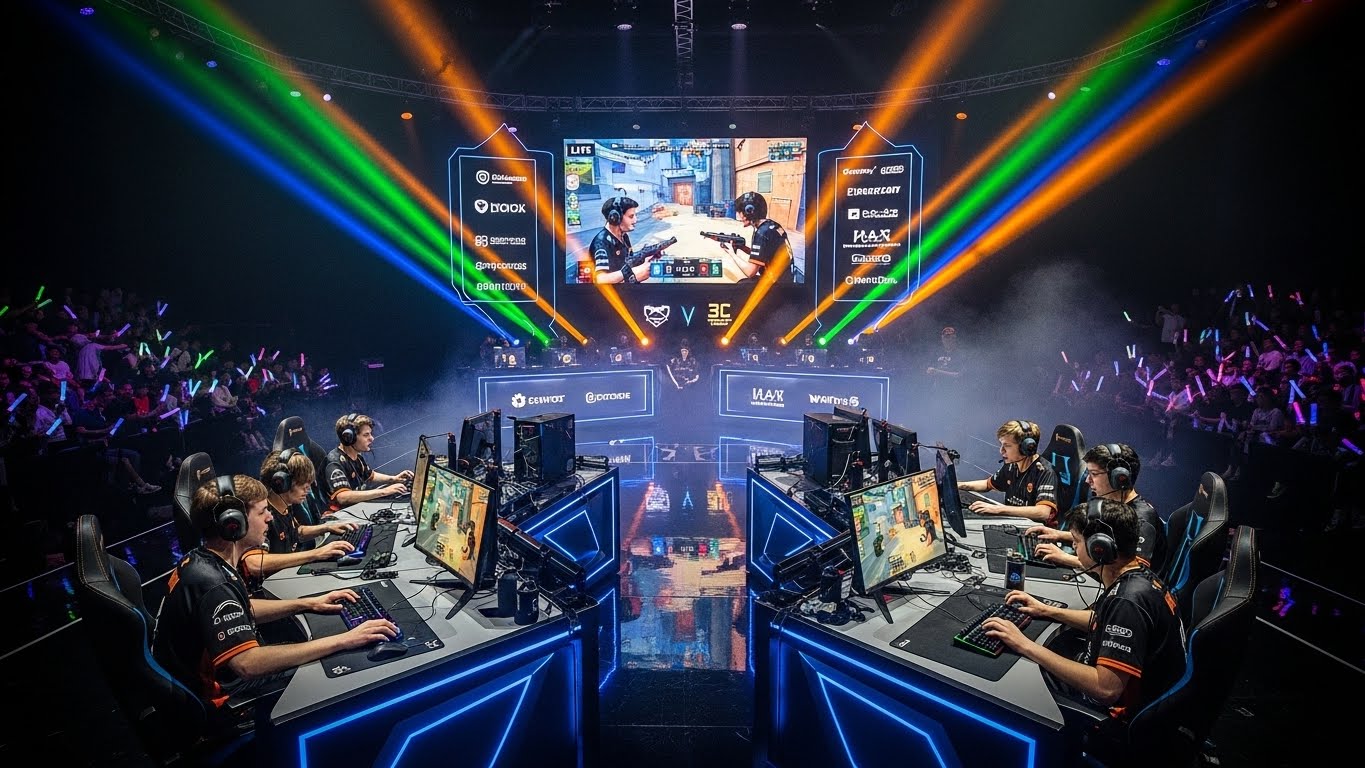
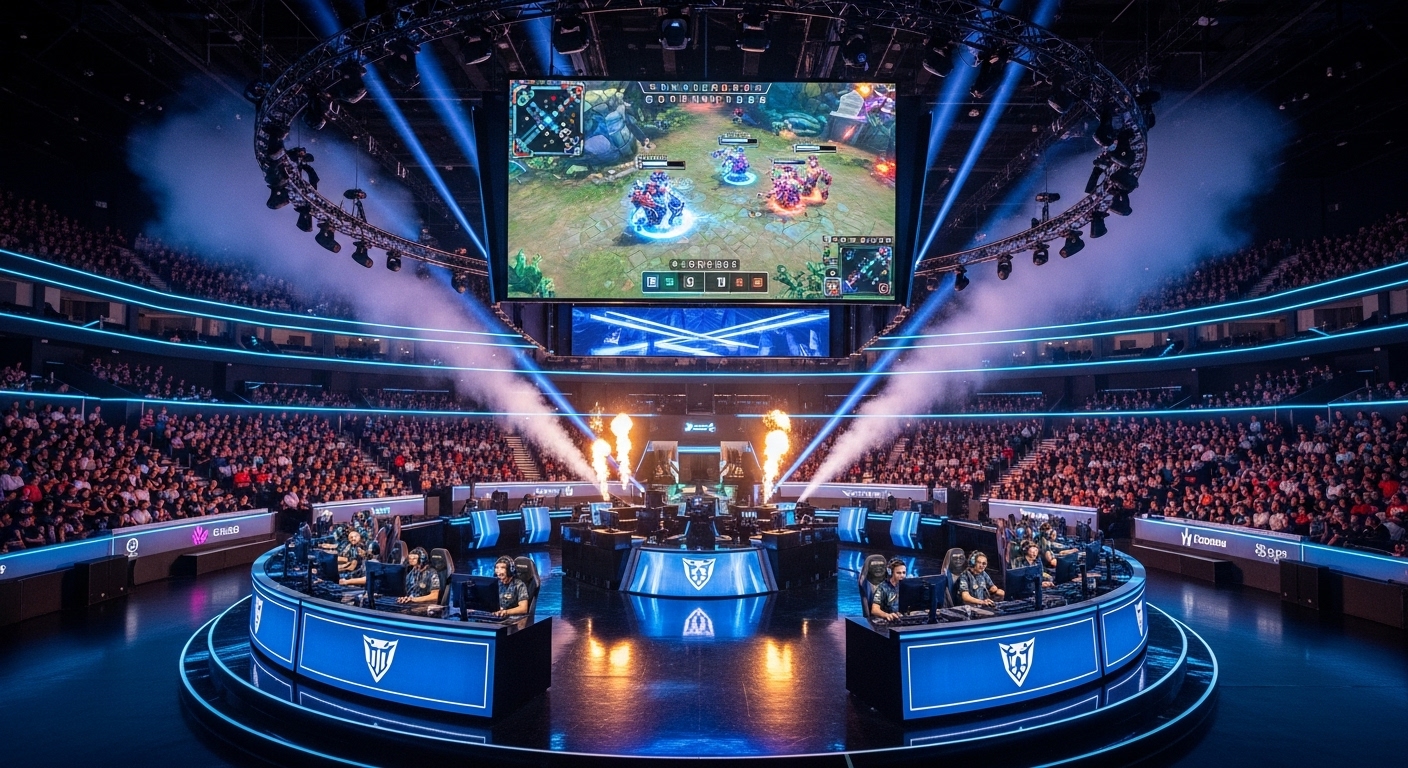
Tournaments are the centerpiece of esports culture. International events attract thousands of live attendees and millions of online viewers. Competitions like the League of Legends World Championship, The International for Dota 2, and Fortnite World Cup have become global spectacles, featuring elaborate stage designs, live commentary, and high production values.
Tournaments also offer massive prize pools that reflect the industry’s financial growth. These events showcase not only player skill but also the power of community and fan engagement, creating moments of drama, celebration, and inspiration similar to traditional sports finals.
The Cultural Impact of Esports
Esports has reshaped how society views gaming and entertainment. It challenges stereotypes about gamers, highlighting dedication, strategy, teamwork, and skill. Professional players are celebrated as role models, influencers, and cultural icons.
Esports also contributes to the normalization of digital communities and online socialization. Fans from around the world connect, discuss strategies, and share experiences, creating a sense of global community. The industry also encourages diversity, with players and fans from different cultures and backgrounds contributing to a rich tapestry of gaming culture.
Technology and Innovation in Esports
Esports thrives on technological innovation. High-performance gaming hardware, fast internet connections, and advanced streaming platforms make competitive play possible at a global scale. Data analytics and performance tracking tools help teams refine strategies and improve player performance.
Virtual reality and augmented reality are beginning to influence the industry, offering new ways to experience competitions and interact with games. As technology evolves, the esports experience will become even more immersive, interactive, and accessible.
Health and Wellbeing in Esports
While esports offers numerous opportunities, it also presents unique challenges related to health and wellbeing. Professional players face long hours of practice, high stress, and repetitive physical movements that can affect posture, vision, and overall fitness.
To address these challenges, teams invest in physical trainers, mental health professionals, and structured schedules to ensure players maintain balance. Awareness of these health considerations highlights the professionalism and maturity of the esports industry, treating players as athletes who need both skill and self-care.
The Future of Esports
The future of esports looks brighter than ever. With increasing global acceptance, investment, and media coverage, esports is set to expand further. Universities and schools are creating esports programs, professional leagues continue to grow, and new games and technologies keep audiences engaged.
Esports will likely continue to integrate with traditional sports, entertainment, and education, offering hybrid experiences that combine physical and digital competition. As fan engagement deepens and the industry matures, esports may redefine the very concept of sports and competition in the 21st century.
Conclusion
Esports is no longer just a hobby or pastime. It is a thriving, multi-dimensional industry that influences culture, technology, and entertainment worldwide. From professional players and teams to passionate fan communities, esports demonstrates the power of digital competition to connect, inspire, and entertain.
As the industry continues to grow, esports will shape the future of entertainment, offering opportunities for careers, community, and global connection. Whether through tournaments, streaming, or personal gameplay, esports proves that competitive gaming is not just about skill—it is about passion, innovation, and the joy of shared experiences.
The rise of esports reminds us that entertainment evolves with technology, imagination, and dedication. It is a testament to how games, once simple diversions, have become powerful cultural forces that influence millions of lives every day.