Introduction: The Digital Arena That Redefined Competition
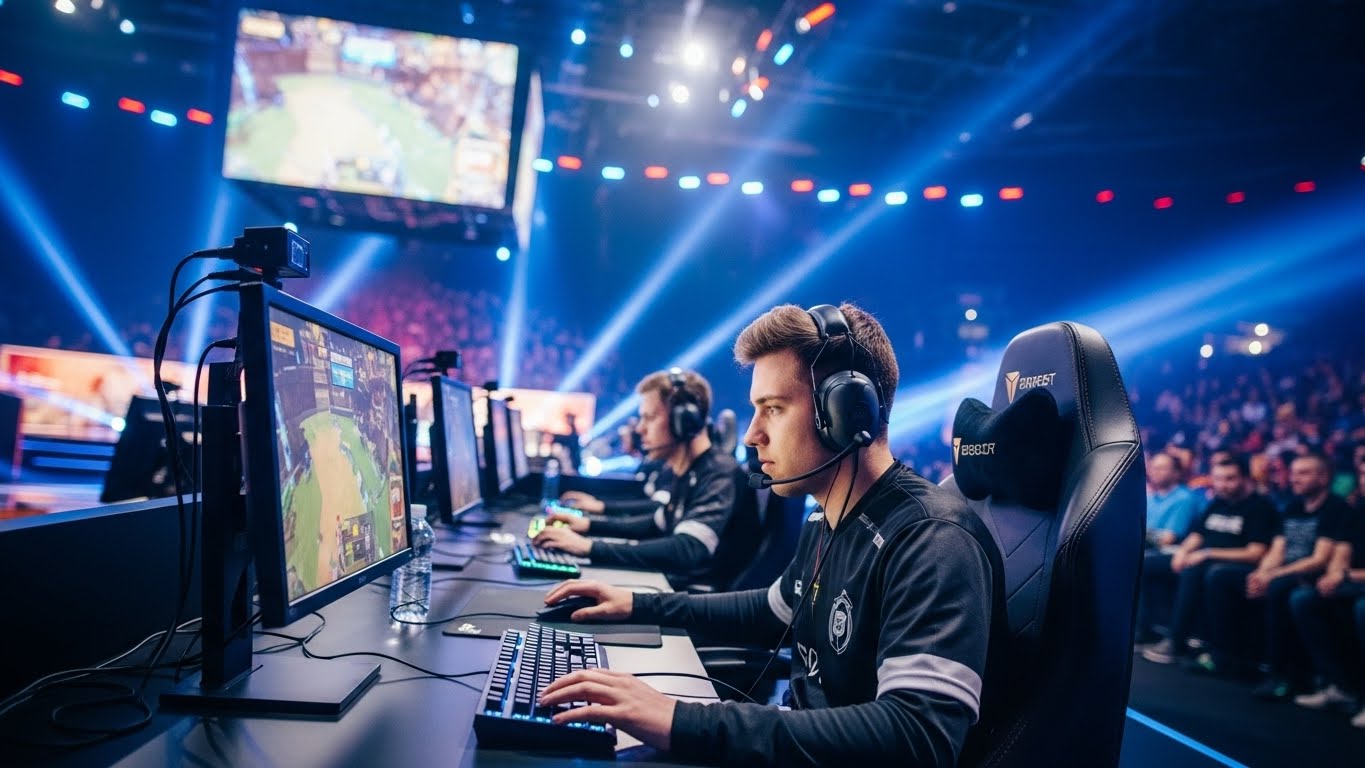
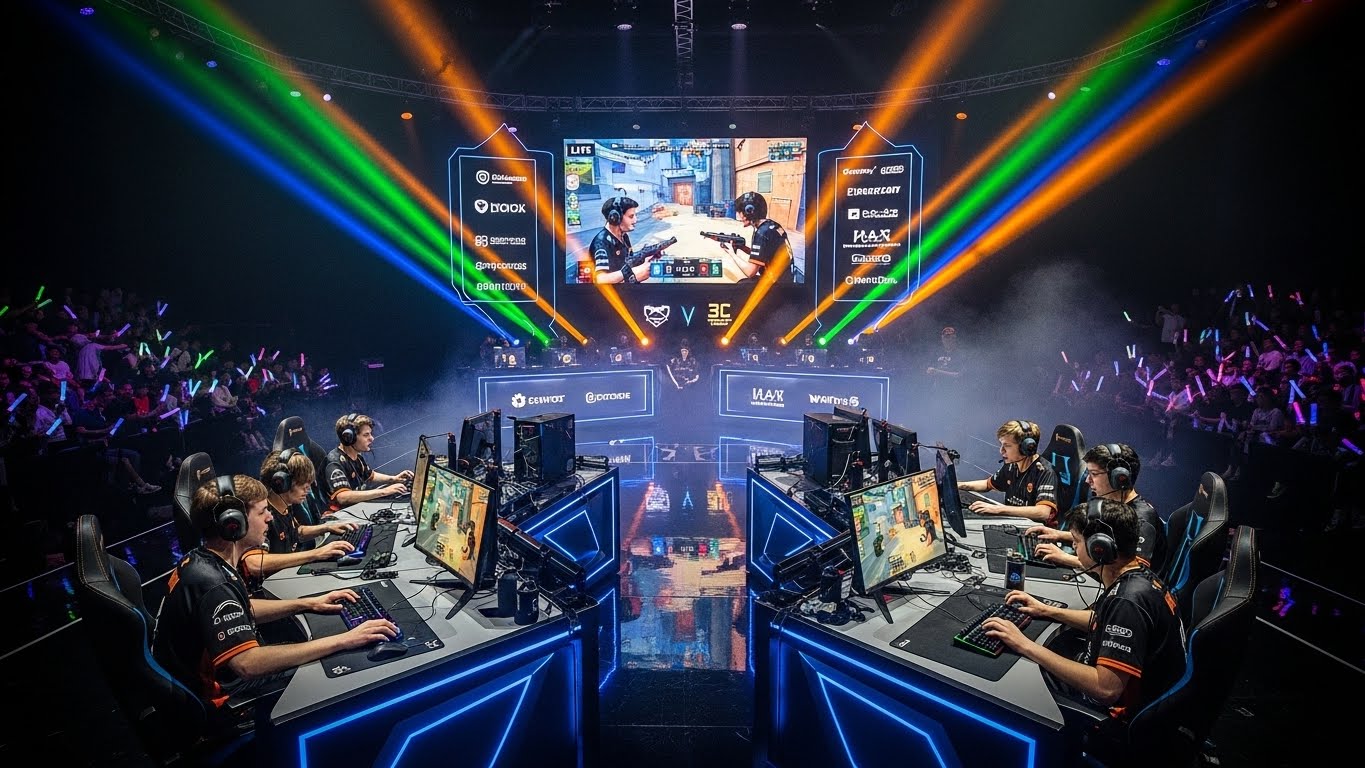
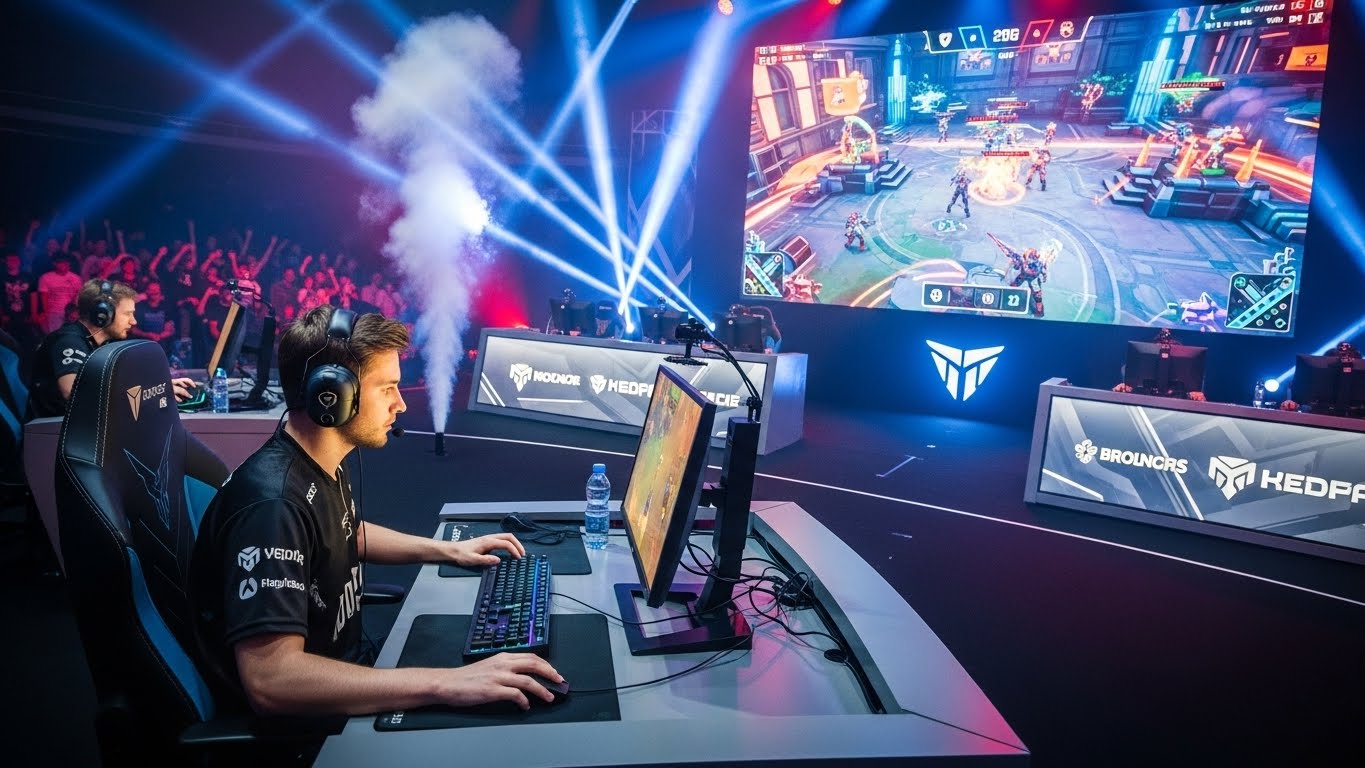
Over the past decade, esports has transformed from a niche pastime into a global cultural and economic force. What started as friendly matches in basements and college dorms has evolved into packed arenas, multimillion-dollar tournaments, and international celebrity athletes whose fingertips determine the outcome of high-stakes battles. Esports is no longer simply about playing video games. It has become a legitimate competitive ecosystem that merges strategy, technology, entertainment, and community in ways traditional sports never imagined.
This blog dives into how esports grew into a worldwide phenomenon, the industries it touches, the opportunities it creates, and why its momentum shows no signs of slowing down.
The Rise of Esports: From Hobby to Industry
Esports did not emerge overnight. The earliest forms date back to the late twentieth century, when arcade competitions and early console tournaments began capturing attention. What truly fueled the industry’s growth, however, was the internet era. With online connectivity, players across the world could compete without being in the same room, and communities formed around shared interests in specific games.
Once livestreaming platforms made it possible to watch professional players in real time, esports found an audience bigger than anyone expected. Viewers realized that competitive gaming was not mere entertainment but a spectacle requiring skill, quick reflexes, teamwork, and deep strategic thinking. This shift marked the beginning of esports as a real sport with loyal fans, professional organizations, coaches, analysts, psychologists, and sponsors backing it.
Esports Athletes: Skill, Discipline, and a New Kind of Professionalism
One of the biggest misconceptions about esports athletes is the idea that they simply sit and play games casually. In reality, their day-to-day schedules mirror those of traditional athletes. Top-tier competitors train for hours daily, studying opponents, reviewing gameplay footage, practicing mechanics, coordinating with teammates, and maintaining mental and physical health.
Reaction time, decision-making speed, and multitasking ability are critical. Many professional players go through cognitive training, physical exercise routines, and strict sleep schedules to keep their minds sharp. Teams now hire dedicated coaches, nutritionists, and sports psychologists to help players perform at their best.
The dedication and discipline required to excel in esports have helped legitimize it as a sport. The mindset of its athletes reflects commitment far beyond recreational gaming.
The Games That Built the Competitive Landscape
Esports spans numerous genres and titles, each with its own audience and competitive structure. Some of the most influential games shaping the ecosystem include:
1. Multiplayer Battle Arenas
These titles focus heavily on teamwork, strategy, and real-time decisions. They are famous for intense tournaments and passionate fan bases.
2. Tactical Shooters
These games test precision, communication, and coordinated tactics, rewarding strategic teamwork over individual glory.
3. Real-Time Strategy Games
Although they have a smaller competitive scene today, they laid the foundation for modern esports by showcasing strategic depth and player mastery.
4. Sports Simulation Titles
These games replicate real-world sports but add a new digital twist, attracting fans who love both traditional and esports competition.
Each genre brings something unique to the esports world, ensuring that fans with different tastes find a home within the digital arena.
The Spectators: Why Millions Tune In
Esports thrives not only because of the players but also because of the audience. What makes spectatorship in this industry so special is its accessibility. Anyone can watch from anywhere, and the matches are often free to view.
Fans also love the personalities and stories behind their favorite teams. The rise of player-streamers, analysts, and shoutcasters has created a tight-knit community atmosphere. Watching live matches feels like participating in a global event with millions of others.
What further captivates audiences is the unpredictability. Upsets happen often, and games can turn within seconds. The combination of skill, teamwork, and drama makes esports incredibly engaging—even for people who do not play the games themselves.
The Business of Esports: A Rapidly Expanding Economy
The financial growth of esports is astonishing. Entire industries have formed around it, including:
Professional Organizations
These teams operate like traditional sports franchises, with management staff, recruitment departments, and branding strategies.
Sponsorships and Brand Partnerships
Companies from technology, energy drinks, clothing, automotive, and finance sectors have recognized esports’ marketing power. They invest heavily in tournaments, players, and content creators.
Merchandising
Team jerseys, accessories, gaming peripherals, and collectibles have become major revenue sources.
Event Production
Broadcast studios, commentators, stage designers, and production crews work behind the scenes to make tournaments look and feel world-class.
Gaming Hardware and Software
The demand for high-performance equipment, accessories, and platforms continues to climb alongside esports’ popularity.
The result is a thriving global economy where millions of jobs are directly and indirectly tied to competitive gaming.
Education and Career Paths in Esports
As esports grows, so do career opportunities. Today, universities offer scholarships for esports athletes, academic programs in gaming business, and courses in broadcasting, game design, and digital marketing.
Career paths include:
- Professional player
- Coach or analyst
- Event organizer
- Broadcast commentator
- Content creator
- Marketing specialist
- Game developer
- Team manager
Esports has opened doors for both players and non-players, making it an inclusive field for people with diverse skills.
The Social Impact: More Than Just a Game
Esports has created global communities where people build friendships, learn teamwork, and develop communication skills. Many young players find confidence and a sense of belonging in gaming spaces where passion matters more than background, physical ability, or location.
Additionally, esports organizations often run charity events, mental health campaigns, and community programs. The culture encourages inclusivity and supports positive conversations about digital wellness and responsible gaming.
Challenges Ahead: The Road to Sustainable Growth
Despite its rapid rise, esports faces its share of hurdles. These include:
Player burnout
The intense training schedule can lead to physical and mental exhaustion, especially for young athletes.
Financial sustainability
Some smaller organizations struggle to balance expenses with revenue.
Regulation and integrity
Ensuring fair play, preventing cheating, and establishing global standards are ongoing concerns.
Inclusivity and diversity
While improving, esports still needs more representation across genders and regions.
These challenges require thoughtful, long-term solutions, but overcoming them will help esports continue evolving into a mature, stable industry.
The Future of Esports: A Generation’s New Frontier
The future of esports looks bright. With advances in technology, virtual reality competitions, mobile esports growth, improved training facilities, and increasing recognition from educational and sports institutions, esports continues to break new ground.
The next generation views digital competition as naturally as previous generations viewed traditional sports. As technology evolves and global connectivity strengthens, esports is poised to become an even more dominant form of entertainment and competition.
Conclusion: A New Era of Competitive Excellence
Esports represents far more than an entertainment trend. It is a powerful movement that blends technology, human skill, teamwork, and storytelling. Its growth reflects the digital evolution of our world and the universal desire to compete, connect, and create.
What once lived in digital shadows now shines under stadium lights. Esports has earned its place on the global stage—and its journey has only just begun.