Introduction: A New Age of Competition
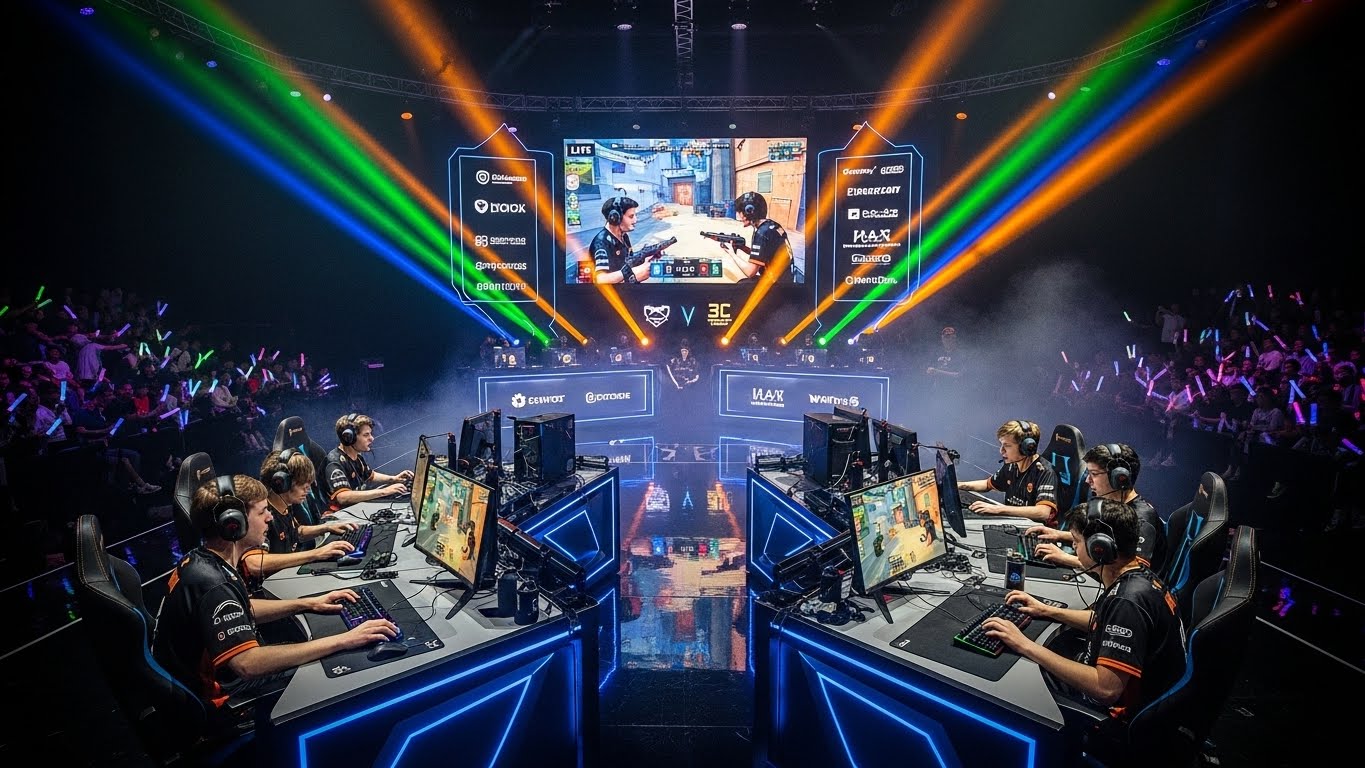
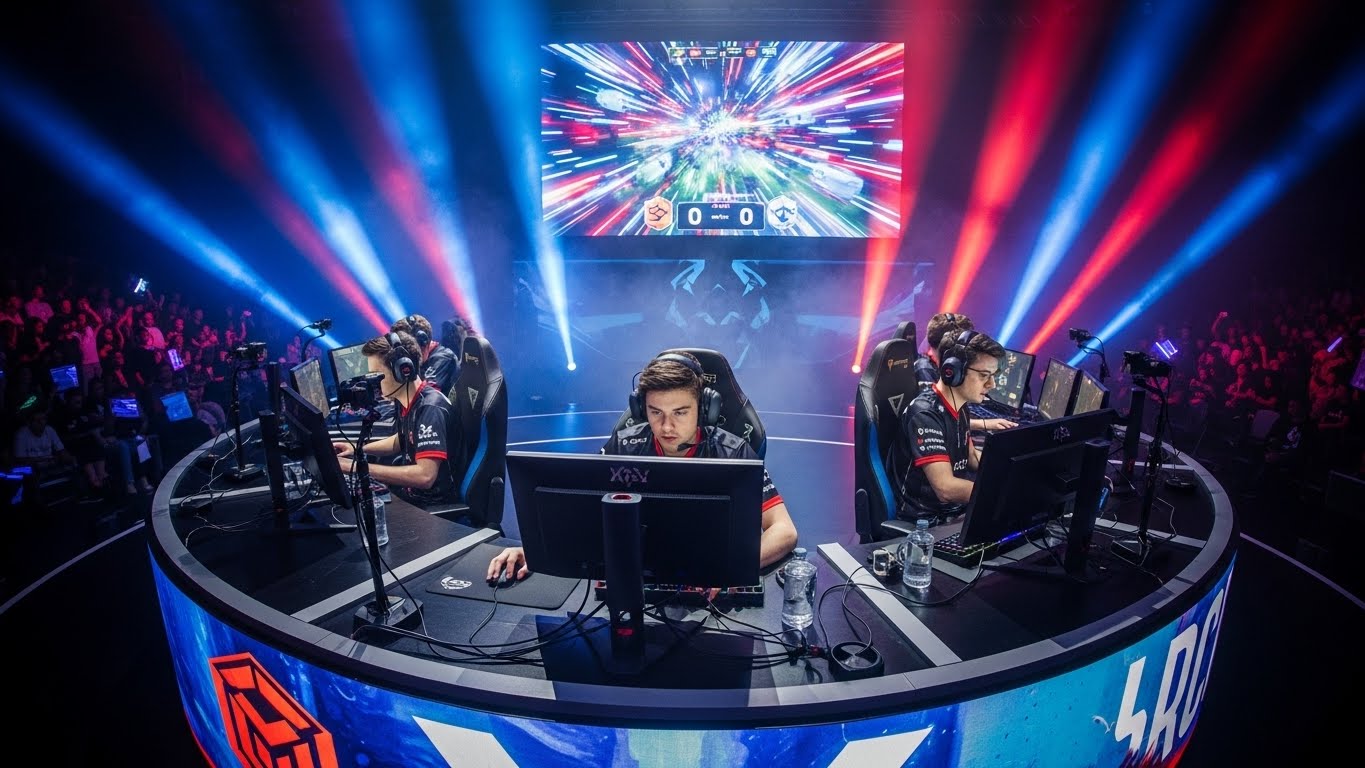
Esports has transformed from casual gaming sessions into a global competitive industry that commands massive audiences, professional athletes, and cultural influence. What was once dismissed as a hobby is now recognized as a legitimate form of competition, entertainment, and career opportunity. Esports blends technology, strategy, skill, and community in a way no traditional sport ever has, reflecting the digital generation’s values and lifestyle.
As competitive gaming continues to expand, it reshapes how people view sports, teamwork, and entertainment. This blog explores the evolution of esports, its cultural and economic impact, the life of professional players, career opportunities, challenges, and what the future holds for this rapidly growing industry.
The Origins of Esports: Where It All Began
The roots of esports stretch back to the early days of video games, when players competed for high scores in arcades. These informal competitions gradually evolved into organized events as technology improved and gaming communities grew. The rise of personal computers and consoles allowed players to compete locally, setting the stage for competitive gaming.
The real breakthrough came with the expansion of the internet. Online multiplayer games enabled players from different regions to compete in real time, turning local rivalries into global competitions. Early tournaments laid the foundation for professional leagues, structured rules, and the esports ecosystem we see today.
Understanding Esports: More Than Playing Games
Esports refers to organized, competitive video gaming where individuals or teams compete under standardized rules. Unlike casual gaming, esports demands precision, strategic thinking, and continuous training. Players study gameplay mechanics, analyze opponents, and work closely with teammates to achieve victory.
Different game genres define the esports landscape, including tactical shooters, strategy-based games, sports simulations, and fast-paced battle arenas. Each genre requires unique skills, but all demand discipline, focus, and mental resilience. Esports athletes are not simply gamers; they are competitors who dedicate years to mastering their craft.
The Global Reach of Esports
One of esports’ greatest strengths is its global nature. Players from different countries compete on equal footing, connected by technology rather than geography. International tournaments attract audiences from around the world, creating shared experiences that transcend language and culture.
This global reach has helped esports become a cultural phenomenon. Fans follow teams and players with the same passion seen in traditional sports. Online communities discuss strategies, celebrate victories, and analyze performances, strengthening the bond between players and audiences. Esports has created a worldwide digital stadium where anyone can participate.
Esports as Entertainment: Engaging the Digital Generation
Esports appeals strongly to younger audiences who grew up in the digital era. Unlike traditional sports, esports offers interactivity, accessibility, and constant engagement. Fans can watch live matches, communicate with players, and participate in discussions instantly.
The presentation of esports has also evolved into a professional spectacle. High-quality broadcasts, expert commentary, dramatic storytelling, and immersive visuals enhance the viewing experience. These elements turn competitive gaming into a form of entertainment that rivals mainstream sports and media.
The Business of Esports: A Growing Industry
Behind the excitement of competition lies a powerful business ecosystem. Esports generates revenue through sponsorships, advertising, merchandise, media rights, and live events. Major brands recognize esports as an effective way to connect with younger, tech-savvy audiences.
Professional teams operate like corporations, employing coaches, analysts, managers, and content creators. Tournament organizers invest heavily in production quality, infrastructure, and marketing. As investment increases, esports continues to gain stability and recognition as a long-term industry rather than a temporary trend.
Life of a Professional Esports Player
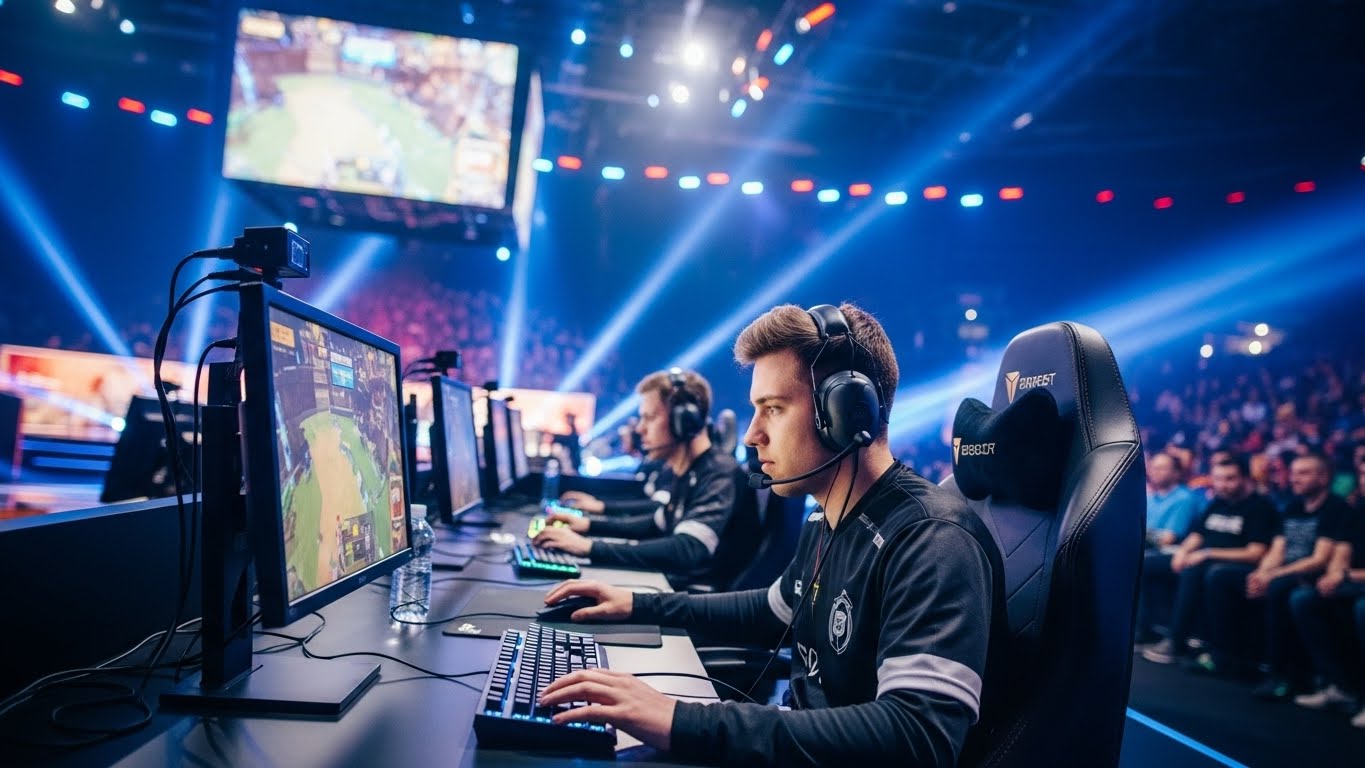
Becoming a professional esports player requires dedication comparable to traditional athletics. Players train for long hours each day, focusing on mechanics, teamwork, communication, and strategy. Scrimmages, practice matches, and performance reviews are essential parts of daily routines.
Mental strength is crucial in esports. High-pressure tournaments, public scrutiny, and constant competition can lead to stress and burnout. To address this, many teams prioritize mental health, incorporating structured schedules, rest periods, and professional support. Success in esports depends not only on skill but also on balance and resilience.
Career Paths Beyond Playing
While professional players receive the most attention, they represent only a small portion of the esports workforce. The industry offers a wide range of career opportunities, including coaching, game analysis, broadcasting, event management, marketing, and content creation.
Technology-focused roles such as data analysis, software development, and production design are also essential. These careers allow individuals passionate about gaming to contribute without competing professionally. As esports grows, these roles become more specialized and respected.
Esports and Education: Changing Perspectives
Educational institutions are increasingly recognizing esports as a valuable learning platform. Schools and universities have introduced esports programs that combine competition with academic development. Students learn teamwork, leadership, strategic thinking, and digital literacy through structured gaming environments.
These programs also challenge outdated stereotypes about gaming. Esports demonstrates that gaming can be productive, educational, and career-oriented. By integrating esports into education, institutions prepare students for opportunities in technology, media, and business.
Inclusivity and Diversity in Esports
Despite its global reach, esports faces challenges related to inclusivity and diversity. Historically, the industry has struggled with representation and online toxicity. However, growing awareness has led to initiatives promoting safer environments and broader participation.
Encouraging diversity strengthens the esports community by expanding talent pools and perspectives. Inclusive spaces allow players and fans from all backgrounds to engage meaningfully, ensuring esports continues to evolve as a welcoming global culture.
Challenges Facing the Esports Industry
Rapid growth brings challenges that esports must address to remain sustainable. Player burnout, inconsistent regulations, and lack of standardized governance create obstacles. The fast-paced nature of game updates and shifting trends can also affect long-term stability.
Additionally, maintaining competitive integrity and fair play is essential. Addressing these challenges requires collaboration among developers, organizations, players, and communities to build a healthier ecosystem.
Technology Driving Esports Forward
Technology is the backbone of esports. Advances in gaming hardware, internet infrastructure, and broadcasting tools enhance performance and accessibility. Data analytics and artificial intelligence help teams improve strategies and understand gameplay at deeper levels.
Future innovations such as virtual reality and augmented reality may further transform how esports is played and experienced. As technology evolves, it will continue to shape competitive gaming in ways that redefine entertainment and interaction.
The Future of Esports
The future of esports is filled with opportunity. As audiences grow and technology advances, esports will likely become even more integrated into mainstream culture. Partnerships with traditional sports, media, and entertainment industries may create hybrid experiences that attract broader audiences.
Esports also has the potential to inspire new forms of competition and creativity. With global accessibility and digital innovation, the industry is well-positioned to remain a defining feature of modern entertainment.
Conclusion: A Digital Sport for a Digital World
Esports represents a new chapter in the history of competition. It combines skill, strategy, technology, and community in a way that reflects the values of the digital age. From its humble beginnings to its current global influence, esports has proven that competition does not need a physical field to inspire passion and excellence.
As esports continues to grow, it challenges traditional definitions of sports and entertainment. It offers careers, builds communities, and connects people worldwide through shared experiences. Esports is not just the future of gaming; it is a powerful symbol of how technology is reshaping human competition and culture.