Introduction
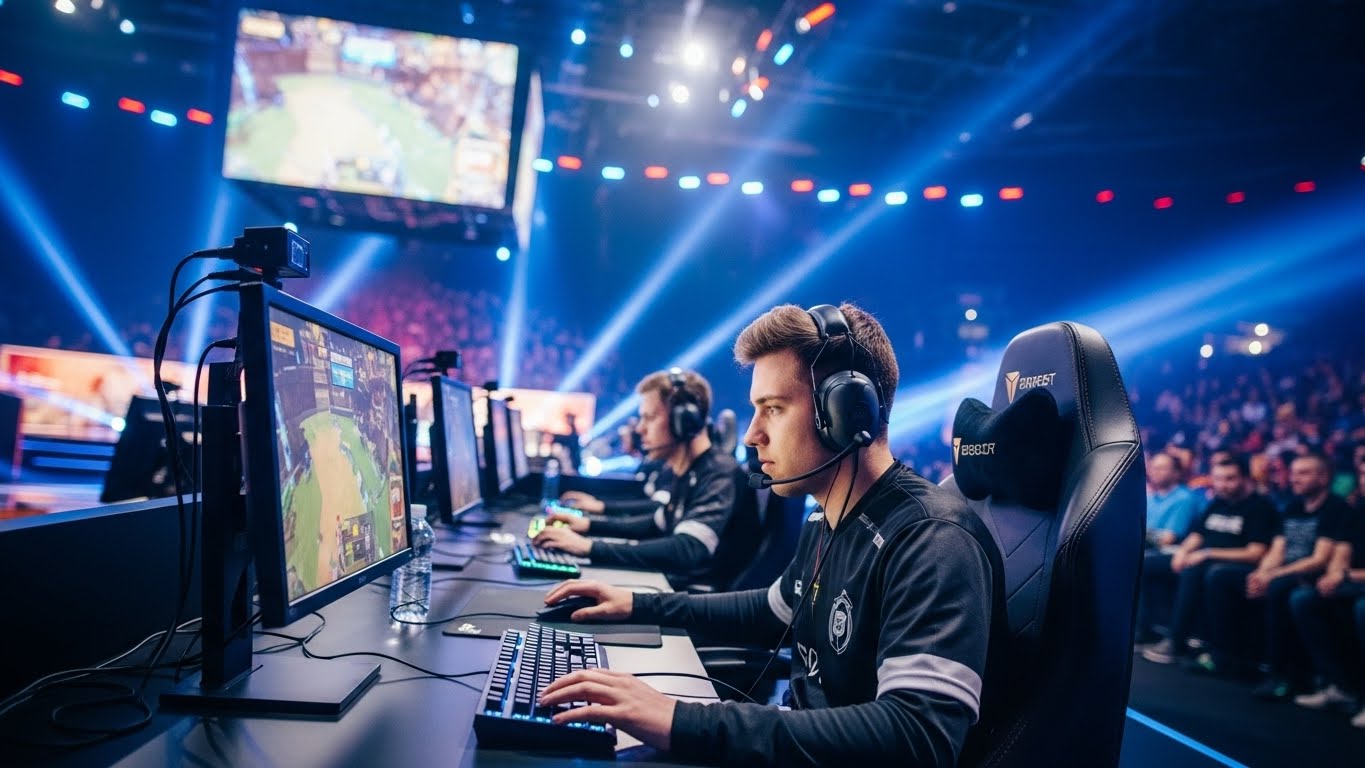
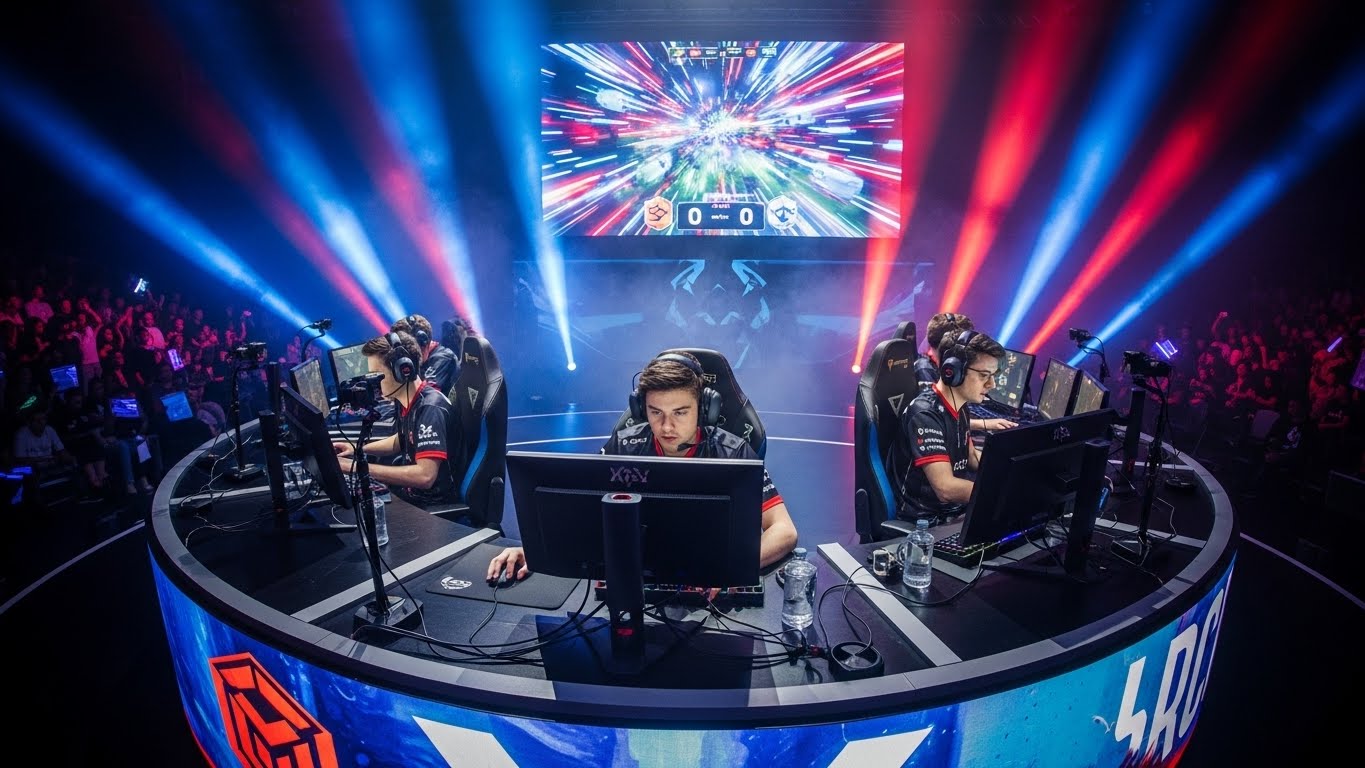
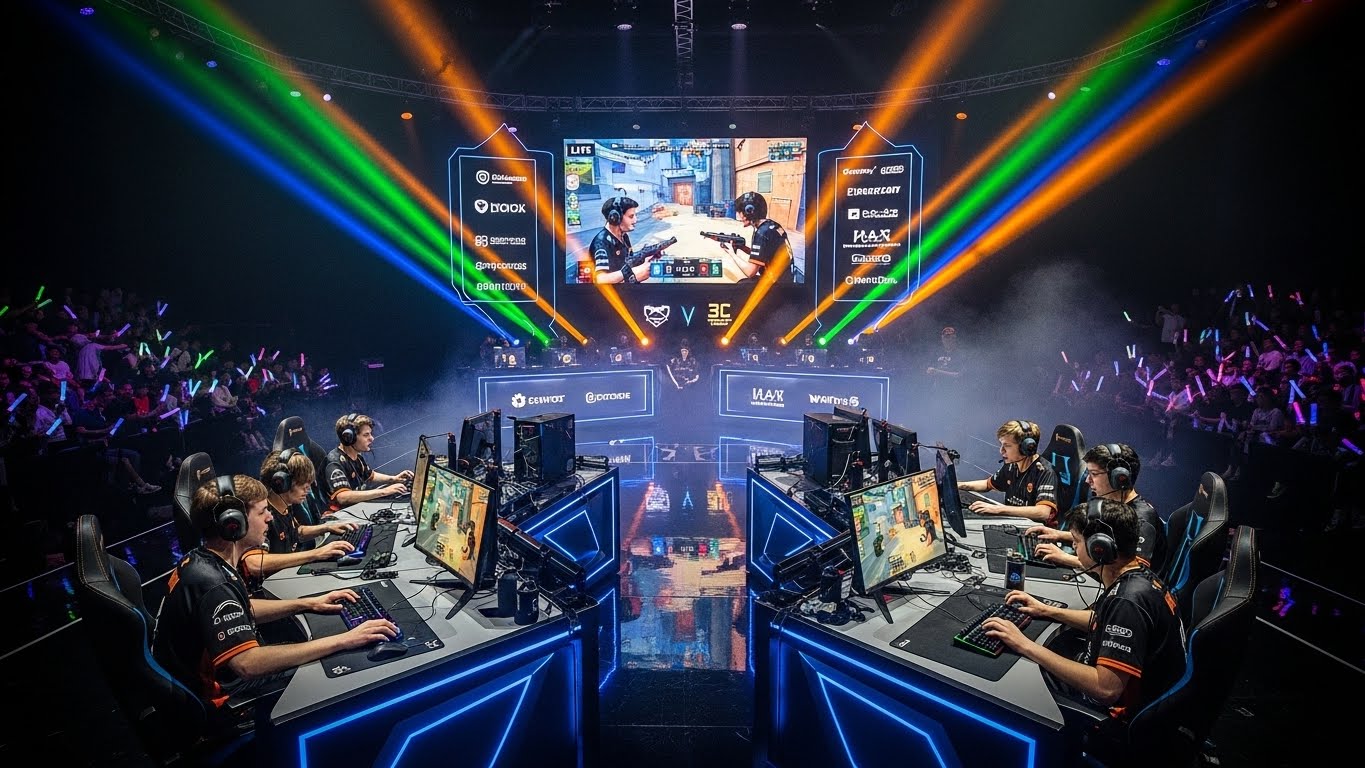
Esports has transformed from a niche pastime enjoyed by small groups of competitive gamers into a global cultural and economic force. Stadiums filled with cheering fans, professional players treated like celebrities, and prize pools that rival traditional sports have become defining features of this digital phenomenon. What once took place in bedrooms and internet cafés now commands worldwide audiences, major sponsorships, and serious career opportunities. Esports is no longer just about playing games; it is about performance, identity, technology, and community in the modern age.
This blog explores the evolution of esports, its structure, its cultural significance, and its future potential. By understanding how esports operates and why it matters, we gain insight into a rapidly changing form of entertainment that reflects the values and ambitions of a digitally connected generation.
The Origins of Competitive Gaming
Competitive gaming did not appear overnight. Its roots can be traced back to the early days of video games, when players challenged each other for high scores in arcades. These informal competitions laid the foundation for organized play. As home consoles and personal computers became more common, multiplayer gaming expanded, allowing players to compete without being in the same physical space.
The real turning point came with the growth of the internet. Online connectivity enabled large scale tournaments, ranked matchmaking systems, and global communities. Games designed specifically for competitive balance began to emerge, and players started to specialize, practice intensively, and form teams. What began as friendly rivalry evolved into structured competition, marking the birth of modern esports.
Defining Esports as a Professional Discipline
Esports refers to organized, competitive video gaming where individuals or teams compete under established rules. Unlike casual gaming, esports demands consistent practice, strategic planning, and high level mechanical skill. Players often focus on a single game, mastering its mechanics, strategies, and psychological demands.
Professional esports mirrors traditional sports in many ways. Teams have coaches, analysts, and support staff. Players follow training schedules that include practice sessions, strategy reviews, and physical conditioning. Tournaments are governed by leagues and organizers who enforce rules and standards. This level of organization distinguishes esports from casual play and positions it as a legitimate professional discipline.
Popular Esports Genres and Games
Esports spans a wide range of game genres, each offering a unique competitive experience. Multiplayer online battle arena games emphasize teamwork, strategy, and real time decision making. First person shooters focus on precision, reflexes, and tactical coordination. Real time strategy games reward planning, resource management, and adaptability. Sports simulation games replicate traditional athletics in a digital format, while fighting games highlight individual skill and timing.
The diversity of genres allows esports to appeal to a broad audience. Viewers can find competitions that match their interests, whether they prefer fast paced action, deep strategy, or one on one duels. This variety has been key to esports growth, ensuring that it does not rely on a single style of play or audience.
The Esports Ecosystem
The esports industry operates as a complex ecosystem involving players, teams, tournament organizers, broadcasters, sponsors, and fans. Each group plays a crucial role in sustaining the competitive scene. Players provide the skill and spectacle that draw audiences. Teams invest in talent and branding. Organizers create events that showcase competition at the highest level.
Broadcasting and content creation have been especially important. Live streams, highlight videos, and commentary make esports accessible to global audiences. Sponsors and advertisers support the ecosystem financially, recognizing the value of engaging with a young and tech savvy demographic. Together, these elements create a self reinforcing system that continues to expand.
The Role of Technology in Esports Growth
Technology is the backbone of esports. High speed internet, powerful gaming hardware, and advanced software tools make competitive play possible on a global scale. Streaming platforms allow millions of viewers to watch matches live, interact with each other, and support their favorite teams.
Game developers also play a significant role. By updating games, balancing mechanics, and supporting competitive features, they shape the esports landscape. Innovations such as virtual reality, improved analytics, and enhanced broadcast tools promise to further enrich the viewing and playing experience. As technology advances, esports evolves alongside it.
Esports and Youth Culture
Esports resonates strongly with younger generations who have grown up in digital environments. For many, gaming is a primary form of social interaction and self expression. Esports offers role models who demonstrate that passion for gaming can lead to recognition and success.
This cultural connection has influenced fashion, language, and media consumption. Esports teams develop distinct identities, and fans express loyalty through merchandise and online engagement. The sense of belonging created by esports communities is a powerful force, fostering connections that extend beyond the games themselves.
Education and Career Opportunities
The growth of esports has opened new educational and professional pathways. Schools and universities now offer esports programs, scholarships, and dedicated facilities. These initiatives recognize the skills developed through competitive gaming, such as teamwork, communication, and strategic thinking.
Career opportunities in esports extend beyond playing professionally. Coaching, event management, marketing, broadcasting, and game development are just a few of the roles available. As the industry matures, it continues to create jobs that blend creativity, technology, and competition.
Health, Training, and Performance
Contrary to common stereotypes, professional esports players must take their health seriously. Long practice hours require physical and mental endurance. Issues such as posture, eye strain, and stress management are increasingly addressed through structured training programs.
Teams emphasize balanced lifestyles that include exercise, proper nutrition, and rest. Mental training is equally important, as players must perform under pressure and adapt quickly to changing situations. By focusing on holistic well being, esports professionals aim to sustain high performance over long careers.
Challenges Facing the Esports Industry
Despite its success, esports faces several challenges. Maintaining competitive integrity, ensuring fair play, and addressing issues such as burnout and player exploitation are ongoing concerns. The rapid pace of growth can also lead to instability, with teams and leagues struggling to achieve long term sustainability.
Another challenge lies in public perception. While acceptance is growing, esports still faces skepticism from those who view it as less legitimate than traditional sports. Addressing these concerns requires transparency, professionalism, and continued demonstration of esports value as both entertainment and competition.
The Global Impact of Esports
Esports is a truly global phenomenon. Players and teams from different countries compete on equal footing, transcending geographical and cultural boundaries. International tournaments bring together diverse audiences, fostering cross cultural exchange and understanding.
This global reach has economic implications as well. Host cities benefit from tourism, while brands gain access to international markets. Esports serves as a bridge between cultures, united by shared enthusiasm for competition and gaming.
The Future of Esports
The future of esports appears promising. As technology improves and audiences grow, competitive gaming is likely to become even more integrated into mainstream entertainment. Innovations in broadcasting, interactive viewing, and immersive experiences will redefine how fans engage with competitions.
Esports may also influence traditional sports, inspiring new approaches to fan engagement and data analysis. At the same time, continued focus on player welfare, governance, and inclusivity will be essential for sustainable growth. The next chapter of esports will be shaped by how well the industry balances ambition with responsibility.
Conclusion
Esports represents a powerful intersection of technology, competition, and culture. From humble beginnings to global prominence, it has redefined what it means to be an athlete and a fan in the digital age. By offering opportunities for connection, creativity, and professional growth, esports has secured its place in modern society.
As the digital arena continues to expand, esports will remain a symbol of how passion and innovation can transform entertainment. Its story is still being written, and its influence will continue to shape the future of gaming, media, and competitive expression.