Introduction
Esports has rapidly evolved from casual gaming sessions into a global competitive phenomenon that rivals traditional sports in popularity and influence. What once existed in bedrooms, internet cafés, and small community tournaments has grown into packed arenas, professional leagues, and worldwide fanbases. Esports is not merely about playing video games; it represents discipline, strategy, teamwork, and mental strength in a digital arena. As technology advances and digital culture expands, esports continues to redefine competition, entertainment, and career possibilities for a new generation.
Understanding the World of Esports
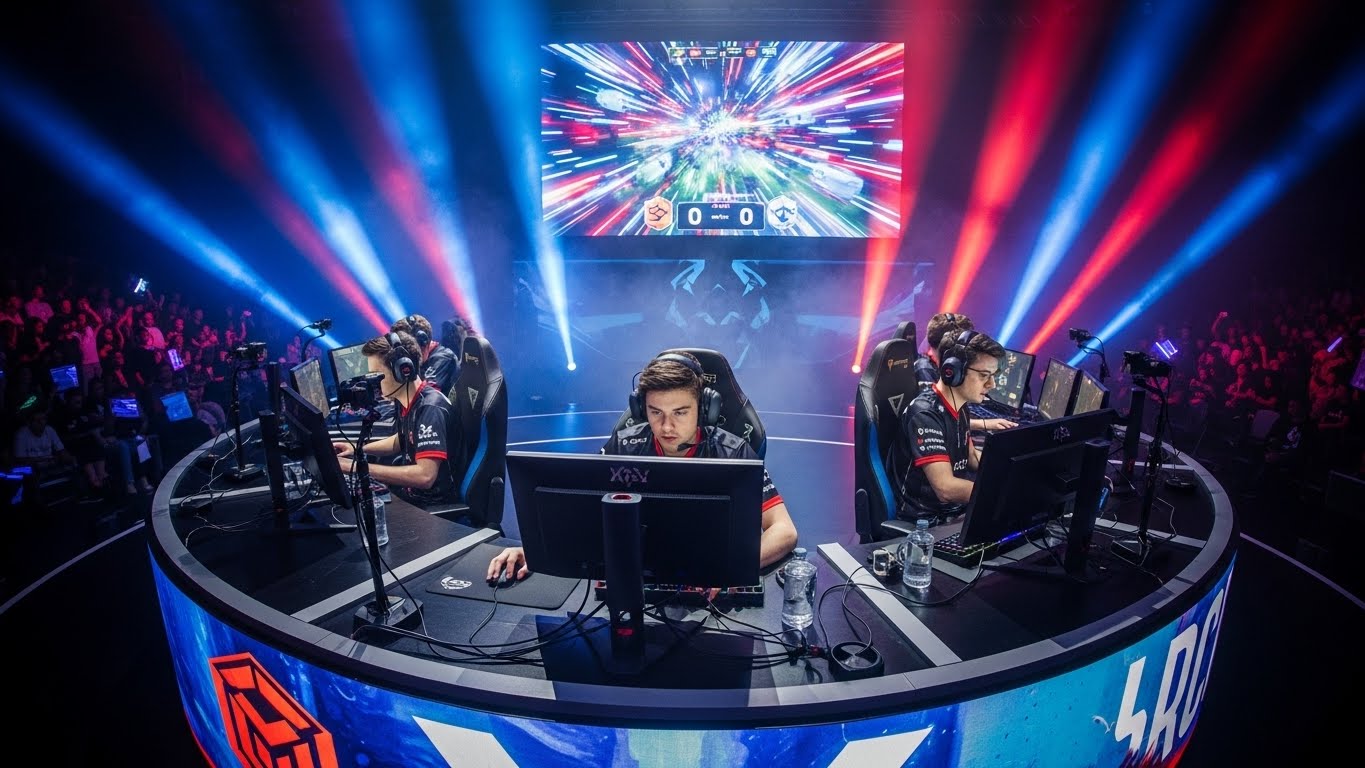
Esports refers to organized competitive gaming where players or teams compete under structured rules and formats. These competitions span multiple genres, including multiplayer battle arenas, first-person shooters, strategy games, fighting games, and sports simulations. Unlike casual gaming, esports demands consistency, preparation, and mastery of mechanics and tactics. Players must understand game systems deeply, react quickly, and adapt to constantly changing scenarios. This structured competitive environment places esports alongside traditional sports in terms of skill, preparation, and dedication.
The Early Origins of Competitive Gaming
The roots of esports can be traced back to the early days of video gaming when players competed for high scores in arcades. These early competitions were informal yet intense, driven by pride and community recognition. As home consoles and personal computers became more common, gaming competitions moved into homes and local gatherings. The introduction of local network gaming allowed players to compete directly against one another, fostering rivalries and teamwork. These small beginnings laid the foundation for the organized esports ecosystems seen today.
The Role of the Internet in Esports Growth
The internet transformed esports from a localized activity into a global movement. Online multiplayer games allowed players from different countries to compete in real time, breaking geographical barriers. Live streaming technology enabled fans to watch matches, follow their favorite players, and engage with the competitive scene. This accessibility fueled exponential growth, allowing esports to develop dedicated audiences and professional infrastructures. The internet not only connected players but also created communities that thrive on shared passion and competition.
Professionalization of Esports
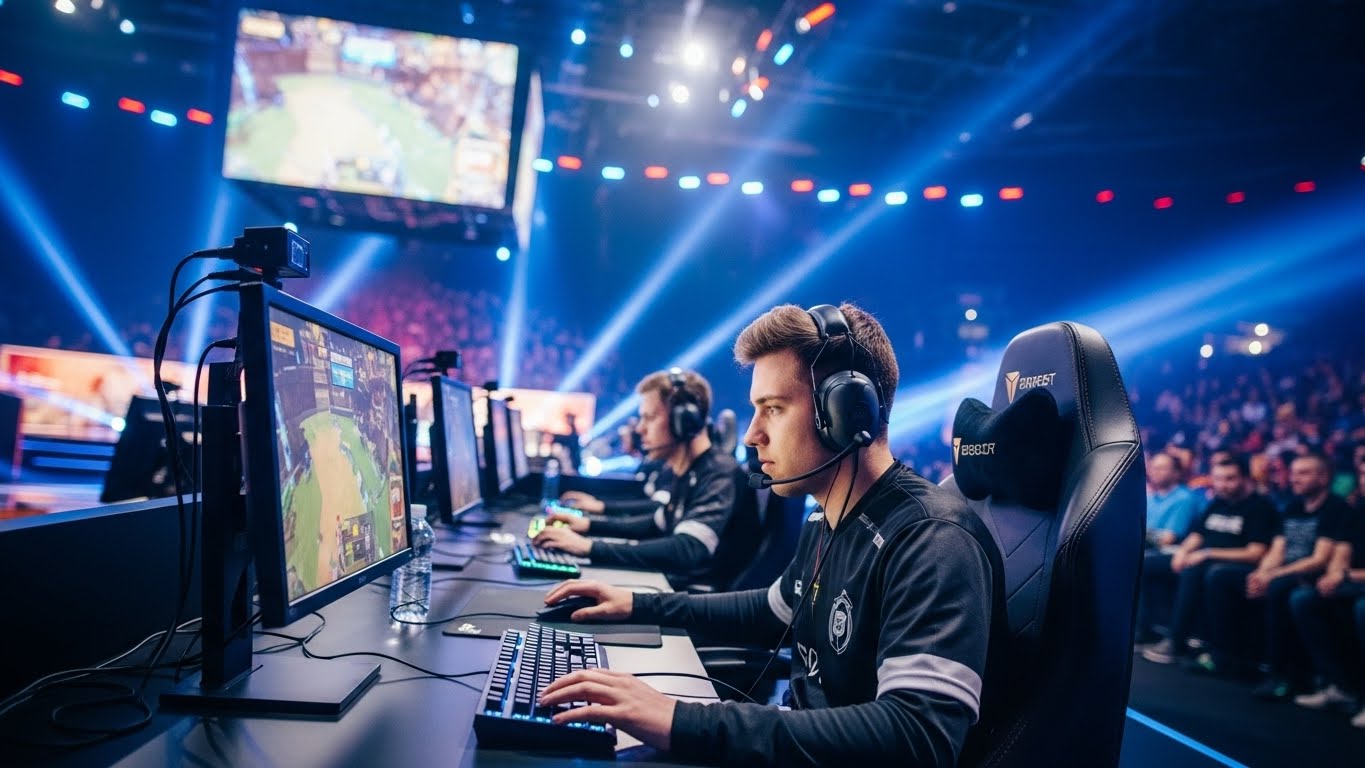
As esports gained popularity, it transitioned into a professional industry. Organized leagues, international tournaments, and professional teams emerged, offering structured competition and financial stability for players. Professional esports players sign contracts, receive salaries, and train under coaches and analysts. Teams invest in performance optimization, including strategy development, mental coaching, and physical wellness. This level of professionalism demonstrates that esports is no longer a hobby but a legitimate career path requiring commitment and excellence.
Training and Discipline Behind the Screens
Success in esports requires intense training and discipline. Professional players often practice for several hours daily, focusing on mechanics, teamwork, and strategic execution. Training includes analyzing gameplay footage, studying opponents, and refining communication. Mental resilience is crucial, as players must remain focused under pressure and recover quickly from losses. Many teams also emphasize physical health, recognizing that stamina, posture, and reaction time are influenced by overall well-being. This rigorous routine highlights the athletic nature of esports competition.
Mental Strength and Cognitive Skills
Esports places heavy demands on cognitive abilities. Players must process large amounts of information in seconds, anticipate opponents’ moves, and make precise decisions. These challenges enhance problem-solving, multitasking, memory, and hand-eye coordination. Strategy-based games encourage long-term planning and adaptability, while fast-paced games sharpen reflexes and situational awareness. Emotional control is equally important, as players must manage stress, maintain confidence, and perform consistently during high-stakes matches.
Teamwork and Communication in Esports
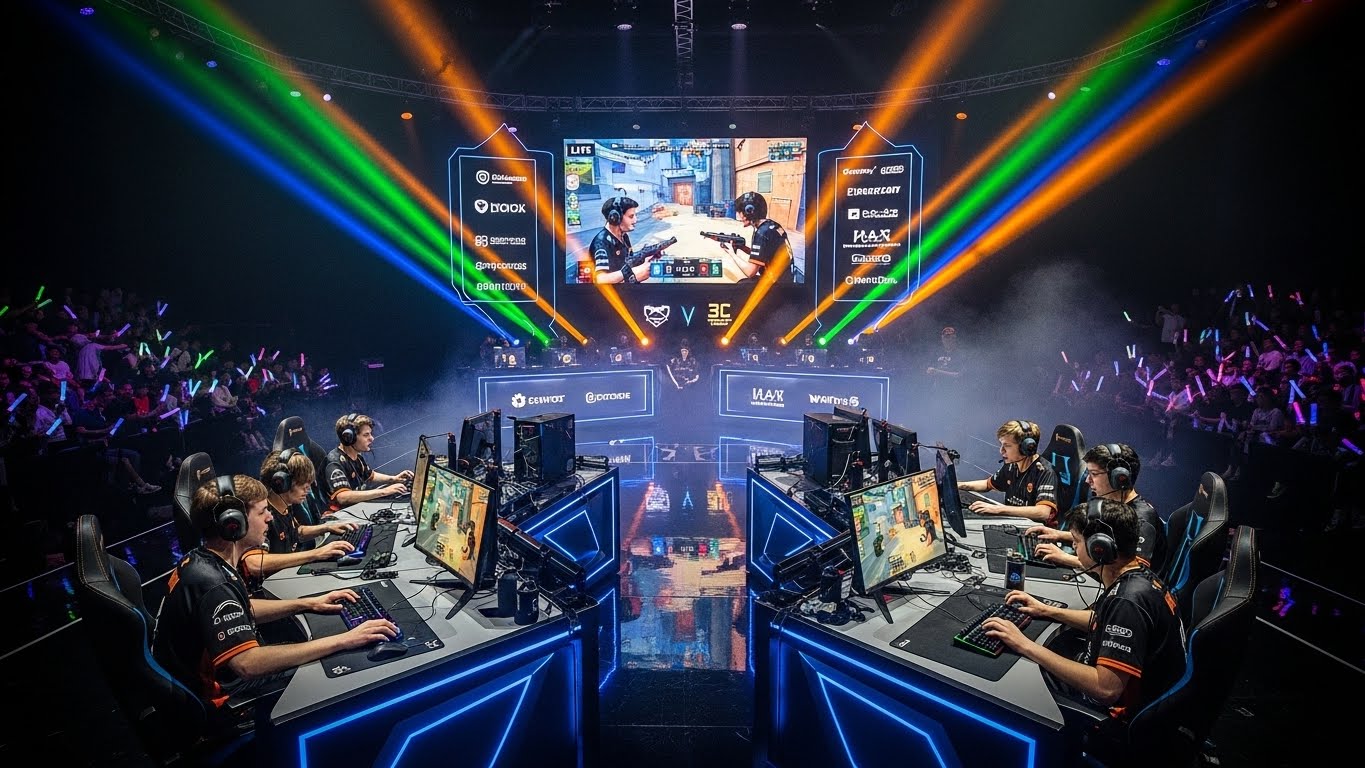
Many esports titles are team-based, requiring seamless coordination and communication. Players must share information, execute strategies, and trust one another to perform their roles effectively. Clear communication often determines success or failure, especially during intense moments. Leadership, accountability, and mutual respect are essential within teams. Even individual competitors rely on support staff, including coaches and analysts, reinforcing the importance of collaboration. These teamwork skills mirror those required in professional environments beyond gaming.
The Rise of Esports Communities
Esports thrives on passionate communities that support players, teams, and events. Fans engage in discussions, analyze matches, and celebrate victories together. Online platforms allow direct interaction between players and supporters, creating strong emotional connections. Community-driven events, amateur tournaments, and fan content contribute to the ecosystem’s growth. These communities foster inclusion, creativity, and shared identity, making esports a social experience rather than just a competitive one.
Economic Impact of Esports
Esports has become a significant economic force. Revenue is generated through sponsorships, merchandise, media rights, event tickets, and prize pools. Large tournaments attract global audiences and stimulate local economies through travel and hospitality. The industry also supports jobs in broadcasting, marketing, event production, and content creation. As investment continues to grow, esports contributes to the digital economy and demonstrates its long-term sustainability.
Inclusivity and Accessibility in Esports
One of esports’ greatest strengths is accessibility. Physical attributes play a minimal role compared to traditional sports, allowing players of different backgrounds to compete on equal terms. Skill, strategy, and dedication determine success. Online platforms and affordable gaming devices make participation possible for a wide audience. Efforts to promote diversity and representation continue to expand opportunities, reinforcing esports as a space where talent can emerge from anywhere.
Esports and Education
Educational institutions are increasingly recognizing the value of esports. Schools and universities establish esports programs that combine competition with skill development. Students learn teamwork, leadership, time management, and strategic thinking through structured play. Esports programs also promote digital literacy and responsible gaming habits. By integrating esports into education, institutions acknowledge its potential as a tool for personal growth and career development.
Health and Wellness Considerations
While esports offers cognitive and social benefits, health remains an important consideration. Long practice sessions can lead to physical strain and mental fatigue if not managed properly. Professional organizations emphasize balanced routines that include exercise, proper nutrition, rest, and mental health support. Awareness of posture, screen time, and stress management is essential for longevity in esports. Promoting wellness ensures that players can perform at high levels while maintaining overall health.
Challenges Facing the Esports Industry
Despite its success, esports faces challenges such as burnout, performance pressure, and ethical concerns. Issues like cheating, unfair competition, and inconsistent regulation require ongoing attention. Rapid commercialization can sometimes prioritize profits over player well-being. Addressing these challenges requires cooperation among players, organizations, and governing bodies to maintain integrity, fairness, and sustainability within the industry.
Cultural Influence of Esports
Esports has become a cultural force influencing fashion, music, and digital media. Professional players are celebrated as icons, inspiring fans worldwide. Major esports events blend competition with entertainment, creating immersive experiences. The global nature of esports fosters cultural exchange and shared identity among diverse audiences. This cultural impact extends beyond gaming, shaping how digital generations connect and express themselves.
The Future of Esports
The future of esports promises continued growth and innovation. Advances in technology will enhance gameplay, training, and viewing experiences. Virtual environments, data analytics, and immersive broadcasts will redefine audience engagement. As esports integrates further into mainstream culture, its influence will expand across entertainment, education, and business. The adaptability of esports ensures its relevance in an ever-changing digital world.
Conclusion
Esports has transformed from a niche pastime into a global competitive powerhouse that redefines modern entertainment. It combines mental strength, teamwork, and technological innovation to create a unique form of competition. Esports offers opportunities for careers, community building, and personal development while fostering global connection. Despite challenges, its continued evolution demonstrates resilience and potential. Beyond screens and controllers, esports represents ambition, creativity, and the future of competition in the digital age.