
Introduction
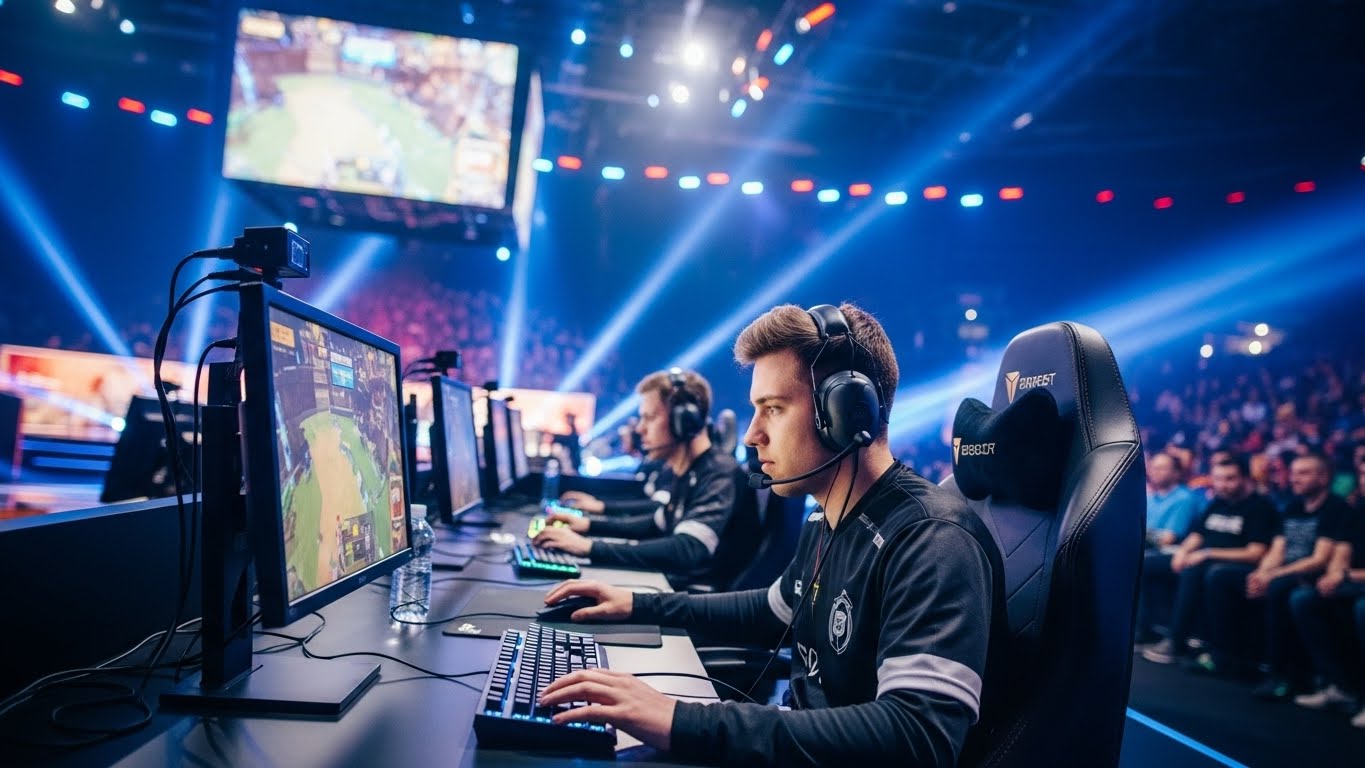
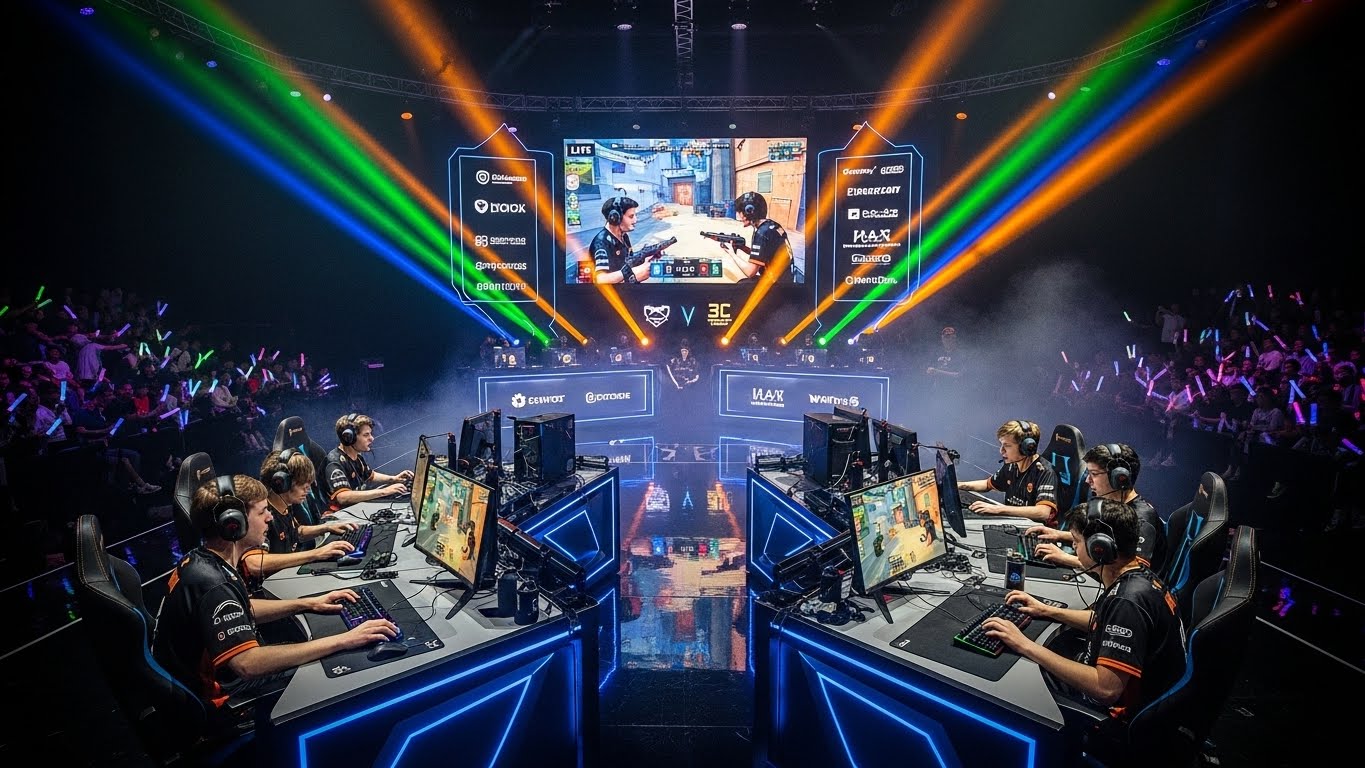
Esports has rapidly transformed from a niche interest into a global competitive spectacle, redefining what it means to be an athlete in the digital age. Once limited to small groups of gaming enthusiasts, competitive video gaming now fills massive arenas, attracts millions of online viewers, and offers life-changing career opportunities. Esports is no longer simply about playing games; it represents discipline, strategy, teamwork, and innovation. This blog explores the journey of esports, its influence on individuals and society, and why it continues to grow as one of the most powerful forms of modern entertainment.
Understanding What Esports Really Is
Esports, short for electronic sports, refers to organized, competitive video gaming where individuals or teams compete under structured rules. These competitions span various genres such as strategy games, shooters, sports simulations, and multiplayer battle games. Unlike casual gaming, esports demands consistent practice, in-depth knowledge of game mechanics, and strategic coordination. Players train for hours daily, analyzing opponents and refining techniques. This competitive structure places esports alongside traditional sports in terms of preparation, dedication, and performance pressure.
The Early Foundations of Competitive Gaming
The roots of esports can be traced back to early arcade competitions where players competed for high scores and recognition. As gaming consoles and personal computers became more accessible, friendly competition evolved into organized tournaments. The rise of local area networks allowed gamers to compete in real time, laying the groundwork for professional play. Over time, advancements in internet connectivity enabled global competition, transforming small-scale events into international tournaments with massive audiences.
The Role of the Internet in Esports Growth
The internet played a crucial role in shaping esports into what it is today. Online multiplayer games allowed players from different regions to compete without physical limitations. Streaming platforms further amplified this growth by allowing fans to watch live matches, interact with players, and follow teams. This accessibility created a sense of global community and fueled the popularity of esports. The digital nature of esports removed traditional barriers, making competitive gaming more inclusive and widespread than many physical sports.
Professional Esports and Career Opportunities
Esports has developed into a professional industry with structured leagues, contracts, and support systems. Professional players sign with organizations that provide salaries, housing, training facilities, and coaching staff. Beyond playing, esports offers careers in coaching, broadcasting, event organization, content creation, marketing, and game design. This ecosystem supports thousands of jobs worldwide, proving that esports is not a temporary trend but a sustainable industry with long-term potential.
Training and Discipline in Esports
Contrary to the belief that gaming lacks discipline, esports athletes follow rigorous training routines. These routines include mechanical skill practice, strategy development, teamwork exercises, and mental conditioning. Many teams also focus on physical fitness to improve reflexes, endurance, and overall health. The commitment required to succeed in esports mirrors that of traditional sports, reinforcing the idea that competitive gaming is a legitimate athletic pursuit.
Mental Skills and Cognitive Development
Esports significantly enhances mental and cognitive abilities. Players must process large amounts of information quickly, make split-second decisions, and adapt strategies in real time. These demands improve problem-solving skills, memory, focus, and reaction time. Competitive gaming also builds emotional resilience, as players learn to handle pressure, setbacks, and high-stakes environments. These mental skills extend beyond gaming, benefiting players in education, careers, and daily life.
Teamwork and Communication
Team-based esports rely heavily on communication and coordination. Players must work together seamlessly, sharing information and executing strategies with precision. Effective teamwork requires trust, adaptability, and mutual respect. These qualities are essential not only in esports but also in professional and social settings. Through competitive gaming, players learn the value of collaboration and leadership, skills that remain valuable throughout life.
Community and Fan Culture
Esports thrives on its passionate community. Fans engage with teams and players through live events, online discussions, and shared experiences. This interactive fan culture creates a strong sense of belonging and identity. Unlike traditional sports, esports allows direct interaction between players and audiences, strengthening emotional connections. Communities often support creativity, inclusivity, and mutual encouragement, making esports a social space as much as a competitive one.
Economic Impact of the Esports Industry
The esports industry has become a significant contributor to the global economy. Revenue streams include sponsorships, merchandise, ticket sales, advertising, and media rights. Large tournaments generate substantial income and boost local economies through tourism and event-related activities. Brands invest heavily in esports to reach younger, tech-savvy audiences. This economic growth highlights esports as a powerful commercial force with influence across multiple industries.
Inclusivity and Accessibility in Esports
One of the most compelling aspects of esports is its accessibility. Physical limitations that affect traditional sports are less restrictive in competitive gaming. Players from diverse backgrounds can compete on equal footing, emphasizing skill and strategy over physical attributes. Initiatives supporting women, differently-abled players, and underrepresented groups continue to expand participation. Esports demonstrates how competition can be inclusive while still maintaining high standards of excellence.
Esports and Education
Educational institutions are increasingly recognizing the value of esports. Schools and universities now offer esports programs that combine competitive play with academic development. These programs promote teamwork, leadership, time management, and strategic thinking. Scholarships and structured training environments provide students with opportunities to pursue both education and competitive gaming. Esports in education also helps challenge outdated stereotypes, showing that gaming can support learning and personal growth.
Health and Wellness Considerations
As esports grows, attention to health and wellness becomes increasingly important. Long hours of practice can lead to physical strain and mental fatigue if not managed properly. Professional teams emphasize balanced routines that include physical exercise, proper nutrition, and mental health support. Awareness of healthy gaming habits ensures that players can sustain long-term careers while maintaining overall well-being. Responsible practices are essential for the continued success of the esports ecosystem.
Challenges Facing the Esports World
Despite its success, esports faces challenges such as burnout, lack of regulation, and concerns about fair play. The pressure to perform at high levels can affect mental health, especially among younger players. Additionally, the rapid growth of esports sometimes outpaces the development of standardized rules and governance. Addressing these challenges requires collaboration among organizations, players, and communities to protect the integrity and future of competitive gaming.
The Cultural Influence of Esports
Esports has become a cultural phenomenon that influences fashion, music, entertainment, and digital trends. Professional players and teams are recognized as cultural icons, inspiring fans worldwide. Esports reflects the values of a digitally connected generation that embraces technology, creativity, and innovation. Its cultural impact extends beyond gaming, shaping how society views competition and success in the modern era.
The Future of Esports
The future of esports is filled with potential. Advances in technology will enhance gameplay, training, and viewing experiences. As esports continues to integrate with mainstream culture, its reach will expand across age groups and regions. Increased investment and institutional support will further legitimize esports as a professional and cultural force. The industry’s adaptability ensures that it will continue to evolve alongside technological and social change.
Conclusion
Esports represents a powerful shift in how competition and entertainment are experienced in the digital age. It combines skill, strategy, discipline, and community into a dynamic global movement. From professional careers to educational opportunities, esports offers pathways for growth and self-expression. While challenges exist, the industry’s commitment to innovation and inclusivity continues to drive its success. Esports is more than a game played on a screen; it is a reflection of modern ambition, creativity, and the human desire to compete and connect. As the digital arena expands, esports stands as a symbol of how technology can redefine sports and culture for generations to come.