
Introduction
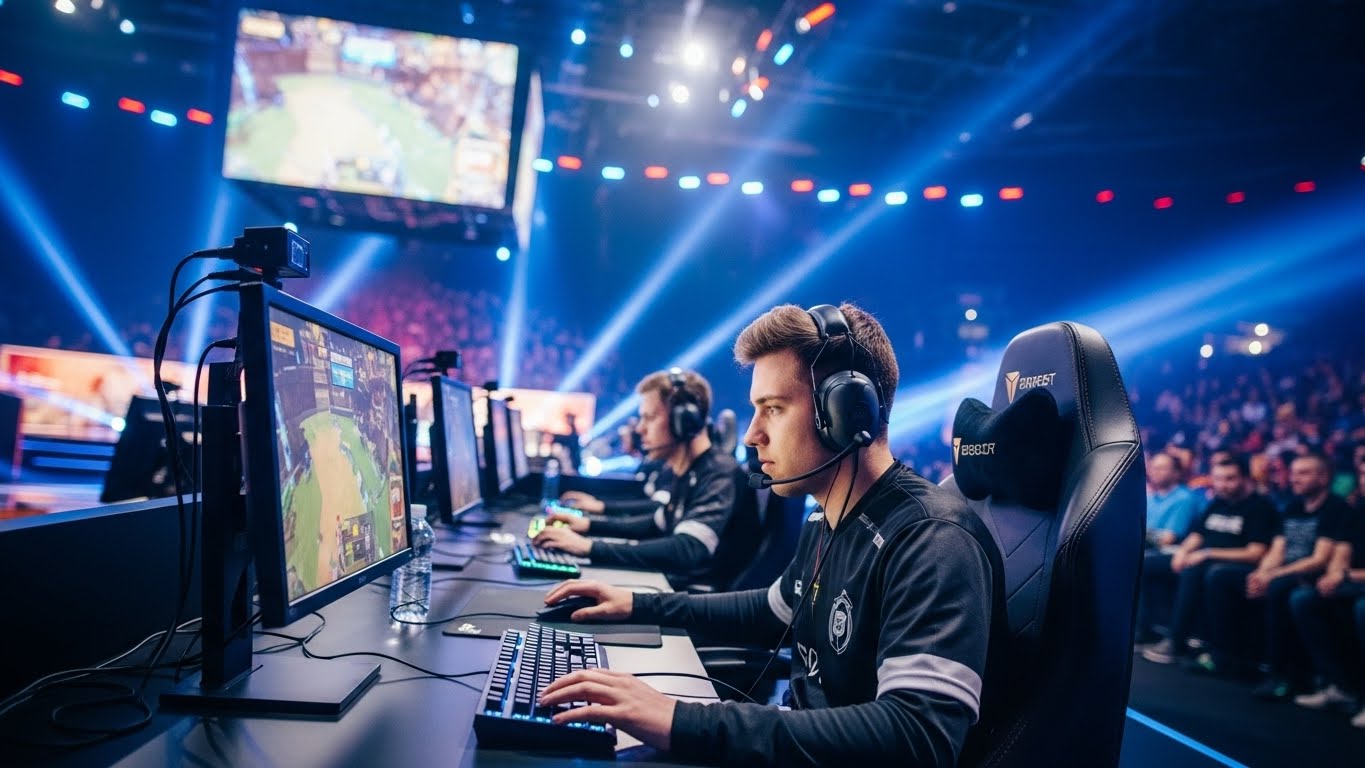
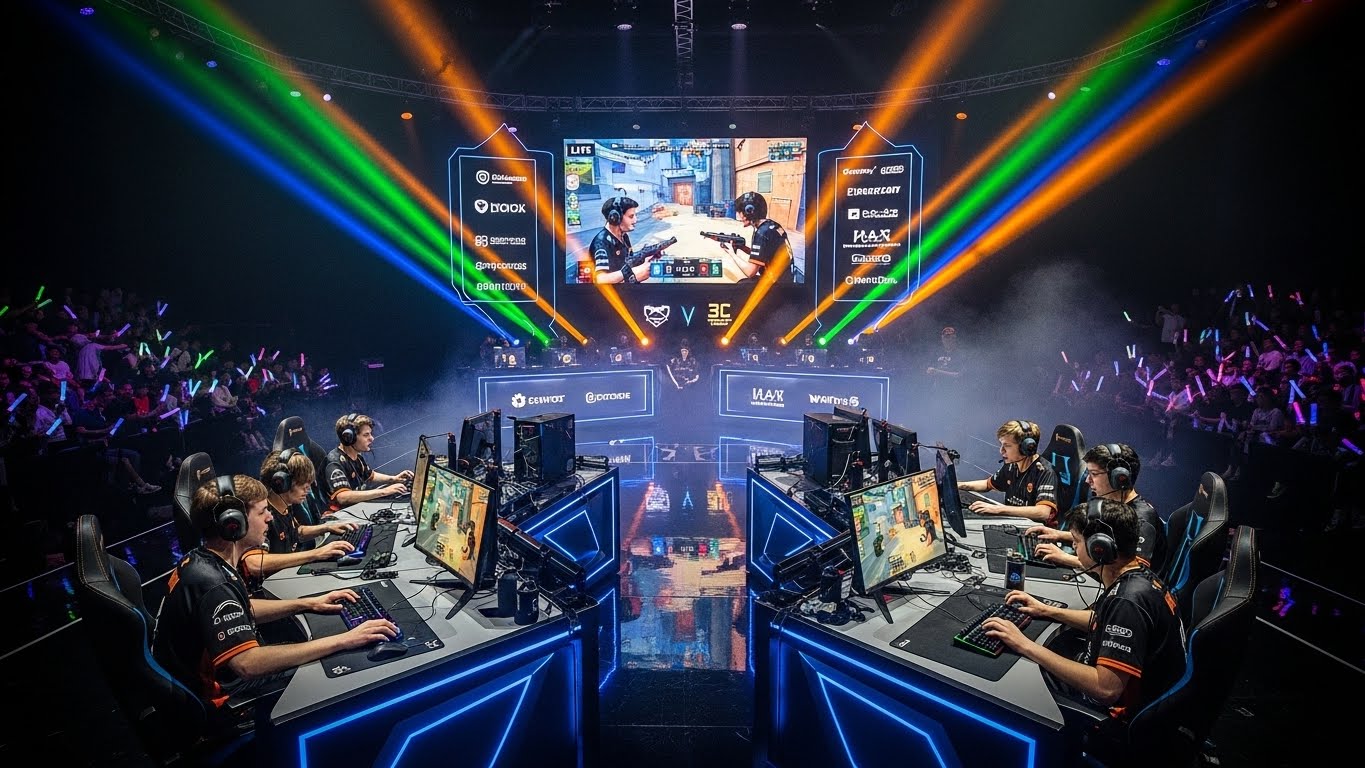
Esports, or competitive video gaming, has evolved from niche hobby to a global phenomenon, transforming entertainment, culture, and even careers. What was once considered a casual pastime is now a professional arena where players dedicate countless hours to mastery, tournaments attract millions of viewers, and sponsors invest billions. Esports has transcended traditional gaming, shaping communities, fostering innovation, and influencing the way we perceive sports and competition in the 21st century. This blog explores the rise of esports, its impact on individuals and society, and why it has become a defining part of modern culture.
The Evolution of Esports
Esports did not emerge overnight. Its roots trace back to the 1970s and 1980s when video games like Space Invaders and Pac-Man captivated players worldwide. Early competitive gaming events were small, local gatherings with limited audiences. The real transformation began with the rise of the internet and online multiplayer games, which allowed gamers to connect and compete globally. Titles like StarCraft, Counter-Strike, and League of Legends became catalysts for professional esports leagues. Today, esports encompasses a vast array of genres, from first-person shooters and real-time strategy games to battle royale and fighting games, attracting diverse audiences and players.
Professionalization and Career Opportunities
One of the most remarkable aspects of esports is its professionalization. Talented players can now pursue full-time careers, earning salaries, sponsorships, and prize money that rival traditional sports athletes. Esports organizations recruit and train players rigorously, employing coaches, analysts, nutritionists, and psychologists to optimize performance. Beyond playing, careers in esports include shoutcasting, content creation, event management, and game development. The industry has created a structured ecosystem where talent, discipline, and strategy determine success, proving that esports is not just entertainment—it is a legitimate profession.
Mental and Cognitive Benefits of Esports
Contrary to common misconceptions, esports provide significant cognitive and mental benefits. Competitive gaming enhances strategic thinking, problem-solving, hand-eye coordination, and multitasking abilities. Players must make split-second decisions, analyze complex situations, and adapt strategies dynamically. Moreover, esports can foster resilience and focus, as players navigate wins, losses, and continuous improvement. These skills are transferable to academic, professional, and social contexts, demonstrating that esports is not merely about gaming—it is a platform for mental development and cognitive growth.
Community and Social Connections
At its core, esports is about community. Online gaming creates connections across countries, languages, and cultures, fostering friendships and teamwork. Platforms like Twitch and Discord allow players and fans to interact, discuss strategies, and build support networks. For many, esports is a social lifeline, providing a sense of belonging and shared identity. Esports communities also celebrate creativity and inclusivity, offering opportunities for players of all backgrounds to participate and excel. The social fabric of esports strengthens interpersonal skills, collaboration, and cultural exchange in ways traditional sports sometimes cannot replicate.
The Economic Impact of Esports
Esports has become an economic powerhouse. Global revenue from tournaments, sponsorships, media rights, merchandise, and advertising continues to grow at unprecedented rates. Major events like The International, League of Legends World Championship, and Fortnite World Cup generate millions of dollars in prize money and attract tens of millions of viewers. The economic ecosystem extends to streaming platforms, gaming peripherals, event organizers, and marketing agencies, creating employment and investment opportunities worldwide. Esports is not only entertainment—it is a dynamic economic sector that fuels innovation, entrepreneurship, and technological advancement.
Inclusivity and Diversity in Esports
Esports has the potential to be more inclusive than traditional sports. Gender, age, and physical ability are less restrictive, allowing a wider range of participants to compete. Women’s esports leagues and initiatives promoting diversity are gradually gaining visibility, challenging stereotypes and encouraging equal representation. Adaptive technologies and accessible games provide opportunities for differently-abled players to participate at competitive levels. Esports emphasizes meritocracy: success is determined by skill, strategy, and practice rather than physical attributes, creating a level playing field that fosters inclusivity and empowerment.
Technological Innovation and Esports
Technology lies at the heart of esports. Advances in gaming hardware, high-speed internet, cloud computing, and virtual reality continue to reshape the industry. Performance analytics, AI coaching tools, and streaming technology allow players to improve, fans to engage, and tournaments to operate seamlessly. Esports drives innovation in graphics, software optimization, and interactive experiences, influencing broader gaming and entertainment industries. Technology is both a facilitator and a catalyst for esports growth, transforming how players train, how fans watch, and how competitions unfold in the digital era.
Esports and Education
Esports has begun to intersect with education, offering new pathways for learning and personal development. Schools and universities worldwide are establishing esports programs, scholarships, and training facilities, recognizing the value of strategic thinking, teamwork, and leadership skills gained through competitive gaming. Student-athletes in esports learn time management, discipline, and resilience while pursuing academic goals. Educational institutions integrating esports create a bridge between gaming culture and career opportunities, legitimizing esports as a meaningful educational tool that complements traditional learning.
Global Reach and Cultural Significance
Esports is a global phenomenon that transcends borders. Professional tournaments attract international audiences, bringing together fans from diverse cultures in shared enthusiasm. Popular games and players become cultural icons, influencing fashion, media, and popular culture. Esports represents a new form of global entertainment where language, geography, and nationality are secondary to skill, strategy, and teamwork. Its cultural significance continues to grow, shaping the identity of a generation that views digital interaction, gaming, and online communities as integral to modern life.
Health Considerations in Esports
While esports offers many benefits, it also poses challenges, particularly regarding physical and mental health. Extended screen time, sedentary lifestyles, and high-stress competition can lead to health concerns such as eye strain, back problems, and burnout. Leading esports organizations emphasize the importance of physical fitness, regular breaks, mental health support, and balanced lifestyles for players. Awareness campaigns and professional guidance ensure that esports participants maintain both competitive performance and overall well-being, highlighting the need for a holistic approach to gaming.
The Future of Esports
The future of esports appears promising and transformative. Continued growth in viewership, investment, and technology will expand its influence across entertainment, education, and business. Emerging technologies such as augmented reality, virtual reality, and AI-driven analytics will redefine gameplay, training, and spectator experiences. Esports is likely to become increasingly integrated into mainstream culture, influencing how society perceives competition, entertainment, and digital interaction. Its evolution will continue to blur the lines between traditional sports and digital gaming, creating new opportunities for players, fans, and industries worldwide.
Conclusion
Esports is no longer simply a form of entertainment—it is a cultural, economic, and educational force shaping the modern world. It empowers individuals through skill development, fosters social connections, drives technological innovation, and creates global communities. Professionalization, inclusivity, and economic impact demonstrate its legitimacy and sustainability as a career and industry. While challenges related to health and competition exist, esports continues to offer opportunities for growth, learning, and engagement. Beyond the screen, esports teaches valuable life lessons about strategy, resilience, teamwork, and perseverance. Its influence will continue to grow, redefining what it means to compete, connect, and succeed in the digital age.