Introduction: The Rise of a New Era in Competitive Entertainment
Over the past decade, esports has transformed from a niche hobby enjoyed by small communities into a global phenomenon commanding millions of viewers, massive tournament prize pools, and professional players who train with the intensity of traditional athletes. What was once perceived as casual gaming has developed into a professional, structured ecosystem with leagues, sponsors, coaches, analysts, and dedicated fanbases. Today, esports stands shoulder-to-shoulder with mainstream sports in popularity and cultural influence. This blog explores how esports rose to prominence, why it resonates with younger generations, and what the future might hold for this fast-growing industry.
The Evolution of Competitive Gaming
Competitive gaming dates back to the early arcade era, when players gathered around machines to set high scores. However, the true spark of esports ignited with the advent of personal computers and the internet. Games like StarCraft, Counter-Strike, and Warcraft III laid the foundation for organized tournaments and international competitions. What began as small gatherings in community centers or cyber cafés gradually expanded into large events held in stadiums.
The early 2000s saw the formation of dedicated esports organizations and leagues, marking the beginning of structured competition. Game developers began to recognize the value of esports and started building features designed specifically for competitive play, such as ranked modes and spectator tools. This professionalization set the stage for exponential growth in the years that followed.
The Role of Technology in Esports Growth
Technological advancements have played a massive role in elevating esports to global prominence. High-speed internet allowed players from different continents to compete in real time, breaking down geographical limitations. Streaming platforms provided the perfect medium for broadcasting tournaments to millions without the need for traditional television networks.
Better hardware, from powerful PCs to advanced gaming consoles, enabled developers to create visually stunning, immersive games that attracted diverse audiences. With each improvement in technology came a surge in participation. As games became more sophisticated, so too did the strategies and teamwork required to win. This evolution helped transform esports into a legitimate profession requiring dedication, skill, and practice.
The Professional Esports Structure
Modern esports mirrors traditional sports in surprising ways. Professional players often sign contracts with esports organizations, receiving salaries, performance incentives, and sponsorships. Many teams have coaches who study opponents, design strategies, and analyze player performance. Nutritionists, psychologists, and physical trainers are also becoming more common as teams recognize the importance of physical and mental well-being.
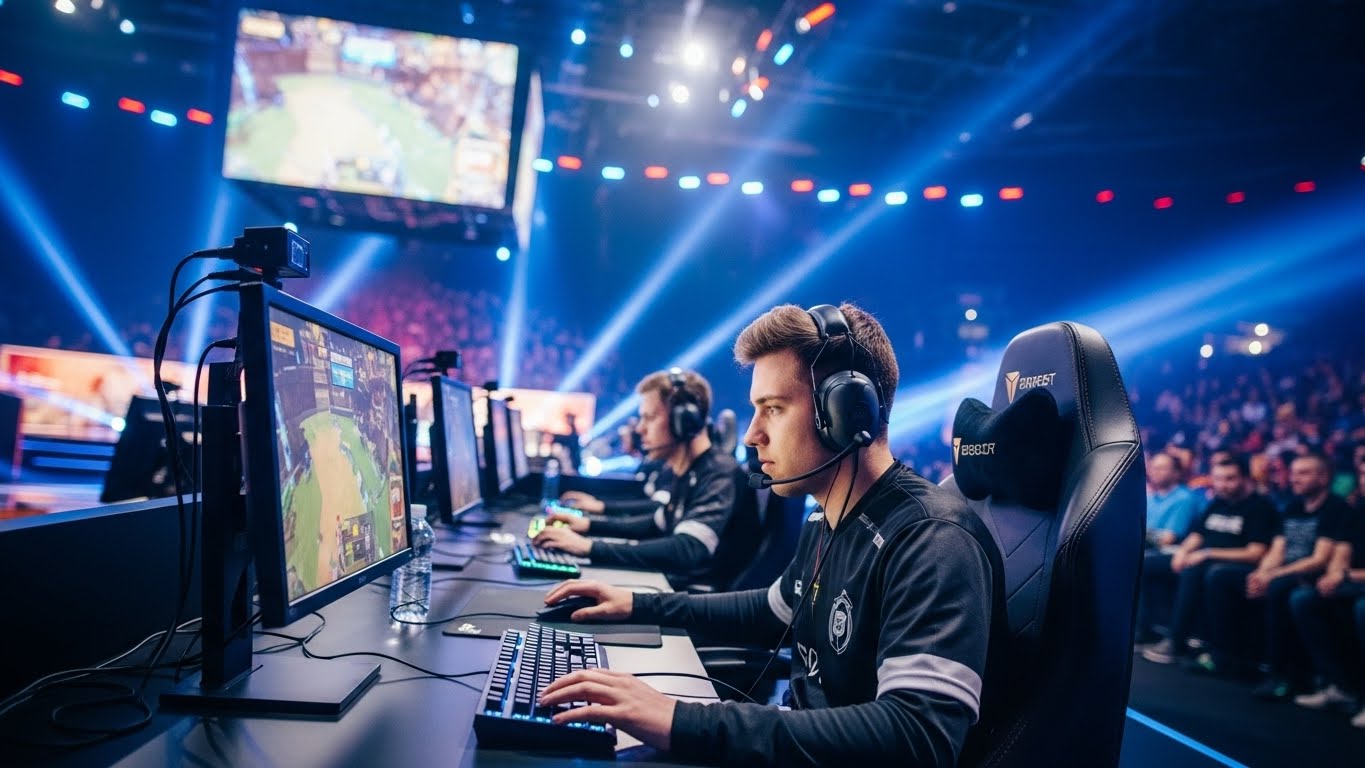
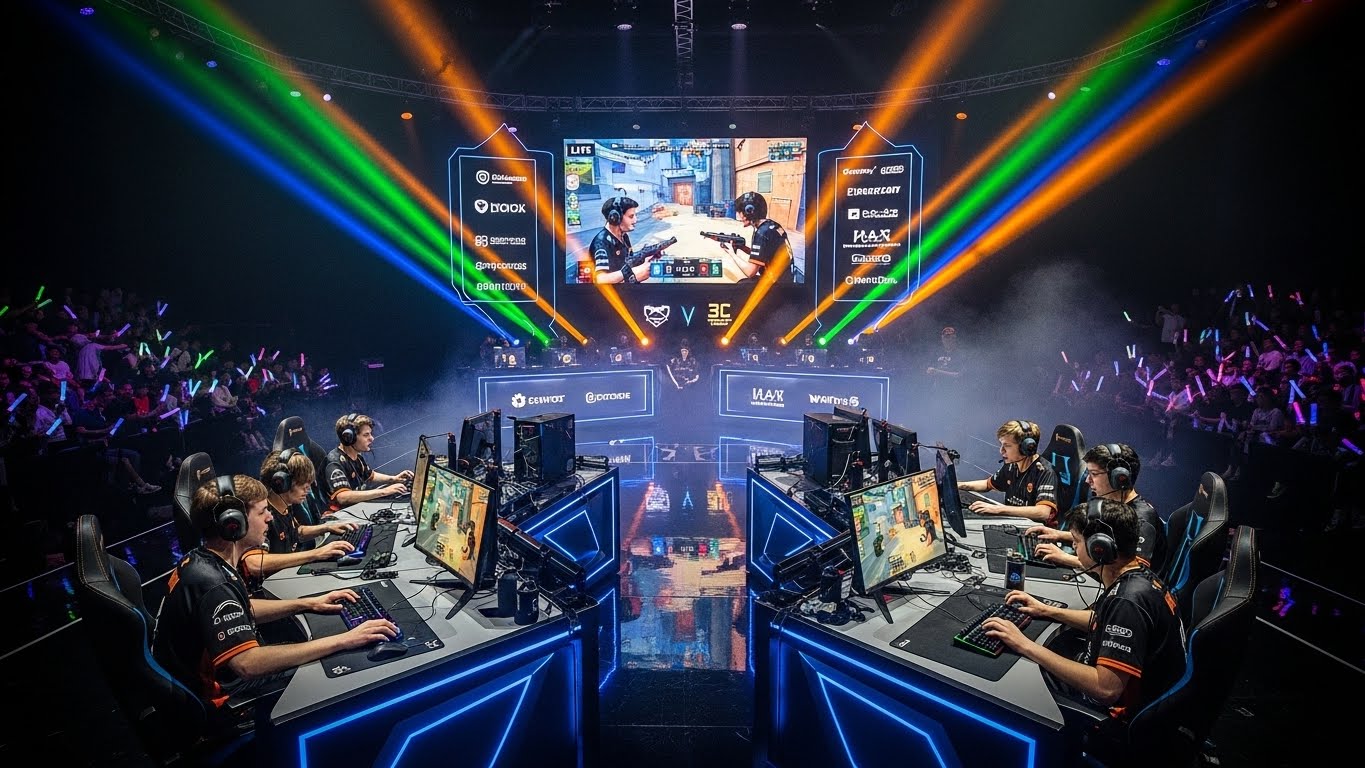
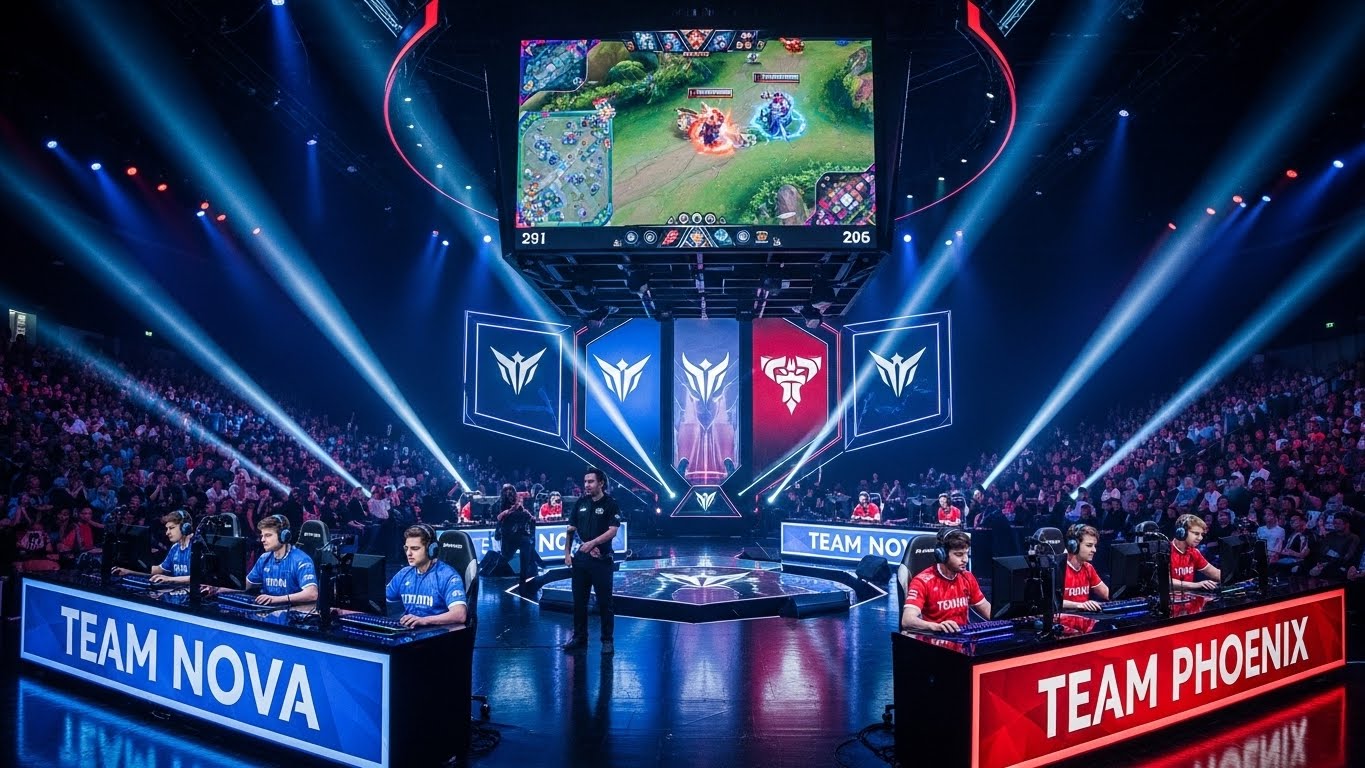
Tournaments range from regional qualifiers to international championships, with some events drawing tens of thousands of live spectators. Prize pools can reach millions, providing both financial support and international visibility for successful teams. The level of professionalism in esports continues to rise as organizations adopt sports science and advanced training techniques.
Popular Esports Titles and Their Appeal
Esports covers a wide range of game genres, each with its own unique appeal. Multiplayer online battle arena games like League of Legends and Dota 2 emphasize strategic depth and teamwork. First-person shooters such as Counter-Strike and Valorant focus on precision, reaction time, and tactical coordination. Battle royale games like Fortnite offer fast-paced action and unpredictable outcomes, attracting massive audiences with their spectacular highlights.
Sports simulation titles like FIFA and racing games bring traditional sports fans into the esports world, while fighting games like Street Fighter showcase one-on-one skill and intense mechanical mastery. Each title has a dedicated community, and together they form the diverse and vibrant ecosystem that defines esports today.
The Global Reach and Cultural Influence of Esports
One of the most remarkable characteristics of esports is its global reach. Players and fans come from every continent, making esports a truly international movement. Countries such as South Korea, China, and the United States are recognized as major esports hubs, but participation extends to regions such as Europe, Southeast Asia, and South America.
Esports has become a cultural touchstone for younger generations who grew up with digital entertainment. It has influenced fashion, music, and even education. Universities now offer esports scholarships and degrees in game design, management, and broadcasting. Music artists collaborate with game developers, while influencers and streamers help bridge gaming culture with mainstream media.
Esports as a Career Path
For many young people, esports represents not just entertainment but an achievable career. Professional players often start training in their early teens, dedicating countless hours to mastering mechanics, game knowledge, and teamwork. Although only a small percentage reach the professional level, the broader industry offers numerous opportunities.
Careers in esports include coaching, broadcasting, journalism, event management, marketing, game development, and community management. Content creation has also become a major avenue, with streamers and influencers building successful personal brands. The growth of the industry ensures that new roles continue to emerge, making esports a dynamic field with diverse possibilities.
Challenges Facing the Esports Industry
Despite its rapid growth, esports faces several challenges that must be addressed for long-term stability. Player burnout is a significant concern due to intense training schedules and constant travel. Unlike traditional sports, many esports players reach their peak in their late teens or early twenties, leading to short careers.
Regulation is another challenge. Different games and regions have varying rules, making it difficult to establish universal standards. Issues such as doping prevention, match fixing, and fair compensation require ongoing attention. Additionally, some titles depend heavily on their developers, meaning the future of certain competitive scenes can be uncertain.
Another challenge is ensuring inclusivity and diversity within the community. While esports has made progress, there is still work to be done in creating welcoming spaces for women, newcomers, and people from underrepresented backgrounds.
The Impact of Esports on Traditional Sports
Esports has had a noticeable impact on traditional sports, prompting athletic organizations to explore digital avenues. Many sports teams have launched their own esports divisions, recognizing the value of engaging younger audiences. Events that merge digital and physical sports experiences have become more common, highlighting the synergy between the two worlds.
Traditional broadcasters also increasingly cover esports events, acknowledging their growing popularity. Some argue that esports may eventually rival or surpass traditional sports in viewership, especially as technology becomes even more integrated into everyday life.
The Future of Esports
The future of esports looks exceptionally bright. Advancements in virtual reality and augmented reality may create entirely new forms of competitive gaming. Mobile esports, particularly strong in Asia, are expected to grow even further as smartphones become more powerful and accessible. More educational institutions will embrace esports, offering structured programs that prepare students for careers in the industry.
Esports could also become a part of global sporting events, with ongoing discussions about including competitive gaming in international multi-sport competitions. As the line between physical and digital entertainment continues to blur, esports is positioned to be a dominant force in the future of global culture.
Conclusion: A New Chapter in Sports and Entertainment
Esports is far more than just playing games. It is a complex, evolving industry that brings people together, inspires new career paths, and pushes the boundaries of what competition can look like in the digital age. As technology continues to advance and younger generations redefine entertainment, esports stands at the forefront of a cultural revolution.
What once started in dimly lit arcades has become a global powerhouse of innovation, community, and competition. Whether you are a player, a fan, or a curious observer, there is no denying that esports has reshaped the world of entertainment and will continue to do so for years to come.