Introduction: The New Frontier of Competitive Gaming
Esports, or electronic sports, has emerged as one of the fastest-growing forms of entertainment and competition in the modern era. Once considered a niche hobby for gamers, esports has evolved into a global phenomenon, attracting millions of viewers, sponsors, and professional players. Unlike traditional sports, esports thrives in a digital environment, leveraging technology to create competitive experiences that are accessible worldwide. This dynamic industry encompasses a variety of games, from first-person shooters and real-time strategy games to battle royale and sports simulations. The rise of esports demonstrates how gaming has transcended casual play to become a serious, organized, and highly lucrative pursuit. This article explores the multifaceted world of esports, highlighting its cultural impact, economic significance, and potential for the future.
The Evolution of Esports
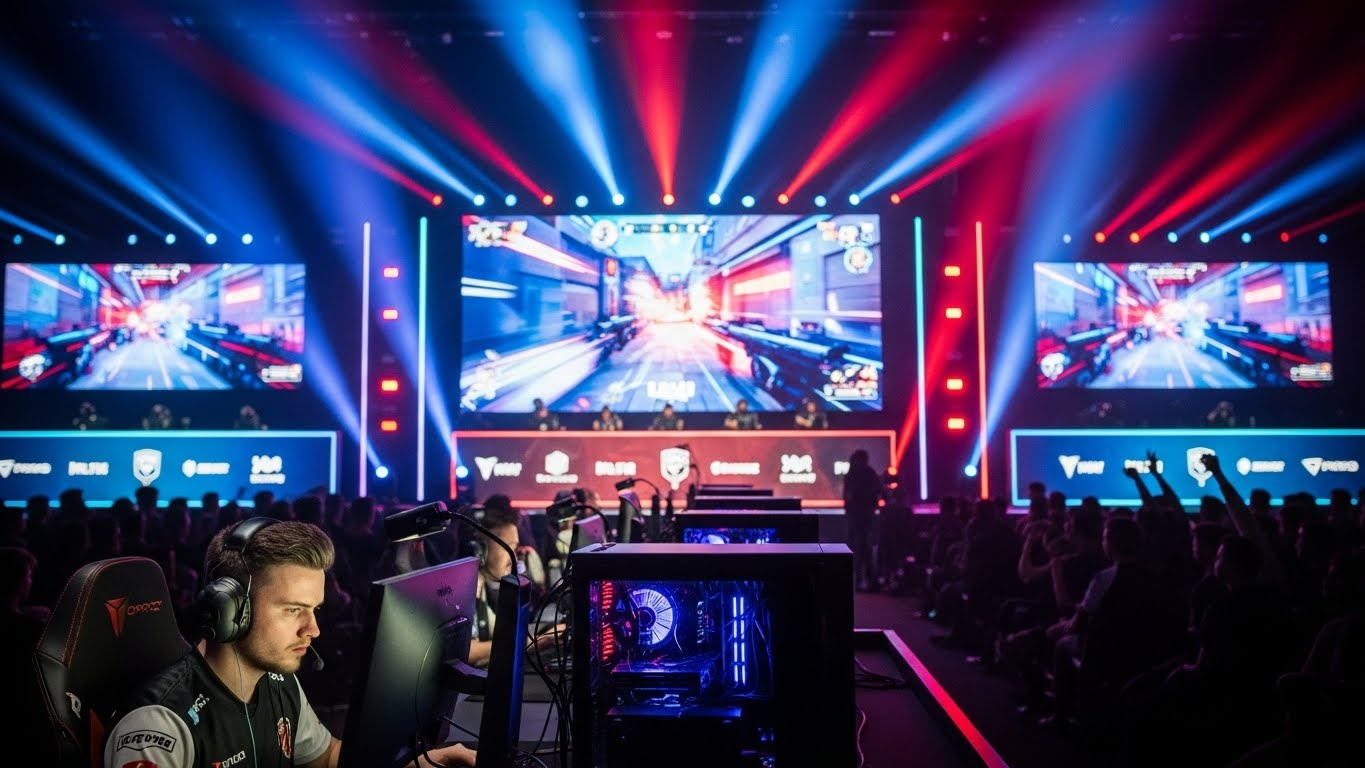
Esports has a rich history that dates back to the 1970s when simple arcade games sparked competitive tournaments. The term “esports” became more widely recognized in the late 1990s with the proliferation of multiplayer online games. Titles such as StarCraft, Counter-Strike, and Warcraft III laid the foundation for organized competitions, attracting dedicated communities and early sponsorships. The early 2000s witnessed the growth of online streaming platforms, which allowed fans to watch matches in real time, further popularizing esports. Today, tournaments like The International for Dota 2 and the League of Legends World Championship draw millions of viewers globally and offer prize pools worth millions of dollars. The evolution of esports illustrates the rapid transformation of gaming from a leisure activity to a professional, structured, and globally recognized industry.
The Popularity of Esports
The popularity of esports can be attributed to several factors, including accessibility, diversity of games, and the rise of online communities. Unlike traditional sports that may require physical training and facilities, esports can be played by anyone with a computer or gaming console. This inclusivity allows players of different ages, genders, and backgrounds to compete on a level playing field. Additionally, the variety of genres in esports caters to diverse interests, whether it is strategic thinking, fast reflexes, teamwork, or individual skill. Online communities, forums, and social media platforms further amplify engagement, allowing fans to interact with players, share strategies, and participate in discussions. Esports has become not just a competition but a cultural movement, fostering a sense of belonging and shared enthusiasm among millions worldwide.
Physical and Mental Demands of Esports
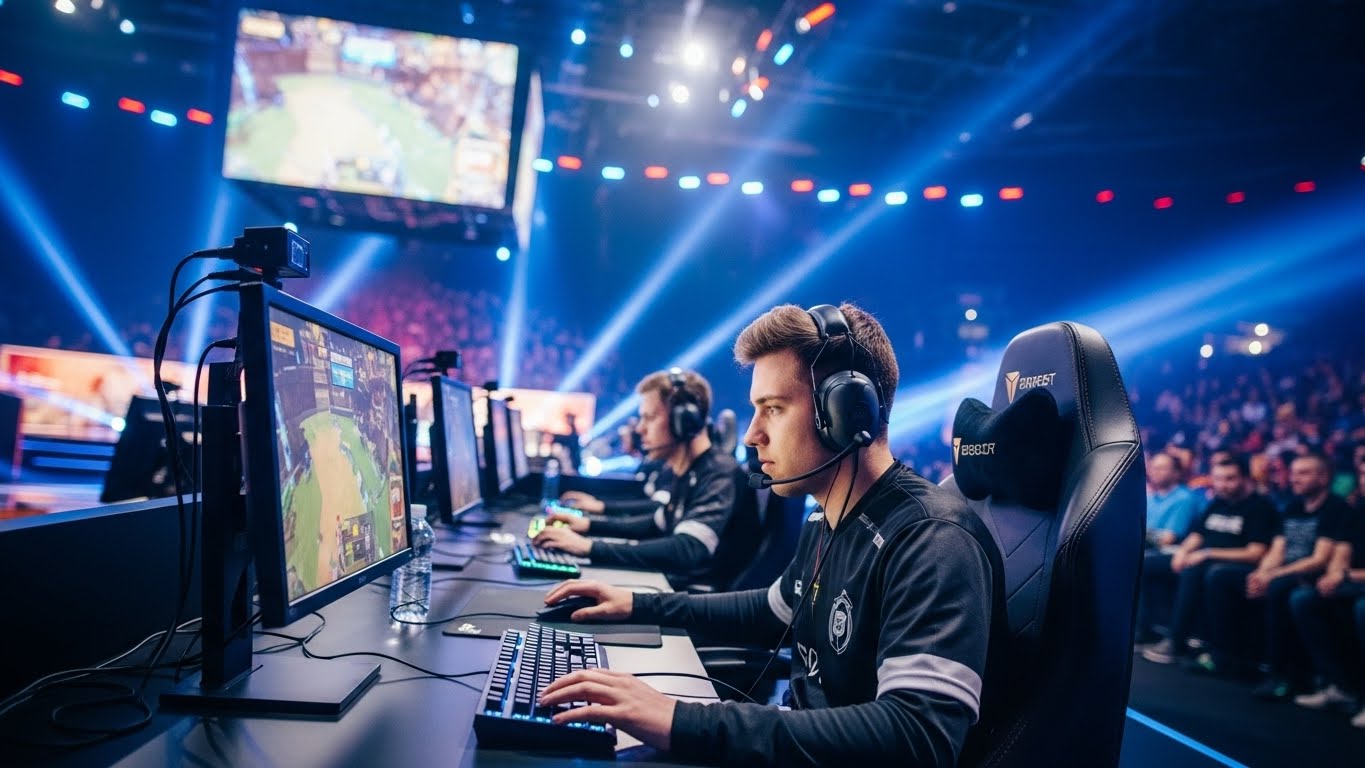
While esports may not require traditional physical exertion, it demands a high level of mental acuity, reflexes, and endurance. Professional players undergo rigorous training schedules, often practicing for eight to twelve hours a day to refine skills, develop strategies, and maintain peak performance. Hand-eye coordination, reaction time, and cognitive processing speed are critical to success. Mental resilience is equally important, as players must handle intense pressure, adapt to changing game scenarios, and recover from setbacks quickly. Nutrition, exercise, and sleep are increasingly recognized as essential components of an esports athlete’s regimen, demonstrating that peak performance requires a holistic approach. The physical and mental demands of esports illustrate that competitive gaming is not simply entertainment but a serious discipline requiring dedication, focus, and perseverance.
Esports and Teamwork
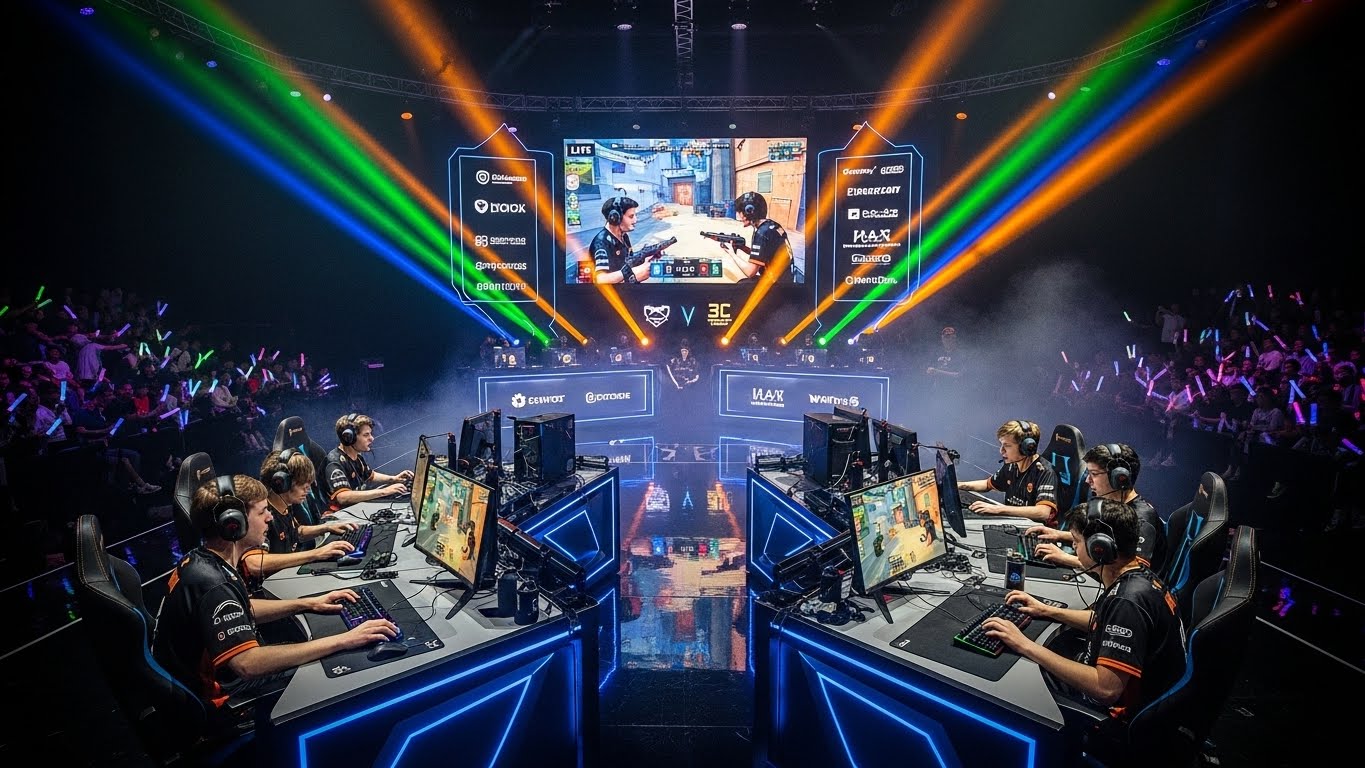
Many esports titles are team-based, emphasizing the importance of communication, collaboration, and strategy. Games like League of Legends, Overwatch, and Dota 2 require players to work together to achieve objectives, coordinate attacks, and make split-second decisions. Successful teams exhibit strong leadership, trust, and synergy, qualities that mirror traditional sports dynamics. Even in individual-centric games, players often rely on coaches, analysts, and support staff to enhance performance. This teamwork aspect not only improves gameplay but also fosters essential life skills such as cooperation, conflict resolution, and leadership. Esports demonstrates that collaboration, planning, and adaptability are just as critical in digital arenas as they are on physical fields.
The Economic Impact of Esports
Esports has grown into a multi-billion-dollar industry, impacting economies and creating career opportunities worldwide. Revenue streams include sponsorships, advertising, ticket sales, media rights, merchandise, and in-game purchases. Professional esports players can earn substantial incomes through tournament winnings, salaries, and endorsements, while streamers and content creators build personal brands that generate income from subscriptions and donations. Esports organizations operate like traditional sports franchises, hiring managers, coaches, analysts, and marketing teams to maximize performance and profitability. Moreover, esports tournaments boost local economies by attracting visitors, generating tourism, and promoting technology-related industries. The economic impact of esports underscores its legitimacy as a professional and financially viable sector.
Esports as a Career Path
A growing number of individuals are pursuing esports as a career, ranging from professional players to content creators, coaches, commentators, and analysts. Unlike traditional career paths, esports offers a unique combination of skill, creativity, and entrepreneurship. Professional players often begin in grassroots competitions or online streaming before joining established teams or leagues. Coaches and analysts leverage data, statistics, and strategy to optimize team performance, while commentators provide live analysis that engages audiences. Content creators use platforms such as Twitch and YouTube to build personal brands and monetize their influence. Esports careers require discipline, adaptability, and continuous learning, reflecting the evolving nature of the industry.
Esports and Education
Esports has also entered educational spaces, with universities and schools creating dedicated programs, scholarships, and teams. Institutions recognize the potential of esports to develop critical skills such as strategic thinking, teamwork, and communication. Students can pursue degrees in game design, esports management, or digital media while actively participating in competitions. Educational esports programs provide opportunities for mentorship, networking, and skill development, preparing students for diverse careers in technology, entertainment, and sports management. By integrating esports into formal education, institutions acknowledge the growing influence of digital competition while equipping students with practical and transferable skills.
The Cultural Significance of Esports
Esports has become a cultural phenomenon, influencing media, fashion, entertainment, and social interaction. Tournaments are broadcast to millions, attracting celebrities, influencers, and mainstream media attention. Cosplay, fan art, and merchandise contribute to vibrant subcultures that celebrate creativity and fandom. Esports has also fostered inclusivity, offering a platform for underrepresented groups and promoting diversity in participation and leadership. Social interaction through online platforms and communities enables fans to form connections, exchange knowledge, and celebrate shared passions. The cultural significance of esports lies not only in competition but in its ability to shape identity, community, and global entertainment trends.
Technology Driving Esports
The growth of esports is inseparable from technological advancement. High-speed internet, streaming platforms, gaming hardware, and software innovations have created an environment where competitive gaming can thrive. Virtual reality, augmented reality, and artificial intelligence are beginning to influence esports training, strategy, and fan engagement. Data analytics helps teams optimize performance by tracking player movements, reaction times, and decision-making patterns. Technology also expands access, allowing players from remote regions to compete and fans to watch events from anywhere in the world. The symbiotic relationship between esports and technology highlights how digital innovation can redefine the nature of competition and entertainment.
Challenges in Esports
Despite its rapid growth, esports faces several challenges. Concerns about player health, including physical strain, mental stress, and burnout, require ongoing attention. Issues such as cheating, doping, and gambling have surfaced, highlighting the need for regulation and ethical oversight. Gender disparity and limited representation of women and minorities remain areas for improvement. Additionally, the rapid commercialization of esports risks prioritizing profits over player well-being and community engagement. Addressing these challenges is critical to ensuring sustainable growth, credibility, and inclusivity within the industry.
The Future of Esports
The future of esports promises continued expansion, innovation, and mainstream recognition. Emerging technologies, increasing sponsorships, and global tournaments are likely to further elevate the industry. Virtual and augmented reality may create more immersive spectator experiences, while artificial intelligence could revolutionize training and strategy. Esports may also play a role in bridging digital divides, providing opportunities for education, career development, and community building. As societal acceptance grows, esports is poised to become an integral part of global entertainment and professional sports landscapes. The trajectory of esports suggests that digital competition is no longer a niche interest but a transformative cultural and economic force.
Conclusion: Beyond Gaming
Esports has evolved from a hobby into a legitimate, organized, and globally recognized form of competition. It combines skill, strategy, teamwork, and technology to create experiences that rival traditional sports in intensity and popularity. Beyond entertainment, esports fosters personal growth, career opportunities, cultural expression, and economic development. As the industry continues to innovate and expand, esports redefines the meaning of competition in the digital age. Whether as a player, fan, or industry professional, engaging with esports offers opportunities to connect, learn, and thrive in ways that go far beyond gaming itself. The rise of esports exemplifies how human creativity, technology, and competitive spirit can converge to create a phenomenon that resonates across generations and borders.