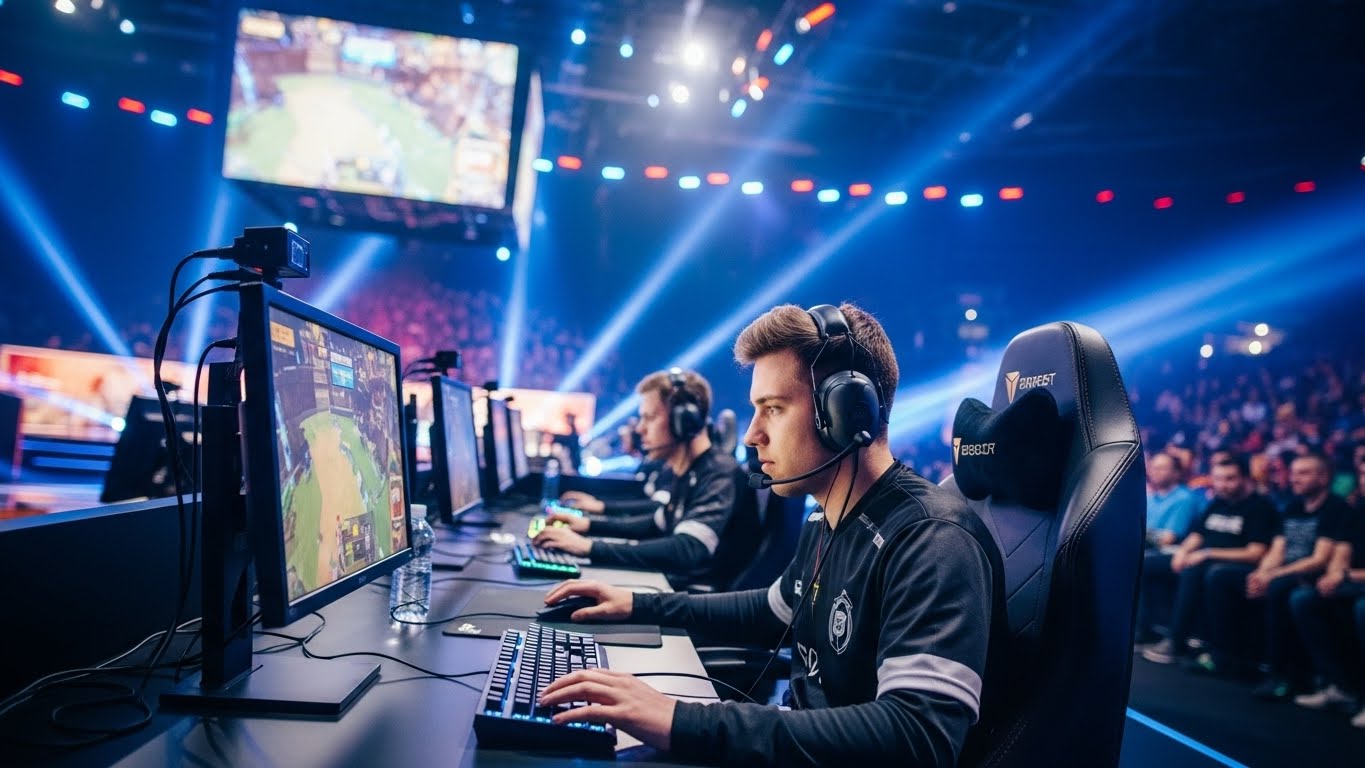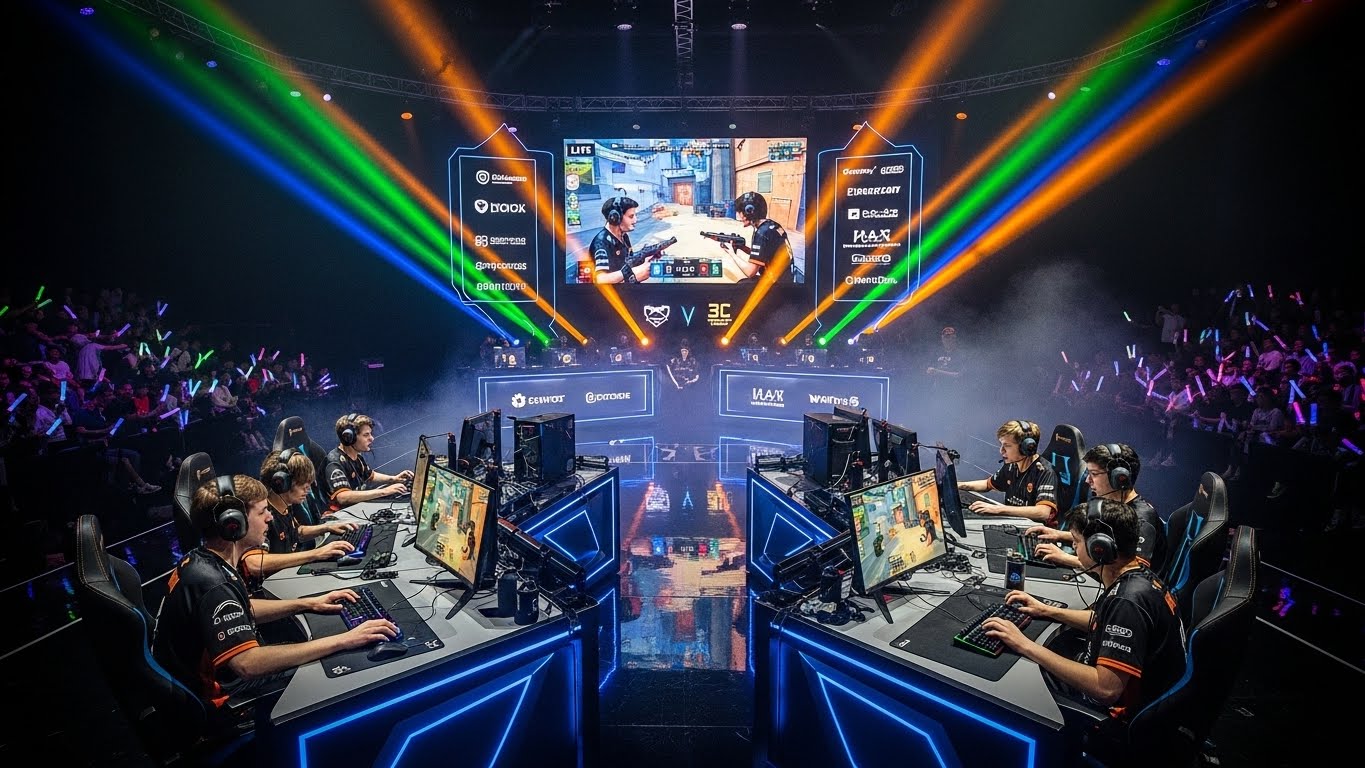
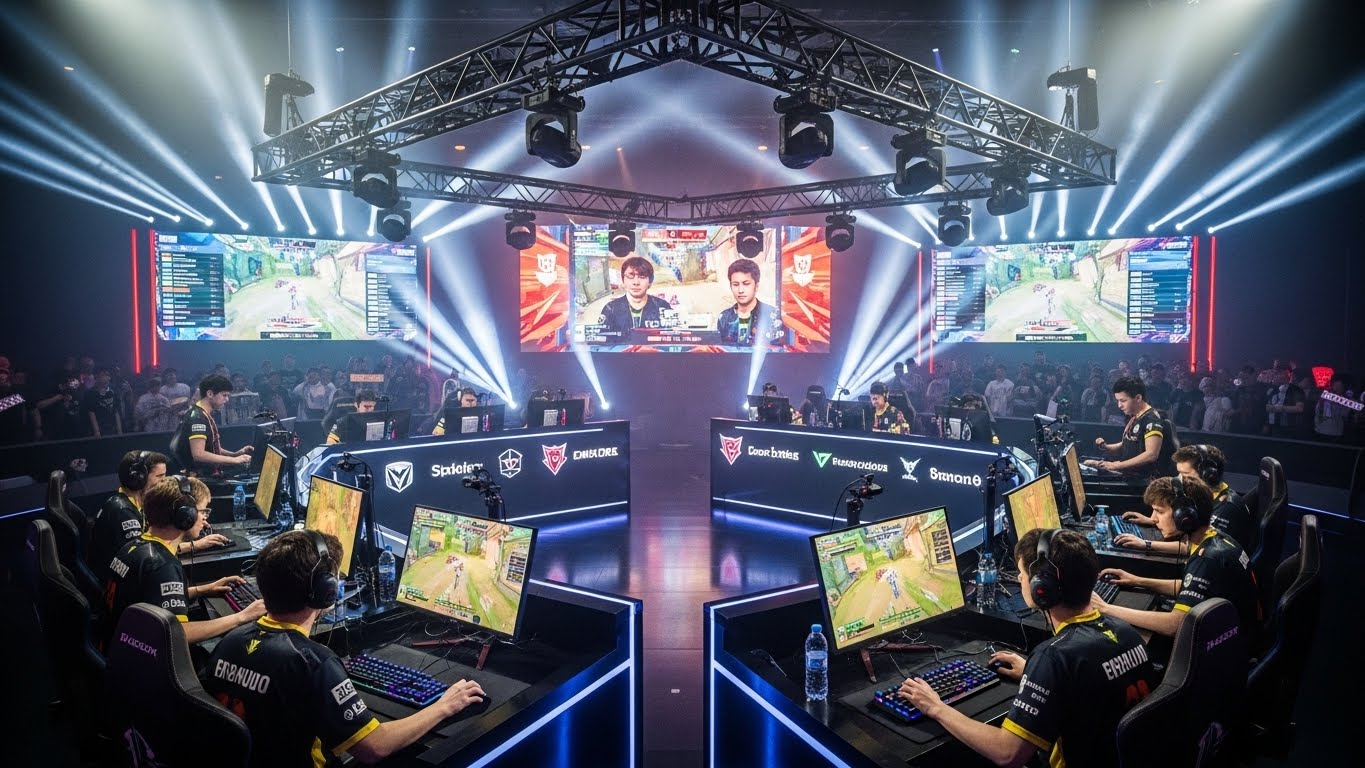
Esports has transformed from a small subculture of competitive gaming into one of the most powerful entertainment industries in the world. Millions of fans, professional athletes, high-stakes tournaments, and an ever-growing global economy now define a space that was once considered a simple hobby. Today, esports stands shoulder to shoulder with traditional sports, influencing culture, technology, education, and business. This blog explores the rise, structure, impact, and future of this digital phenomenon, revealing why esports has become one of the most important forms of modern entertainment.
The Early Origins of Competitive Gaming
The story of esports began with the simplest form of competition: high scores. Arcade machines in the 1970s and 1980s often featured competitive leaderboards, encouraging players to outperform one another. These small rivalries sparked the spirit of competition long before esports had an official name.
The introduction of home consoles expanded gaming into living rooms, allowing friends and family to compete directly. However, the true turning point arrived with the rise of personal computers, which provided the processing power needed for advanced multiplayer games. Titles like Quake, StarCraft, and Counter-Strike created online communities full of strategy, teamwork, and ambition. Amateur tournaments emerged, slowly building the foundation for the structured esports scene we know today.
The Explosion of Online Gaming
The internet changed everything. With the improvement of online connectivity, players no longer needed to gather physically to compete. They could log in, join a server, and face opponents from around the world. This global accessibility became the driving force behind the explosive growth of esports.
Gaming communities formed across forums and chat platforms, creating spaces where players could share strategies, arrange matches, and form teams. The competitive ecosystem expanded rapidly, and as skill levels rose, the need for professional leagues became clear. By the early 2000s, tournaments attracted large crowds, serious sponsorships, and significant prize pools.
The Rise of Professional Esports
As more players began dedicating themselves to mastering their favorite games, professional organizations emerged to support them. Teams signed athletes, hired coaches, and built training facilities. These organizations structured themselves similarly to traditional sports teams, complete with branding, merchandise, and professional management.
Professional players committed hours each day to practice, developing exceptional mechanical skill, reaction time, and strategic thinking. Analysts studied gameplay footage, coaches refined team communication, and medical professionals helped players maintain their health. Esports evolved into a legitimate sporting profession requiring discipline, resilience, and teamwork.
Today, professional esports organizations compete in global leagues where millions of fans watch live events. By combining entertainment, high skill, and international competition, esports has become one of the most dynamic industries in modern culture.
The Variety of Esports Games
One of the biggest strengths of esports is its wide range of genres. Each category appeals to different types of players and fans, creating a vibrant and diverse ecosystem.
Multiplayer Online Battle Arenas challenge players with strategy, map control, and team coordination. Games in this genre require long-term planning and the ability to adapt to constantly changing situations.
First-Person Shooters focus on precision, speed, and tactical execution. Teams rely on sharp reflexes and synchronized communication to win.
Battle Royale games attract large audiences with their high-pressure survival format, where dozens of players compete until only one team or individual remains.
Real-time strategy games require deep planning and resource management, appealing to fans who enjoy tactical thinking and multitasking.
Sports simulations appeal to players who want virtual versions of traditional sports, while fighting games focus heavily on one-on-one skill and complex move sets.
This range ensures that esports remains inclusive, offering something for every kind of gamer.
The Influence of Streaming on Esports Growth
Perhaps no innovation accelerated esports more than the rise of streaming. For the first time in history, players could broadcast their gameplay live to fans around the world. This created entertainment content that felt personal, interactive, and immediate.
Viewers did not simply watch matches; they became part of the experience through real-time comments, reactions, and discussions. This interactivity built strong connections between players and fans, transforming gamers into online personalities and influencers.
Streaming also allowed amateur players to showcase their skills, giving them opportunities to gain recognition and break into the professional scene. The combination of live gameplay, commentary, and community engagement helped move esports into mainstream entertainment.
The Global Appeal of Esports
Esports is a universal language. It crosses borders, cultures, and age groups, allowing players from different regions to compete and collaborate without physical limitations. The global nature of esports is one of the key reasons behind its rapid rise.
Different countries host major tournaments that attract international audiences. Cities sponsor events to promote tourism and cultural exchange. Governments recognize esports as a competitive sport, while educational institutions introduce programs to support esports athletes academically and professionally.
This global appeal turns every match into a cultural exchange, where players and fans celebrate strategy, creativity, and teamwork.
The Esports Economy and Career Landscape
The economic impact of esports is enormous. The industry supports a wide range of careers beyond just professional players. Coaches, analysts, commentators, event planners, marketers, producers, designers, and medical professionals all contribute to this rapidly expanding ecosystem.
Sponsorship deals, merchandising, and media rights generate revenue that rivals traditional sports. Companies recognize the marketing power of esports because of its dedicated, young, and global audience. This creates opportunities for players and teams to secure long-term financial support and pursue stable careers.
Furthermore, universities across the world now offer esports scholarships, treating high-level gaming as a legitimate athletic discipline. This not only validates esports as a profession but also encourages young talent to pursue their passion responsibly.
The Cultural Impact of Esports
Esports has become a major cultural force. It influences fashion, music, entertainment, and internet culture. Gaming slang enters everyday conversations, competitive highlights spread across social media, and professional players become household names.
Esports blends digital entertainment with social interaction. Fans gather online to support their favorite teams, celebrate victories, and share strategies. Large tournaments create festival-like atmospheres filled with excitement and celebration. This sense of community is one of the most powerful aspects of esports culture.
Perhaps most importantly, esports challenges outdated stereotypes about gaming. It demonstrates that gaming can be competitive, collaborative, mentally demanding, and socially enriching. It proves that passion, skill, and dedication can lead to global recognition and meaningful careers.
The Physical and Mental Discipline of Esports Athletes
The stereotype that gamers simply sit and play is far from reality. Modern esports athletes train rigorously to stay competitive. They develop fast reflexes, strong hand-eye coordination, and the ability to make complex decisions instantly.
Mental discipline is equally important. Players must maintain focus, regulate stress, communicate effectively, and remain emotionally stable during high-pressure situations. Many teams hire sports psychologists to support players and improve team performance.
Physical health is also crucial. Exercise, balanced nutrition, and posture maintenance are part of a professional player’s routine. Esports athletes take their craft seriously, treating it with the same respect as traditional athletes.
Technological Innovation and Esports
Esports exists because of technology, and its future depends on continued innovation. Advances in graphics, game engines, artificial intelligence, and hardware all contribute to the evolution of competitive gaming.
Virtual reality opens the door for new forms of immersive esports. Artificial intelligence enhances training tools that help athletes analyze performance and sharpen strategy. Cloud gaming makes esports more accessible by reducing the need for expensive hardware.
As technology continues to advance, esports will grow even more diverse, immersive, and influential.
Challenges Facing the Esports Industry
Despite its success, esports faces several challenges that must be addressed for sustainable growth. Player burnout is a major concern due to long practice hours and constant competition. The industry also requires more standardized regulations to ensure fair play and protect athletes.
Diversity and inclusion remain important goals. While esports is accessible to everyone, more work is needed to encourage participation from underrepresented groups and to create safe, supportive communities.
Cybersecurity and cheating prevention are ongoing issues that demand strong solutions. Protecting player data, tournament integrity, and viewer safety is essential for maintaining trust.
The Future of Esports
The future of esports is full of extraordinary potential. As digital entertainment grows, esports will continue merging with mainstream media, education, and business. Global leagues will expand, viewership will rise, and new career paths will emerge.
Younger generations grow up with gaming as a natural part of life, ensuring that esports remains influential for decades to come. With technological innovation and cultural acceptance accelerating, esports is set to become one of the defining industries of the twenty-first century.
Conclusion
Esports is far more than competitive gaming. It is a global movement shaped by passion, technology, creativity, and community. It brings people together, creates careers, inspires new generations, and transforms digital entertainment into a powerful cultural force. What started as friendly competition has become a worldwide sporting revolution, proving that the digital arena is every bit as exciting, emotional, and meaningful as any traditional sport.