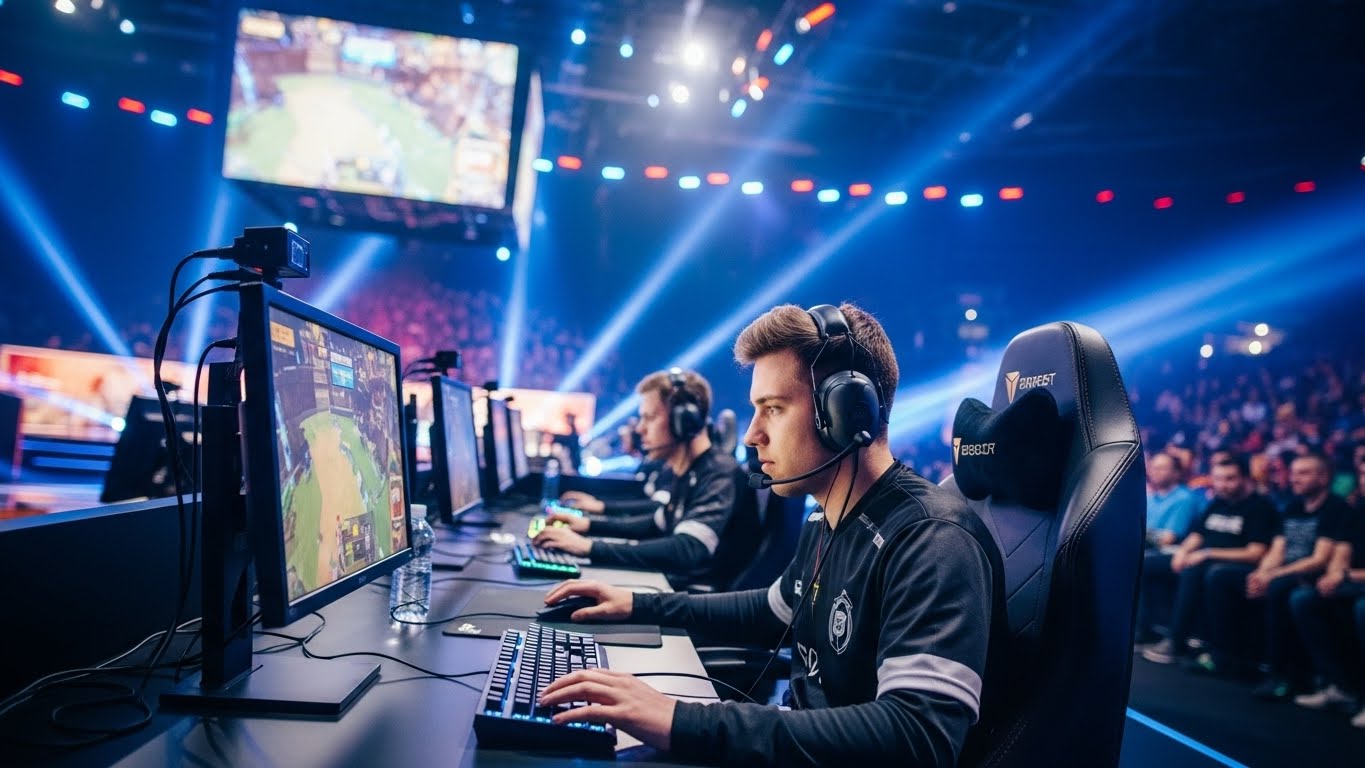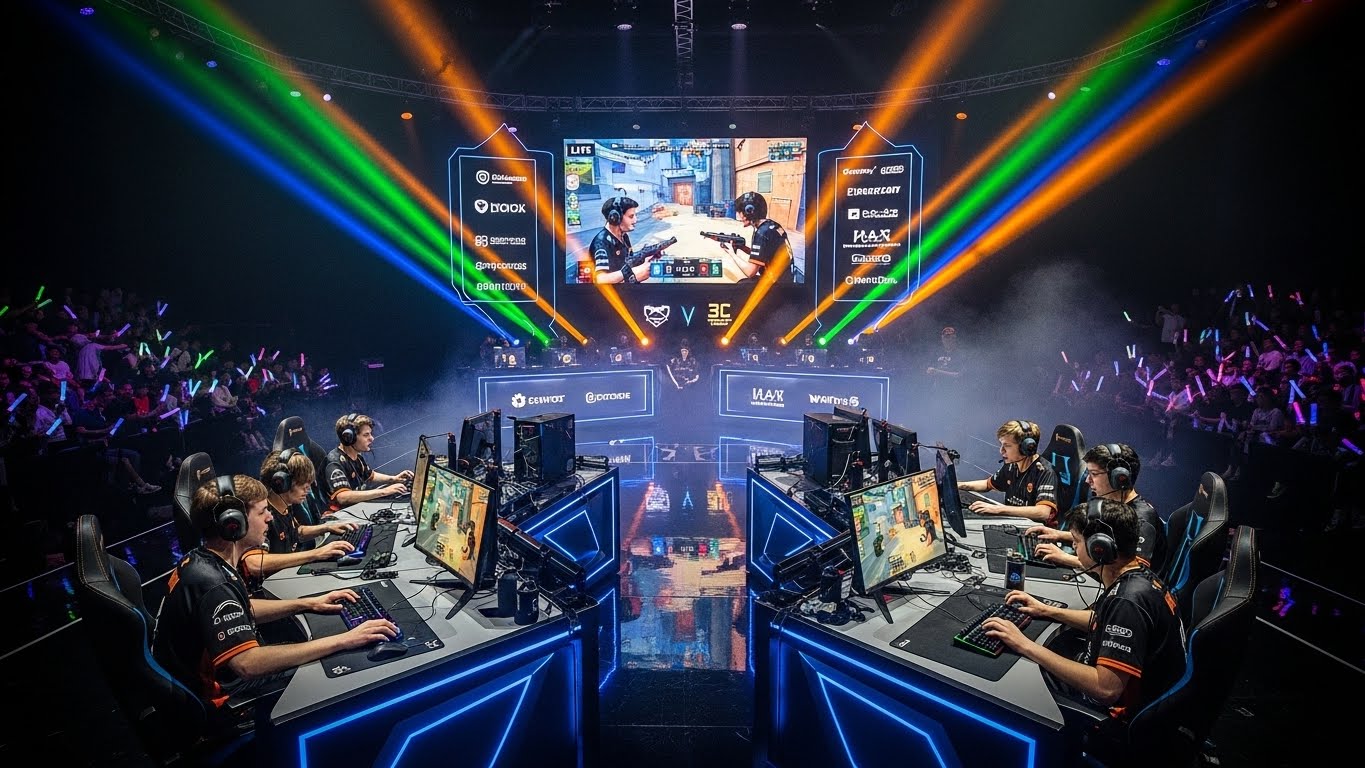
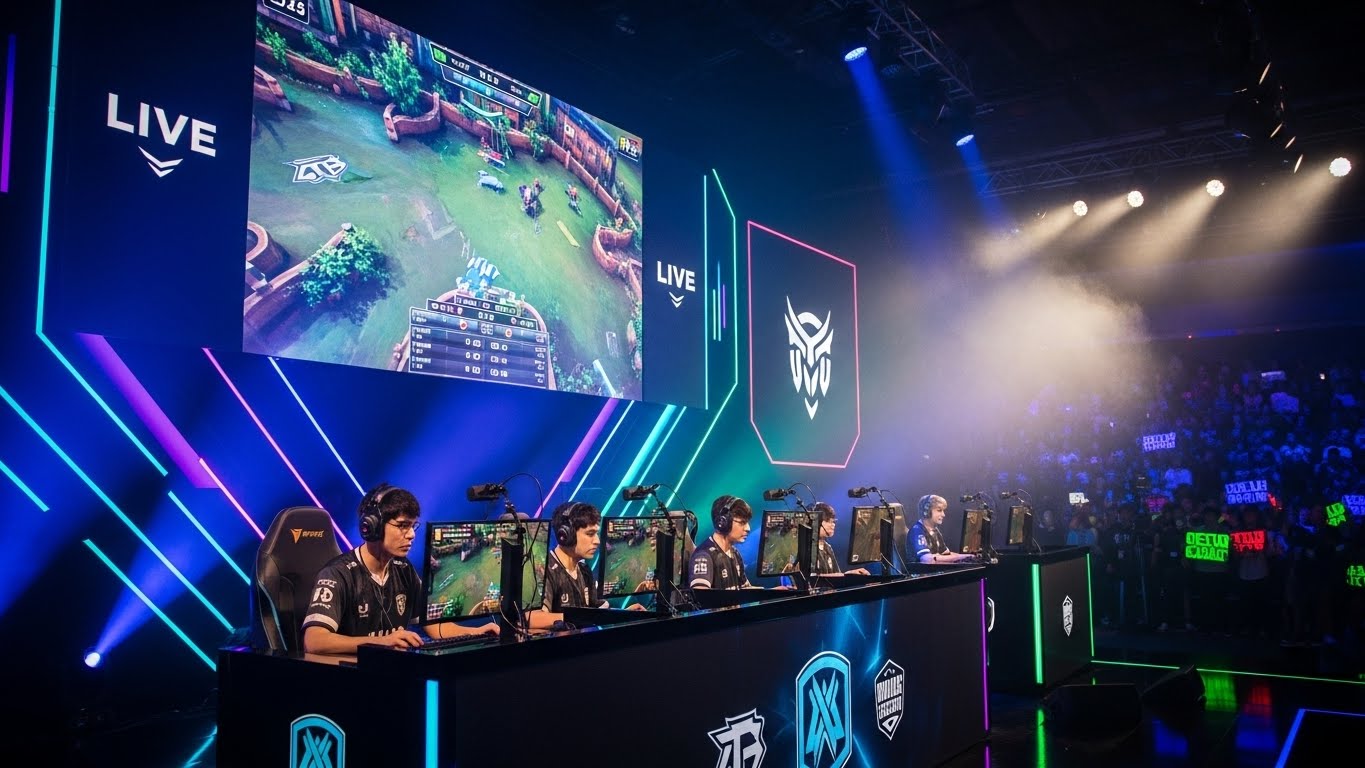
Esports, or competitive gaming, has rapidly transformed from a niche hobby into a global phenomenon. What was once limited to small gaming communities has evolved into a multibillion-dollar industry with professional leagues, massive tournaments, and a worldwide audience. Esports blends technology, skill, strategy, and entertainment, creating a new form of competition that rivals traditional sports. In this blog post, we explore the evolution, impact, and future of esports.
Understanding Esports
Esports refers to organized, competitive video gaming where professional players and teams compete in tournaments or leagues. Popular esports titles include League of Legends, Dota 2, Counter-Strike, Fortnite, and Call of Duty. Competitions can be online or held in live venues, drawing millions of viewers worldwide through streaming platforms and broadcasts.
Esports is more than casual gaming; it involves rigorous training, strategic planning, and mental resilience. Players often dedicate several hours daily to perfecting mechanics, analyzing opponents, and mastering in-game strategies. Teams operate with coaches, analysts, and support staff, resembling traditional sports organizations in structure and professionalism.
The Evolution of Esports
The roots of esports can be traced back to the 1970s and 1980s, when arcade competitions and early computer games attracted competitive players. The 1990s saw the rise of LAN tournaments and early online competitions, where games like StarCraft and Quake became competitive staples.
The 2000s marked a turning point with the growth of broadband internet, enabling global online competitions. South Korea became a hub for professional gaming, particularly in StarCraft, establishing esports as a viable career. The creation of professional leagues, sponsorship deals, and televised tournaments further legitimized competitive gaming as an industry.
Popular Esports Titles and Genres
Esports encompasses various game genres, each with unique competitive dynamics. Multiplayer online battle arena (MOBA) games like League of Legends and Dota 2 emphasize teamwork, strategy, and map control. First-person shooters (FPS) such as Counter-Strike and Call of Duty test reflexes, aiming, and tactical decision-making.
Battle royale games like Fortnite and Apex Legends combine survival, resource management, and combat skills. Fighting games, sports simulations, and card games also feature competitive scenes. The diversity of esports genres allows players to specialize according to their skills and preferences while appealing to a broad audience of fans.
The Structure of Esports Organizations
Professional esports organizations resemble traditional sports teams in structure. Teams have players, coaches, analysts, and managers who work together to optimize performance. Players follow strict training regimens, including strategy review, mechanical practice, physical fitness, and mental conditioning.
Tournaments are organized into leagues, qualifiers, and championships, with prize pools ranging from thousands to millions of dollars. Sponsorships, endorsements, and merchandise sales contribute to the financial sustainability of organizations. Esports professionals often have dedicated fanbases, social media presence, and brand partnerships, reflecting the commercial potential of the industry.
The Role of Streaming Platforms
Streaming platforms have been pivotal in the growth of esports. Platforms such as Twitch, YouTube Gaming, and others provide real-time broadcasts of tournaments, practice sessions, and personal streams. Viewers can interact with players through live chat, creating an engaging and immersive experience.
Streaming not only generates revenue for players and organizations but also fosters community building. Fans can follow their favorite players, learn strategies, and engage in discussions. This interactivity sets esports apart from traditional sports, creating a closer connection between competitors and audiences.
Economic Impact of Esports
Esports has become a major economic driver in the digital entertainment industry. The global esports market generates revenue through sponsorships, advertising, ticket sales, merchandise, and media rights. Major tournaments like The International, League of Legends World Championship, and Fortnite World Cup offer multi-million-dollar prize pools, attracting top talent worldwide.
The industry also creates jobs beyond players, including commentators, analysts, event organizers, content creators, and marketing professionals. Esports has spurred investments in technology, infrastructure, and media, contributing to the broader digital economy.
Esports and Education
Esports is increasingly recognized as a tool for education and skill development. Universities and high schools now offer esports programs, scholarships, and clubs. Participation in esports teaches teamwork, communication, strategic thinking, and problem-solving skills.
Esports also encourages digital literacy and familiarity with technology, skills that are valuable in modern careers. Academic programs focused on game design, esports management, and broadcasting further bridge the gap between education and professional opportunities in competitive gaming.
Health and Well-Being in Esports
Competitive gaming requires not only mental agility but also physical and emotional well-being. Professional players often face intense schedules, long practice sessions, and high-pressure competitions. To maintain performance, many incorporate physical exercise, proper nutrition, and mental conditioning into their routines.
Organizations are increasingly aware of burnout and mental health concerns, providing support services, counseling, and structured rest periods. Maintaining a balance between training and self-care is essential for long-term success in esports.
The Global Reach of Esports
Esports is a global phenomenon, connecting players and fans across continents. Countries like South Korea, China, the United States, and European nations have well-established esports ecosystems, hosting international tournaments and nurturing professional talent.
Global tournaments attract viewers from all over the world, creating cross-cultural engagement and international fan communities. Online platforms allow players from different regions to compete without geographical limitations, fostering a truly global competitive environment.
Gender and Diversity in Esports
While esports has historically been male-dominated, diversity and inclusivity are gradually improving. Female players, LGBTQ+ participants, and individuals from diverse backgrounds are increasingly represented in competitive scenes. Initiatives promoting inclusivity, mentorship, and safe gaming spaces help break stereotypes and encourage broader participation.
Diversity in esports enhances creativity, competition, and community building. It ensures that the industry reflects the global audience it serves, promoting equal opportunities for all players and fans.
The Future of Esports
The future of esports promises continued growth, innovation, and mainstream recognition. Technological advancements such as virtual reality, augmented reality, and AI-driven analytics are transforming gameplay, training, and viewer engagement. Esports may become more integrated with traditional sports, education, and entertainment platforms.
Monetization opportunities are expanding through digital ticketing, in-game purchases, sponsorships, and media rights. As esports continues to mature, regulatory frameworks, health standards, and professional management practices will further enhance sustainability and credibility. The industry is poised to reach new audiences, creating unprecedented opportunities for players, fans, and businesses alike.
Conclusion
Esports has evolved from small gaming communities to a global, professionalized, and highly influential industry. It combines skill, strategy, technology, and entertainment, creating a unique form of competition that rivals traditional sports. From fostering teamwork and strategic thinking to generating economic growth and global engagement, esports demonstrates the transformative power of gaming in the digital age.
The industry’s growth is fueled by technological innovation, professional infrastructure, and passionate communities. As esports continues to expand and gain recognition, it will redefine competition, inspire future generations, and shape the future of entertainment. The rise of esports is not just a trend—it is a revolution in how we play, watch, and engage with games around the world.