Introduction: A New Era of Competition
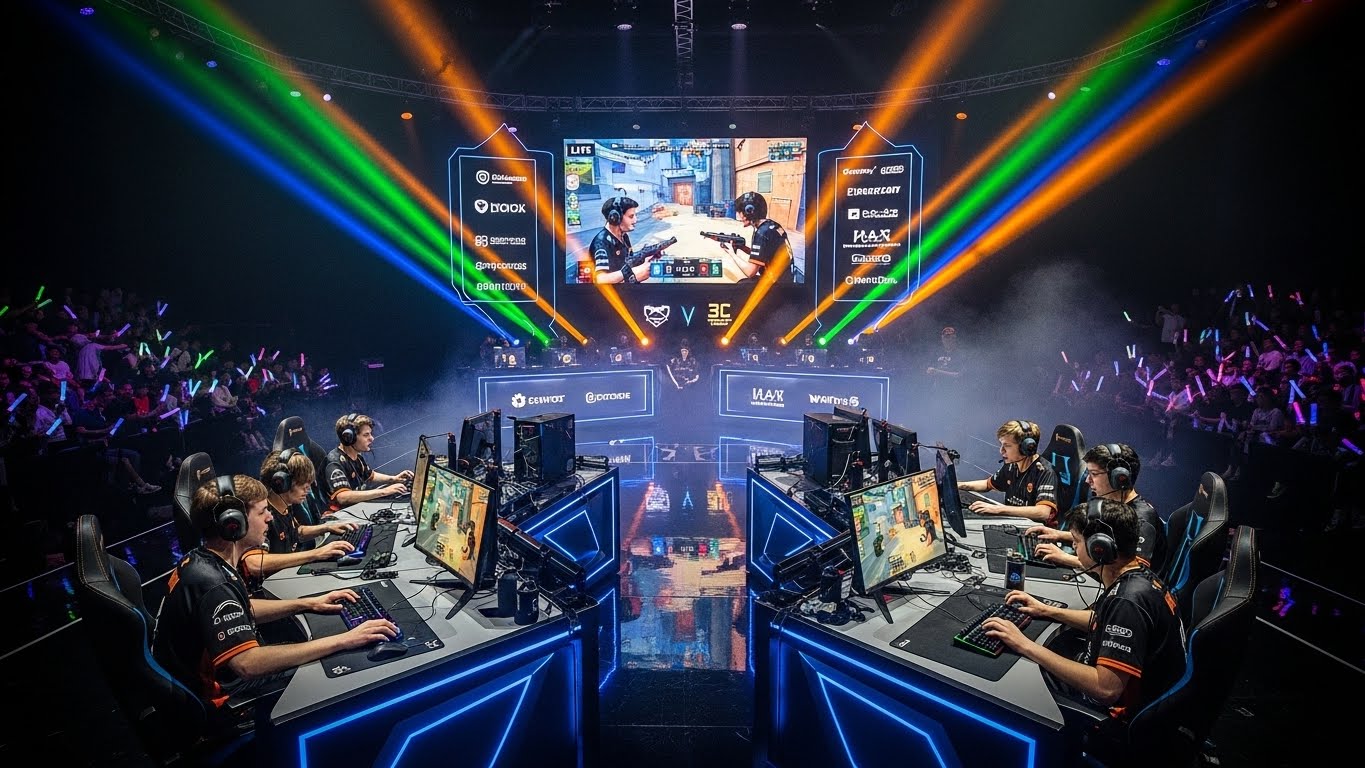
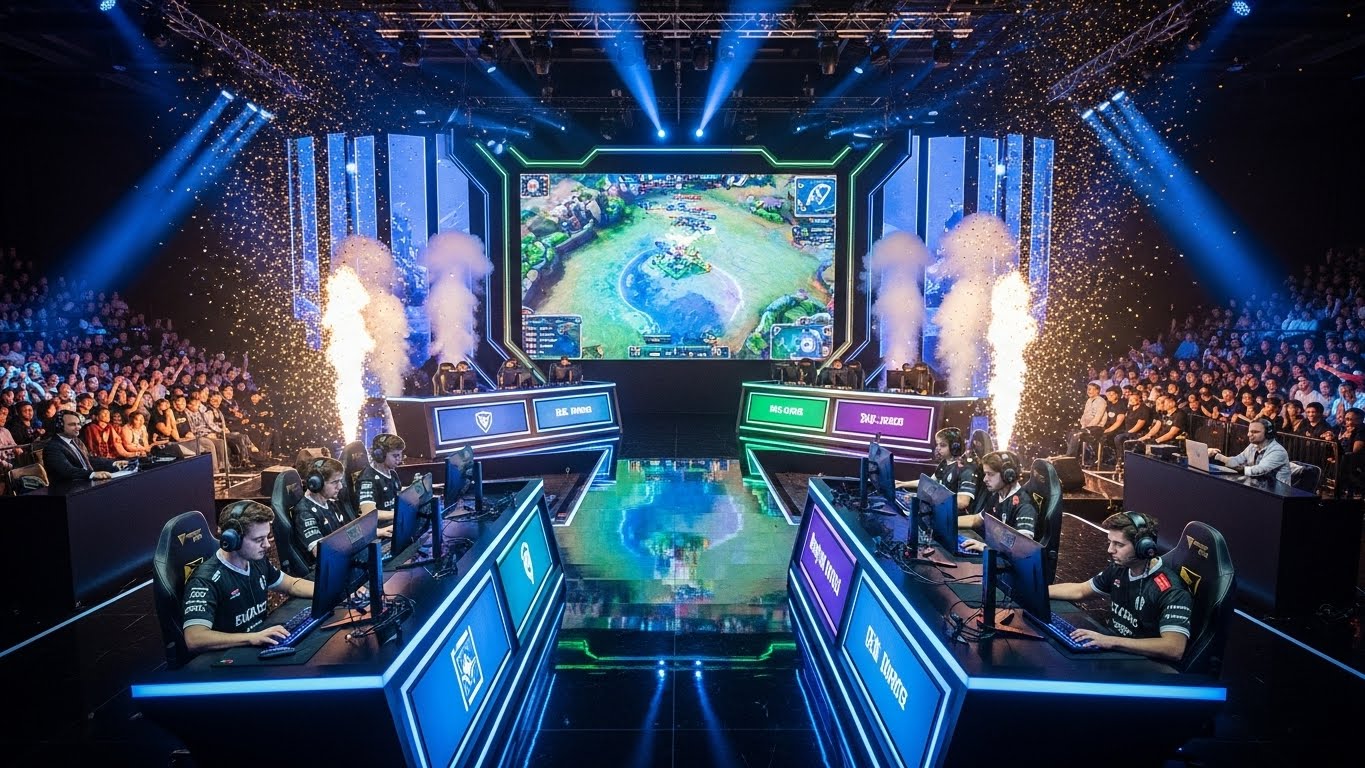
Esports is no longer a niche hobby or a passing trend—it has evolved into one of the most significant forms of entertainment in the 21st century. What was once a small community of gamers playing against each other in their basements or local arcades has transformed into a global phenomenon, with millions of players, fans, and even large-scale corporate sponsors involved. Esports, short for “electronic sports,” refers to organized, multiplayer video game competitions, particularly between professional players, teams, and organizations.
From sold-out stadiums to massive online viewerships, esports has become a thriving industry in its own right. It’s not just about playing games—esports now encompasses live broadcasts, sponsorships, merchandise, and even a booming career path for professional players. As the industry continues to expand, it is reshaping the way we think about competitive gaming, entertainment, and even the traditional sports landscape.
In this blog post, we’ll take an in-depth look at the history of esports, the rise of major esports titles, how the industry operates, and the growing impact it has on culture and society. Let’s dive into the exciting world of competitive gaming and explore why it’s here to stay.
A Brief History of Esports: From Arcades to Global Phenomenon
While esports as we know it today may seem like a recent development, its origins trace back decades. The roots of competitive gaming can be found in the early days of arcade gaming and computer games in the 1970s and 1980s. Let’s take a look at how esports evolved over the years.
- The Early Days of Competitive Gaming
The first recorded instance of a competitive gaming event took place in 1972 when Stanford University held a tournament for the game Spacewar. Players competed for the title of “Spacewar champion,” and the prize was a year’s subscription to Rolling Stone magazine. Though this event was small, it marked the beginning of competitive gaming.
In the 1980s, arcades became a popular hub for gamers, and local tournaments started to emerge. Games like Pac-Man, Donkey Kong, and Street Fighter saw large numbers of players competing against one another. These early tournaments laid the foundation for the idea of gaming as a competitive pursuit, even though the infrastructure to support large-scale esports events wasn’t quite there yet.
- The Birth of Online Tournaments and Professional Leagues
As the internet began to expand in the late 1990s and early 2000s, online gaming started to gain momentum. Titles like StarCraft and Quake introduced players to the world of competitive online gaming, allowing them to compete against players from across the globe. The growth of broadband internet in particular enabled smooth online play, creating a space for gamers to engage in more organized, large-scale competitions.
In 2000, the first professional esports league was formed with the creation of The Cyberathlete Professional League (CPL). The CPL hosted tournaments for games like Quake III Arena, offering cash prizes and a formal structure for competitive play. This was a major milestone in the development of esports as a professional sport, and it helped to demonstrate that competitive gaming could be more than just a pastime.
- The Growth of Streaming and Global Audiences
By the late 2000s and early 2010s, the rise of streaming platforms like Twitch and YouTube gave esports the visibility it needed to explode in popularity. These platforms made it possible for fans to watch tournaments and matches live from anywhere in the world. Twitch, in particular, became the go-to platform for esports broadcasting, allowing players and fans to connect in real-time.
The growing visibility of esports through streaming opened up new opportunities for sponsorships, media rights deals, and fan engagement. Major companies like Intel, Coca-Cola, and Red Bull began investing heavily in esports, recognizing its potential as a profitable and engaging industry. Esports was no longer just about gaming—it had become a major cultural phenomenon.
Key Esports Titles: The Games That Built the Industry
Over the years, several games have played a pivotal role in shaping the landscape of esports. These titles became the foundation of competitive gaming, attracting large followings and inspiring professional leagues and tournaments. Let’s take a look at some of the key games that helped build esports into what it is today.
- League of Legends (LoL)
Released in 2009, League of Legends is one of the most successful and influential esports titles of all time. Developed by Riot Games, LoL is a multiplayer online battle arena (MOBA) game that pits teams of five players against each other in strategic, fast-paced matches. The game’s success led to the creation of the League of Legends Championship Series (LCS), one of the premier esports leagues in the world.
The annual League of Legends World Championship draws millions of viewers, and the game’s player base is massive, with millions of active players around the globe. LoL has become the gold standard for esports in terms of both competitive integrity and viewership, establishing a global following and cementing its place as a cornerstone of the esports ecosystem.
- Counter-Strike: Global Offensive (CS:GO)
Originally released in 1999, Counter-Strike has evolved into one of the most iconic first-person shooters in esports history. The most recent installment, CS:GO, released in 2012, continues to dominate the competitive gaming scene with its tactical, team-based gameplay. The game has been the focus of numerous tournaments, including the ESL Pro League, DreamHack, and ESL One, offering huge prize pools and attracting top-tier professional players from around the world.
CS:GO has become one of the most-watched games on platforms like Twitch, and its competitive scene remains one of the most established in the industry. The game’s emphasis on skill, teamwork, and strategy makes it a popular choice for both players and fans alike.
- Dota 2 and The International
Another hugely successful MOBA game, Dota 2, was developed by Valve Corporation and released in 2013. Like League of Legends, Dota 2 boasts a massive competitive scene, with one of the most prestigious tournaments in esports: The International. The International has set records for prize pools, with millions of dollars up for grabs each year. The tournament’s immense popularity helped push Dota 2 to the forefront of esports, and its success has inspired a wave of other developers to create similar competitive games.
The complexity and depth of Dota 2 have made it a favorite among hardcore gamers and esports enthusiasts. The game’s high skill ceiling and strategic depth have also helped fuel its popularity as a spectator sport, and The International remains one of the biggest events in the esports calendar.
- Fortnite and Battle Royale Evolution
In 2017, Fortnite emerged as a cultural phenomenon, redefining the battle royale genre. The game’s colorful, fast-paced action and unique building mechanics attracted millions of players, and its free-to-play model made it accessible to a wide audience. But it wasn’t just about casual play—Fortnite quickly became an esports powerhouse.
Epic Games, the developer behind Fortnite, capitalized on the game’s success by hosting large-scale competitive tournaments, with the Fortnite World Cup offering one of the largest prize pools in gaming history. The rise of Fortnite marked a new era in esports, where battle royale games became a major genre within competitive gaming, alongside traditional FPS and MOBA titles.
The Esports Ecosystem: How It All Comes Together
The esports industry is vast and multi-faceted, involving much more than just professional players and games. It includes a wide array of stakeholders who contribute to the overall ecosystem, from teams and organizations to fans, sponsors, and broadcasters. Here’s a breakdown of how the esports industry operates and how it has grown into the massive entertainment industry we see today.
- Esports Teams and Organizations
At the heart of competitive gaming are the professional esports teams and organizations. These teams recruit top players, often from around the world, and train them to compete in high-level competitions. Some of the most well-known organizations in esports include Team Liquid, Cloud9, Fnatic, T1, and FaZe Clan.
These teams play an integral role in the esports ecosystem. They not only provide players with salaries, coaching, and infrastructure but also serve as representatives of brands, creating a connection between the game and its fans. Teams also often have sponsorships with major companies, which help fund their operations and promote esports as a legitimate industry.
- Tournaments and Leagues
Tournaments are the backbone of competitive esports. Whether it’s a local LAN event or a massive international championship, tournaments bring together the best players and teams to compete for glory and cash prizes. Some tournaments are organized by game developers themselves, such as Riot Games’ League of Legends World Championship, while others are managed by independent organizations like ESL and DreamHack.
In addition to standalone tournaments, there are numerous professional leagues that offer players regular opportunities to compete in structured seasons. These leagues, such as the Overwatch League or Call of Duty League, offer a more traditional sports-like structure, with regular seasons, playoffs, and championships.