Introduction: The Rise of Esports
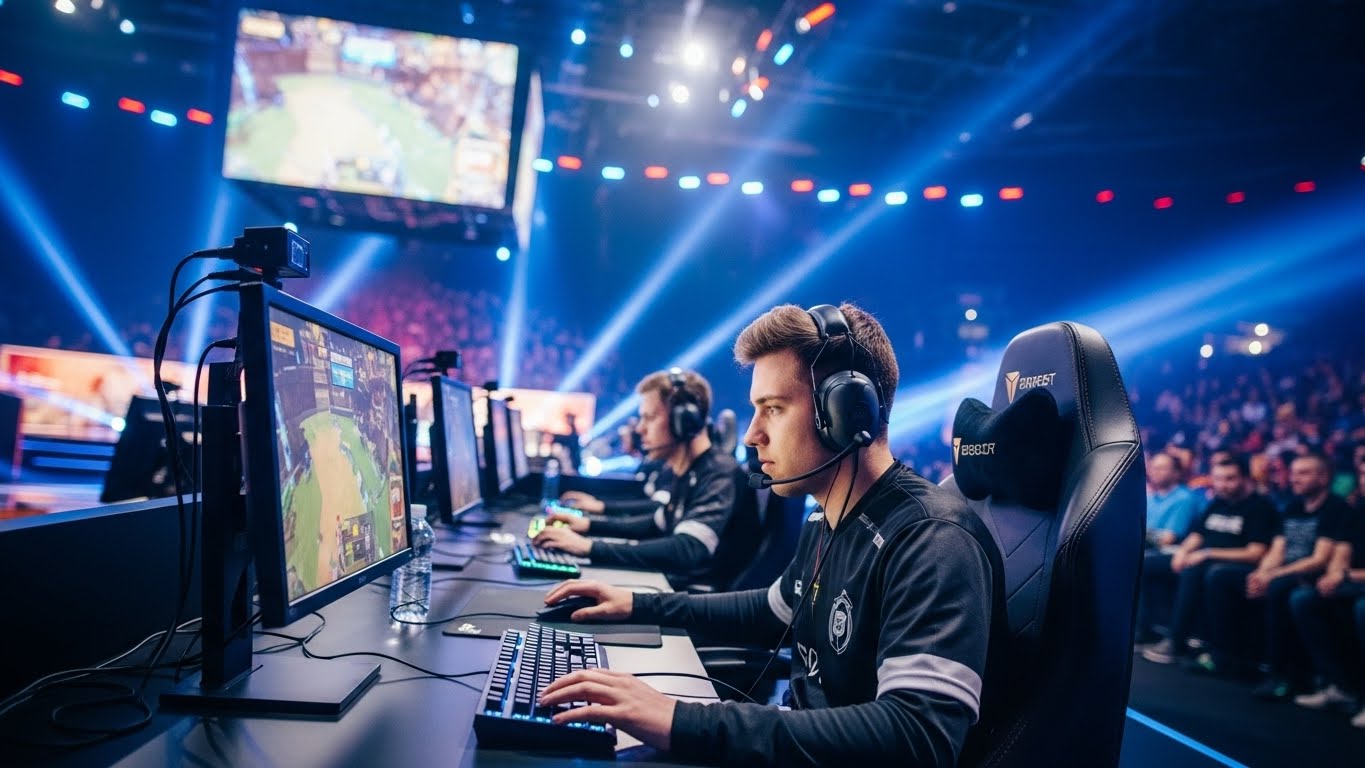
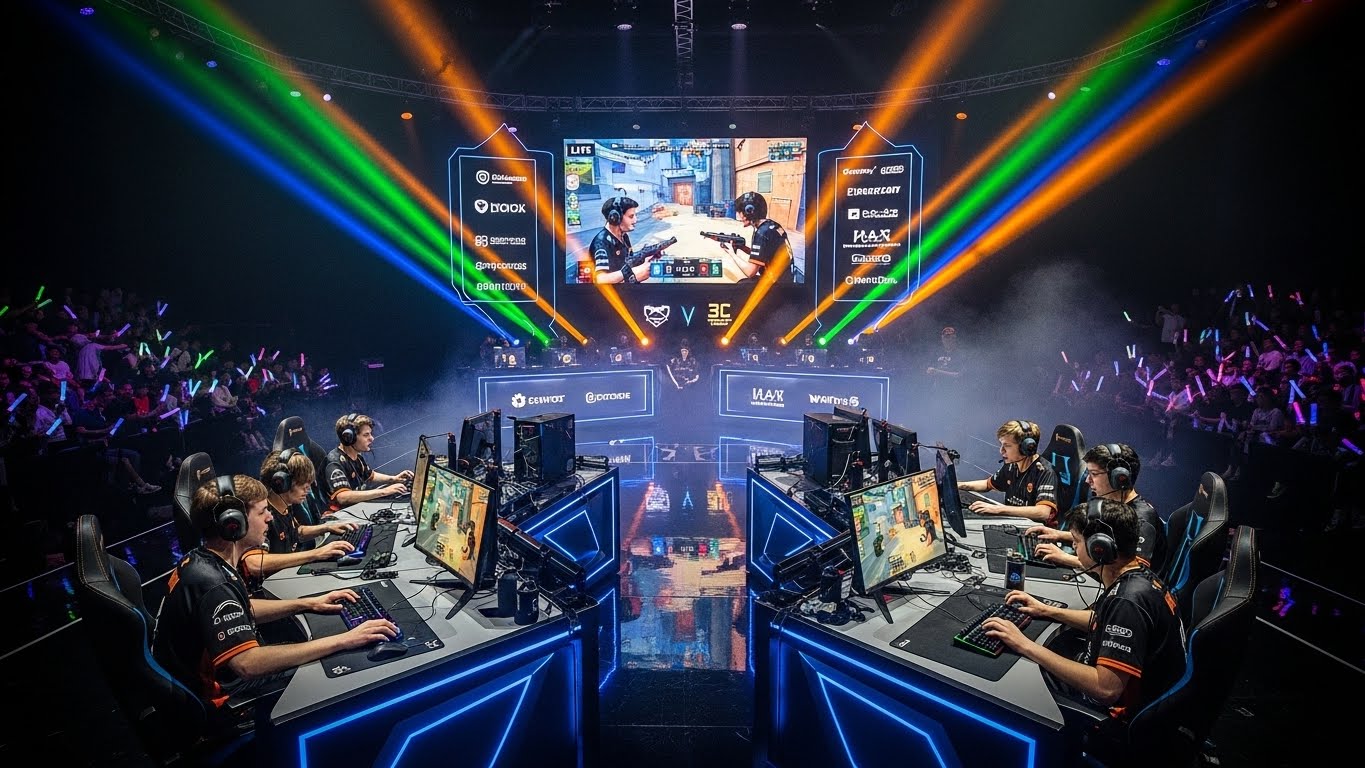
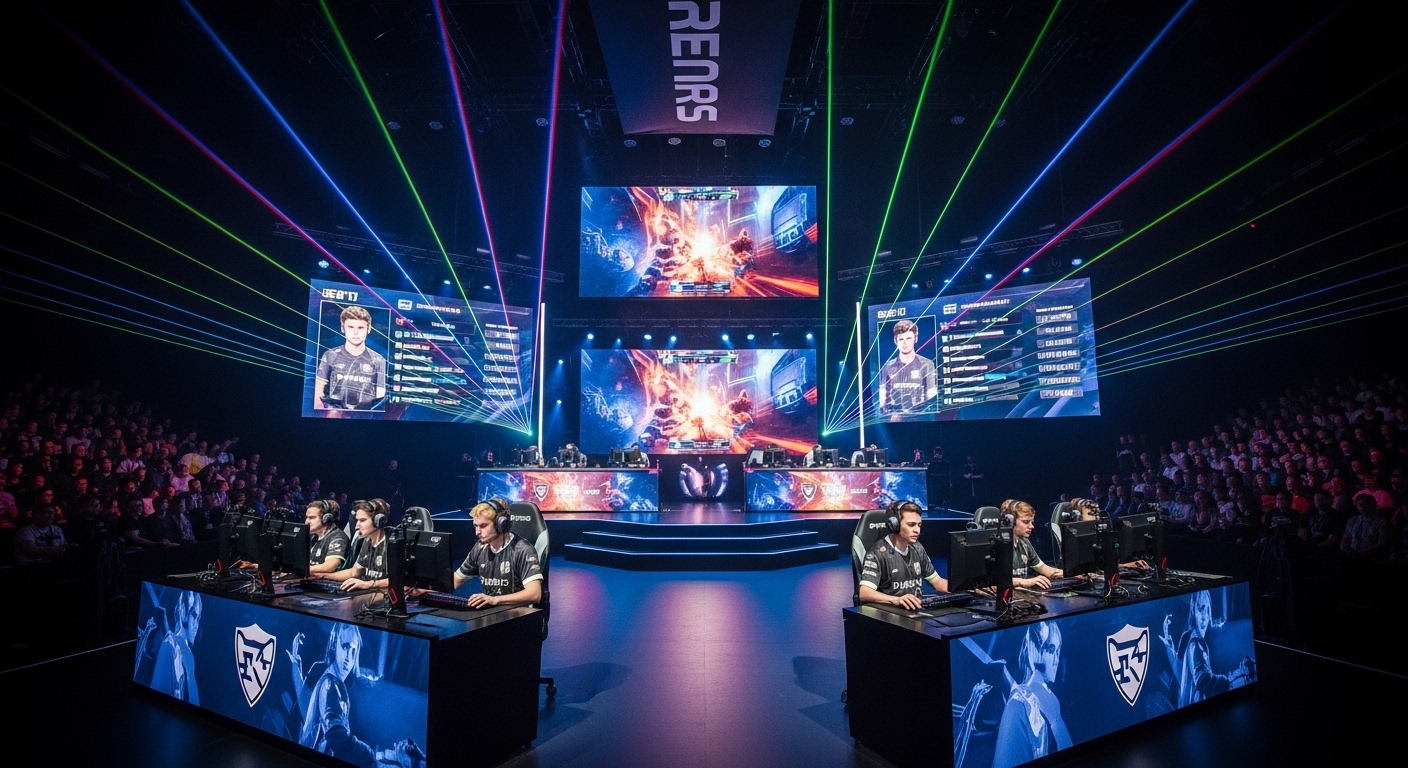
Esports, or competitive video gaming, has grown from a niche hobby into a global phenomenon. What was once considered mere entertainment has now evolved into a professional industry with millions of players, fans, and revenue streams worldwide. From small tournaments in internet cafes to grand international competitions in massive arenas, Esports has captured the attention of a diverse audience. The appeal of Esports goes beyond winning and losing; it combines strategy, skill, teamwork, and entertainment, offering players and viewers a unique experience unlike any other form of sports or competition.
The Global Growth of Esports
In the last decade, Esports has expanded at an unprecedented rate. Countries across the globe now host professional leagues, tournaments, and gaming conventions. Asia, particularly South Korea and China, has been a pioneer in professional gaming, turning video games into a cultural and economic powerhouse. North America and Europe have followed suit, with leagues dedicated to games such as League of Legends, Counter-Strike, Dota 2, and Fortnite gaining massive popularity.
The global audience of Esports is staggering. Tens of millions of viewers tune in online to watch their favorite players or teams compete, with platforms like streaming services making content accessible around the clock. This growth demonstrates that Esports is not merely a passing trend but a lasting form of entertainment and competition that resonates with a digitally connected generation.
The Competitive Edge: Skills Required in Esports
At first glance, gaming may appear to be a casual activity, but professional Esports demands a high level of skill, strategy, and mental focus. Players must demonstrate excellent hand-eye coordination, quick reflexes, and strategic thinking. Games often require split-second decision-making under pressure, making cognitive agility as important as mechanical skill.
Team-based games emphasize communication, collaboration, and leadership. Players must work seamlessly with teammates to execute strategies, adapt to opponents’ moves, and achieve objectives. Individual performance and teamwork are equally important, reflecting the balance of personal skill and collective effort that defines professional Esports.
Physical and Mental Preparation for Esports
While Esports is a digital sport, physical and mental preparation are essential for peak performance. Professional players often follow rigorous schedules, including physical exercise, proper nutrition, and mental conditioning. Maintaining good physical health enhances reaction times, stamina, and focus during long gaming sessions.
Mental resilience is equally critical. Players face high-pressure environments, public scrutiny, and intense competition. The ability to remain calm, adapt strategies on the fly, and recover from setbacks is what separates amateur players from professionals. Esports requires discipline, dedication, and self-awareness, proving that competitive gaming demands both mind and body preparation.
Esports as a Career: Opportunities and Challenges
Esports has created a wide array of career opportunities. Professional players earn salaries, sponsorships, and prize money from tournaments. Streamers and content creators generate income through advertisements, subscriptions, and donations. Coaches, analysts, and team managers play crucial roles in guiding teams, analyzing gameplay, and developing strategies.
Despite the lucrative potential, pursuing a career in Esports presents challenges. The industry is highly competitive, with only a small percentage of players reaching the professional level. Success requires consistent practice, networking, and maintaining performance under pressure. Moreover, the lifestyle can be demanding, with long hours of training and travel for competitions. Still, for those passionate about gaming, Esports offers a unique pathway to combine talent, dedication, and creativity into a rewarding career.
The Esports Industry: Economics and Global Impact
The Esports industry has emerged as a significant economic force. Revenue comes from tournament prize pools, sponsorship deals, advertising, merchandising, and media rights. Major tournaments offer millions of dollars in prizes, attracting top talent from around the world. Brands recognize the marketing potential of Esports, sponsoring players, teams, and events to reach engaged and digitally savvy audiences.
Esports also contributes to local economies through events and conventions. Hosting international tournaments brings tourism, creates jobs, and promotes technological innovation. The industry’s economic impact underscores the seriousness of competitive gaming as a professional and commercial enterprise.
Fan Culture and Community Engagement
A critical aspect of Esports’ success is its passionate fan base. Fans engage with Esports not only by watching competitions but also by participating in online communities, discussions, and fan events. Streaming platforms and social media allow fans to interact with their favorite players, creating a sense of connection that traditional sports cannot always replicate.
Esports fandom fosters creativity as well. Fans produce artwork, videos, and commentary, contributing to the culture and expanding the reach of the industry. The community-driven nature of Esports creates an inclusive and vibrant environment where players and fans alike are active participants in the growth of the field.
Education and Esports: A New Frontier
Many educational institutions now recognize the potential of Esports. Universities and colleges offer scholarships, professional training, and dedicated programs to support competitive gaming. Academic courses focus on game design, strategy, media management, and business aspects of the Esports industry.
Esports programs in education teach teamwork, critical thinking, problem-solving, and communication skills. These experiences prepare students for careers both within and beyond the gaming world. By integrating Esports into educational systems, institutions acknowledge the growing relevance of gaming in modern culture and the professional opportunities it provides.
Technology Driving Esports
Technology plays a central role in the evolution of Esports. High-performance gaming hardware, advanced graphics, and faster internet speeds have enabled more complex and immersive games. Streaming platforms allow fans to watch competitions live from anywhere in the world, while analytics tools help players improve performance through data-driven insights.
Virtual reality and augmented reality are also beginning to influence Esports, offering new gameplay experiences and opportunities for innovation. Technology ensures that Esports remains dynamic, exciting, and accessible to both players and audiences worldwide.
Social Impact and Inclusion in Esports
Esports has the potential to promote inclusivity and social change. Unlike traditional sports, competitive gaming allows people from diverse backgrounds, genders, and physical abilities to compete on an equal footing. International competitions bring together participants from different cultures, fostering understanding and global connection.
Women’s participation in Esports has been growing, with female players breaking barriers and gaining recognition. Inclusive initiatives encourage wider representation, demonstrating that talent and dedication, not demographics, define success in the Esports arena.
The Future of Esports
The future of Esports is filled with promise. The industry is expected to continue expanding, with more professional leagues, advanced training programs, and international tournaments. Emerging technologies will enhance gameplay, viewer experience, and accessibility, creating new opportunities for players and fans alike.
Challenges remain, including maintaining fair play, preventing burnout among players, and navigating the evolving regulatory environment. However, the continued growth and acceptance of Esports indicate that competitive gaming is here to stay, transforming entertainment, careers, and community engagement for the digital age.
Conclusion: Esports as a Cultural and Professional Force
Esports is no longer just a pastime; it has become a cultural, social, and professional phenomenon. It merges technology, competition, and entertainment in ways that resonate with a global audience. From developing skills and teamwork to creating career opportunities and economic impact, Esports demonstrates that gaming is more than a hobby—it is a legitimate and influential industry.
As the world becomes increasingly digital, Esports will continue to redefine entertainment, challenge traditional sports structures, and inspire millions of players and fans worldwide. Competitive gaming is not merely a reflection of modern culture; it is shaping the future of how people play, connect, and pursue their passions.