Introduction
Gaming has evolved from a simple form of recreation into one of the most influential and dynamic industries in the modern world. What started as basic pixelated adventures has transformed into vast, immersive experiences that capture imagination, emotion, and creativity. Today, gaming stands as more than entertainment—it is a culture, a business, a learning tool, and a social connector that bridges people across the globe.
With technology advancing rapidly, gaming continues to shape how people interact with media, develop skills, and express creativity. From casual mobile players to professional esports athletes, gaming offers something for everyone. This blog explores the incredible journey of gaming, its impact on individuals and society, and how it continues to redefine entertainment in the digital era.
The Origins of Gaming: From Playgrounds to Pixels
The human love for games is ancient. Long before screens existed, people played board games, card games, and outdoor competitions to test skill, strategy, and luck. These early forms of play laid the foundation for the interactive experiences we enjoy today.
The birth of digital gaming came in the mid-20th century when scientists and programmers experimented with early computer systems. The first video games were simple yet groundbreaking—basic dots, lines, and numbers that created the first spark of digital play. What followed was a revolution.
The 1970s and 1980s marked the rise of arcade machines and home consoles. These decades introduced iconic games that defined generations. Families gathered around televisions, holding controllers that opened portals to digital worlds. By the 1990s, gaming had evolved into an industry filled with creativity and competition. The arrival of 3D graphics changed everything, allowing players to experience gaming worlds in new and exciting ways.
Today, gaming is a multi-billion-dollar industry that spans consoles, computers, and mobile devices. From nostalgic retro titles to cinematic masterpieces, gaming continues to grow, transforming entertainment forever.
The Art and Science of Game Design
Behind every great game lies a blend of art, technology, and psychology. Game design is not just about coding or graphics—it is about creating experiences that evoke emotion, challenge thought, and spark imagination. Developers craft worlds with intricate details, stories with moral depth, and characters that feel alive.
Modern game design integrates disciplines like storytelling, music composition, visual art, and computer engineering. Developers aim to engage players not only through action but through emotion and meaning. A successful game keeps players immersed, offering them choice, consequence, and a sense of accomplishment.
Technology has expanded the possibilities of design. Advanced game engines create realistic graphics, fluid physics, and lifelike animations. Artificial intelligence enhances realism by allowing characters and environments to respond intelligently to player actions. Each new innovation brings gaming closer to reality, yet still firmly rooted in imagination.
The Psychology of Play: Why Gaming Feels Rewarding
Gaming fulfills several psychological needs. People are naturally drawn to challenges, problem-solving, and storytelling. Games provide a safe space to explore these desires, offering both mental stimulation and emotional satisfaction.
When players succeed in a game—whether completing a level or defeating a powerful opponent—the brain releases dopamine, a chemical linked to pleasure and reward. This sense of achievement motivates continued play, reinforcing positive engagement.
Moreover, gaming provides control and purpose. In virtual worlds, players can make meaningful decisions and immediately see the results. This sense of agency empowers individuals, especially in a world where real-life outcomes often feel unpredictable.
Games also act as an escape. They transport players to new realities, helping them relax, relieve stress, and recharge. But beyond escapism, gaming often strengthens creativity, strategic thinking, and problem-solving skills, proving that play can be both enjoyable and intellectually beneficial.
The Social Side of Gaming: Connecting the World
Contrary to the outdated stereotype of gaming as an isolated hobby, modern gaming is one of the most social activities in existence. Online multiplayer platforms and cooperative games have transformed gaming into a global community. Millions of players collaborate, compete, and communicate across continents every day.
Gaming communities foster teamwork, friendship, and cultural exchange. Players join forces to complete missions, form clans, and participate in international tournaments. These digital spaces often lead to real friendships and shared experiences that extend beyond the screen.
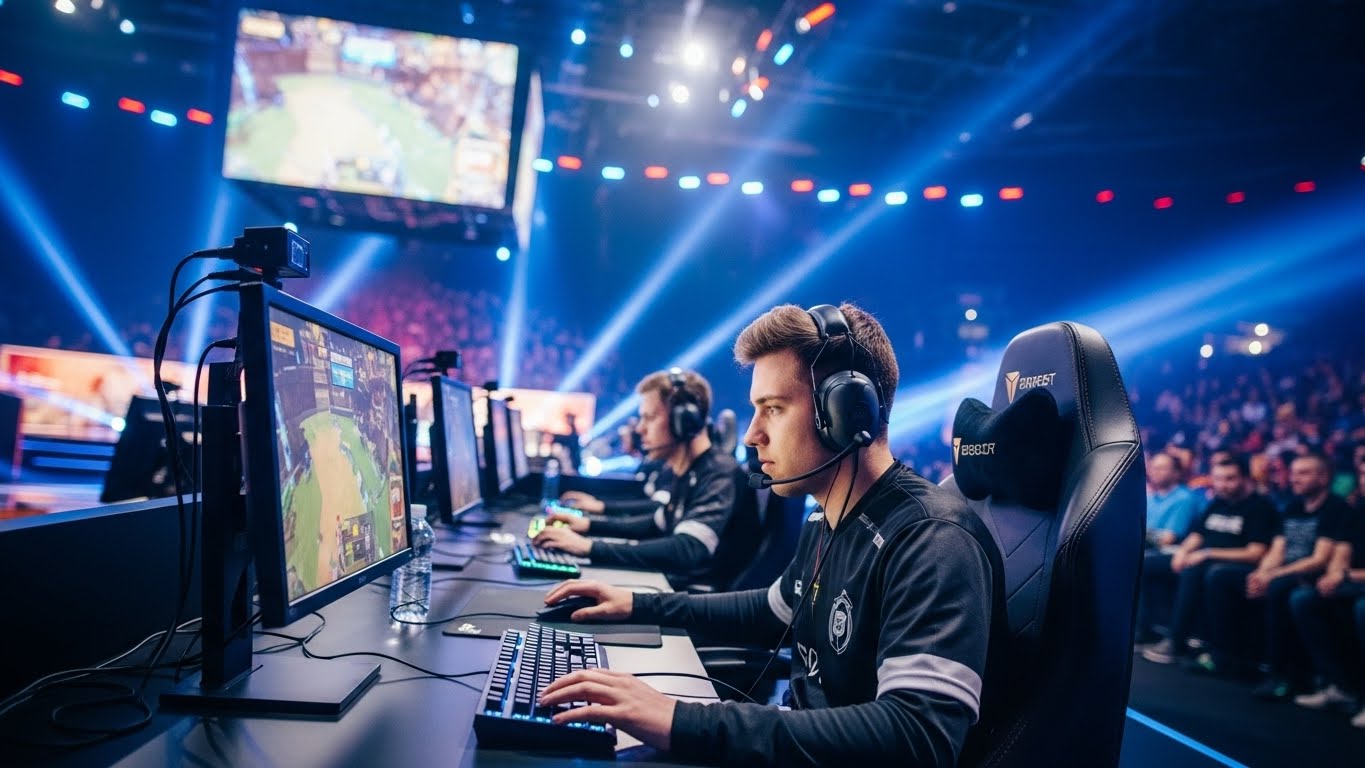
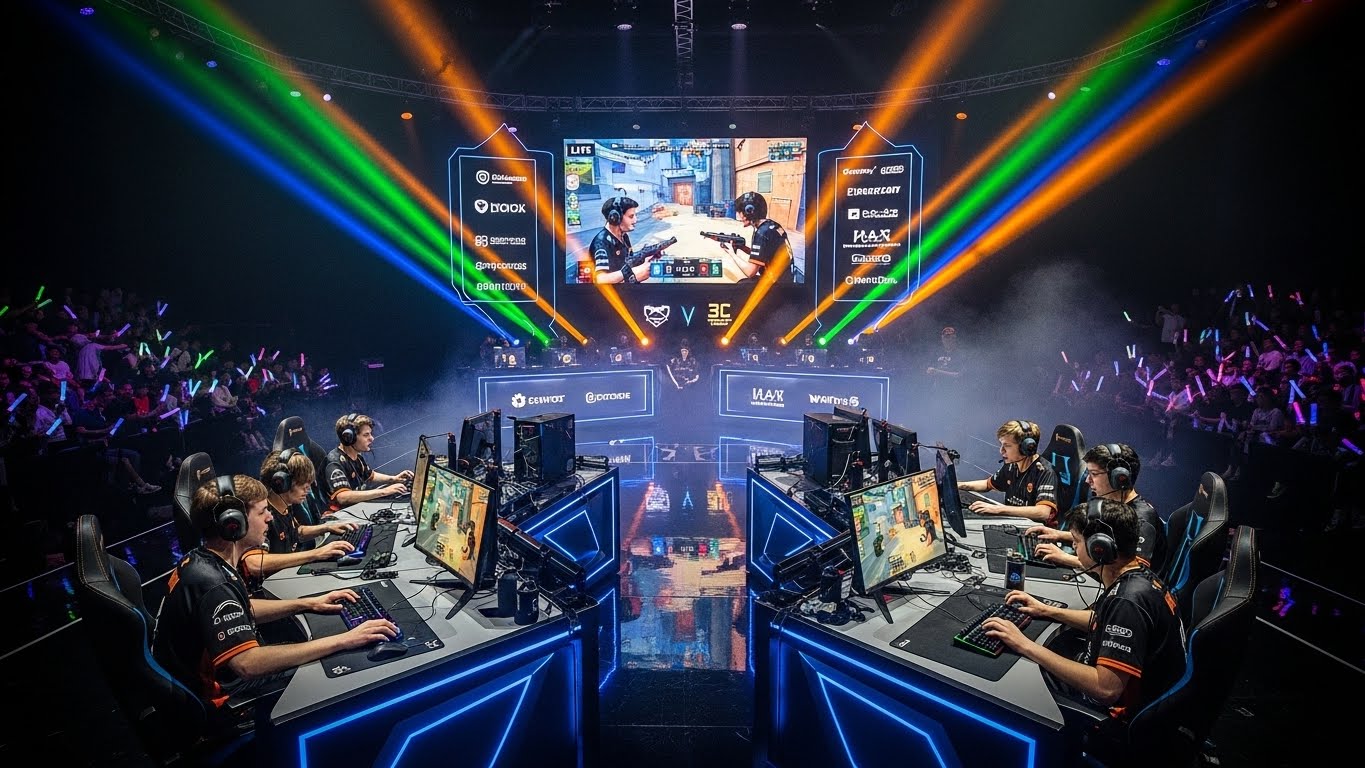
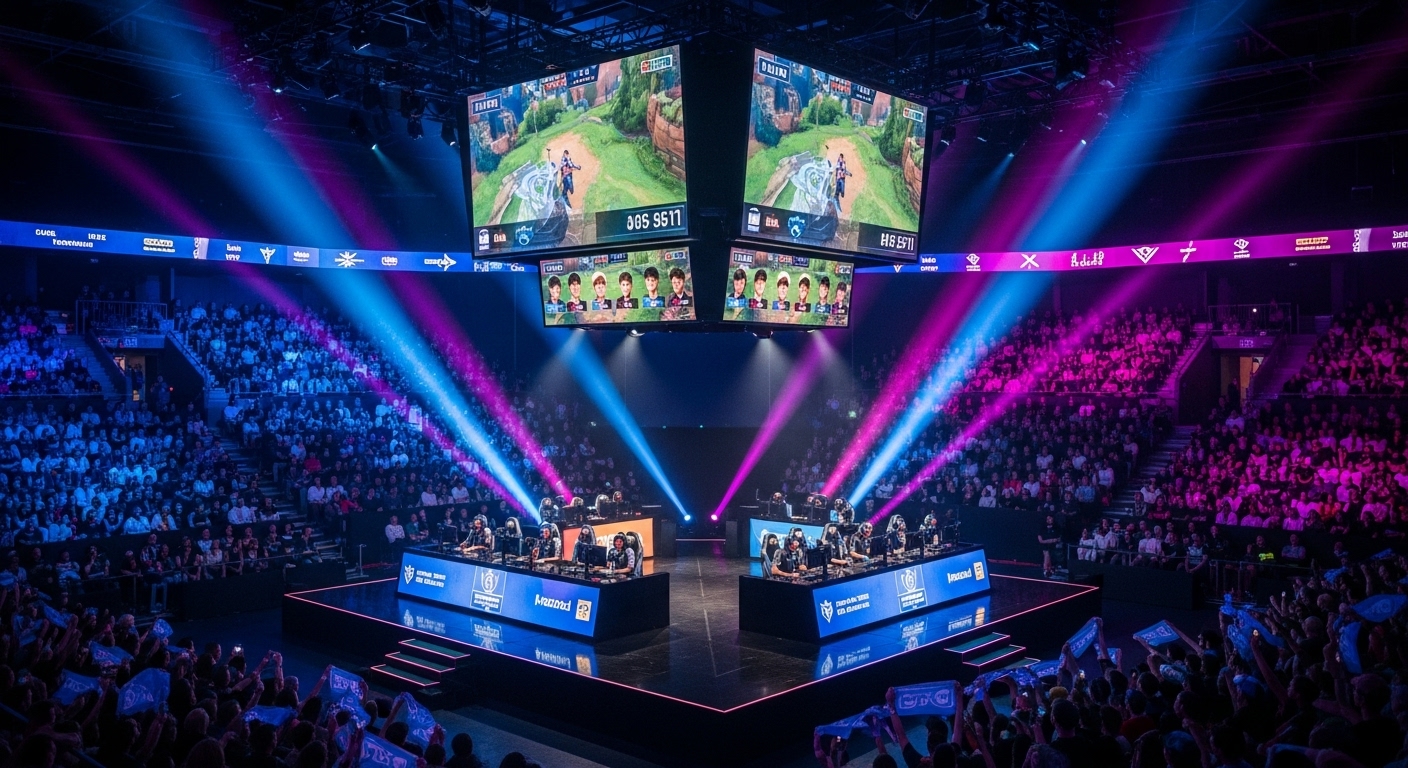
Esports, the competitive side of gaming, has created a new form of entertainment that rivals traditional sports in popularity. Professional players train for hours, develop strategies, and compete for fame and fortune. Fans gather online and in arenas to cheer for their favorite teams, creating a vibrant global culture built around passion and play.
Gaming as a Learning and Development Tool
Gaming is not only fun—it is educational. Studies show that games can enhance memory, coordination, and cognitive flexibility. Strategy and puzzle games develop logical thinking and decision-making. Simulation and role-playing games encourage creativity and empathy by placing players in diverse roles and situations.
Educators increasingly use gaming to engage students. Interactive learning through games makes difficult concepts easier to understand. History comes alive through historical simulations, while science and mathematics become more accessible through problem-solving adventures. Educational games transform learning into an exciting journey rather than a tedious task.
Moreover, gaming teaches resilience. Players learn that failure is part of success. Every lost match or failed mission becomes an opportunity to learn, adapt, and improve. These lessons extend beyond gaming into real-life challenges, helping individuals develop perseverance and critical thinking.
The Economic Impact of Gaming
The gaming industry is one of the fastest-growing economic sectors in the world. Its influence extends across technology, media, and entertainment. Developers, artists, musicians, and voice actors all contribute to creating gaming experiences that reach global audiences.
Independent studios have also flourished, thanks to digital distribution. Small teams with big ideas now compete with major companies, offering unique and creative experiences that keep the industry fresh and diverse.
Gaming also fuels the growth of related industries, including hardware manufacturing, streaming platforms, and virtual reality development. Professional esports and content creation provide new career opportunities for millions. The rise of game streaming has turned passionate players into influencers and entertainers, showcasing gaming as both a profession and an art form.
Technology and the Future of Gaming
Technology drives the evolution of gaming. Each innovation opens new doors for creativity and engagement. Modern games now feature photorealistic graphics, adaptive AI, and complex storytelling that rival major films.
Virtual reality (VR) and augmented reality (AR) have introduced immersive experiences where players can step inside the game world. VR headsets allow players to look around, move naturally, and interact physically with virtual environments, creating a sense of presence unlike any other medium.
Cloud gaming represents another leap forward. It allows users to play high-quality games without needing expensive hardware, making gaming more accessible. Artificial intelligence will continue to transform the industry by creating smarter opponents, generating dynamic storylines, and personalizing experiences to individual players.
As technology progresses, the line between reality and digital fantasy continues to blur. The future of gaming promises deeper immersion, greater realism, and endless creativity.
Challenges in the Gaming Industry
Despite its growth, gaming faces important challenges. Issues such as addiction, online harassment, and misinformation have sparked debates about responsible gaming. Spending too much time in front of screens can lead to health concerns if not managed properly.
The industry has taken steps to promote balance and safety. Many platforms now offer parental controls, time limits, and educational resources to help players maintain healthy habits. Developers also emphasize positive community values to combat toxicity and create inclusive environments.
Diversity and representation are also evolving. Modern games increasingly feature characters from various backgrounds, cultures, and genders, helping players feel seen and valued. As gaming becomes more inclusive, it reflects the diversity of the real world and fosters empathy among players.
The Creative Freedom of Gaming
One of gaming’s greatest strengths is its creative freedom. Players are not just consumers—they are creators. Many modern games offer tools that allow users to design their own worlds, characters, and stories. From building cities and crafting worlds to designing custom quests, players express their imagination in infinite ways.
This player-driven creativity has inspired an entire generation of artists and developers. Game design courses and communities encourage people to learn coding, art, and storytelling. As a result, gaming continues to nurture creativity and inspire new forms of artistic expression.
The Future of Gaming: Boundless Possibilities
The future of gaming holds limitless promise. Advances in artificial intelligence, cloud computing, and immersive technologies will create experiences that feel more real, emotional, and personal than ever before. Games will adapt to players, learning their preferences and evolving alongside them.
Virtual worlds may soon become extensions of everyday life—places where people work, learn, and socialize. Gaming will continue to merge with other industries, influencing art, education, healthcare, and business.
What will never change, however, is the essence of gaming: the joy of play. The excitement of exploration, the satisfaction of achievement, and the beauty of imagination will always define the gaming experience.
Conclusion
Gaming is more than a pastime—it is a reflection of human creativity, curiosity, and innovation. It bridges cultures, teaches valuable skills, and connects millions of people in shared joy and challenge. From its humble beginnings to its futuristic possibilities, gaming has proven that play is one of the most powerful forces in human life.
As technology evolves, so too will gaming’s ability to inspire, educate, and unite. It is not just an escape from reality but a new way to understand and interact with it. The infinite playground of gaming continues to grow, inviting everyone—young or old, casual or professional—to explore, create, and play without limits.
In every pixel, every story, and every adventure lies the universal truth that defines gaming: the endless human desire to imagine, compete, and connect through the power of play.