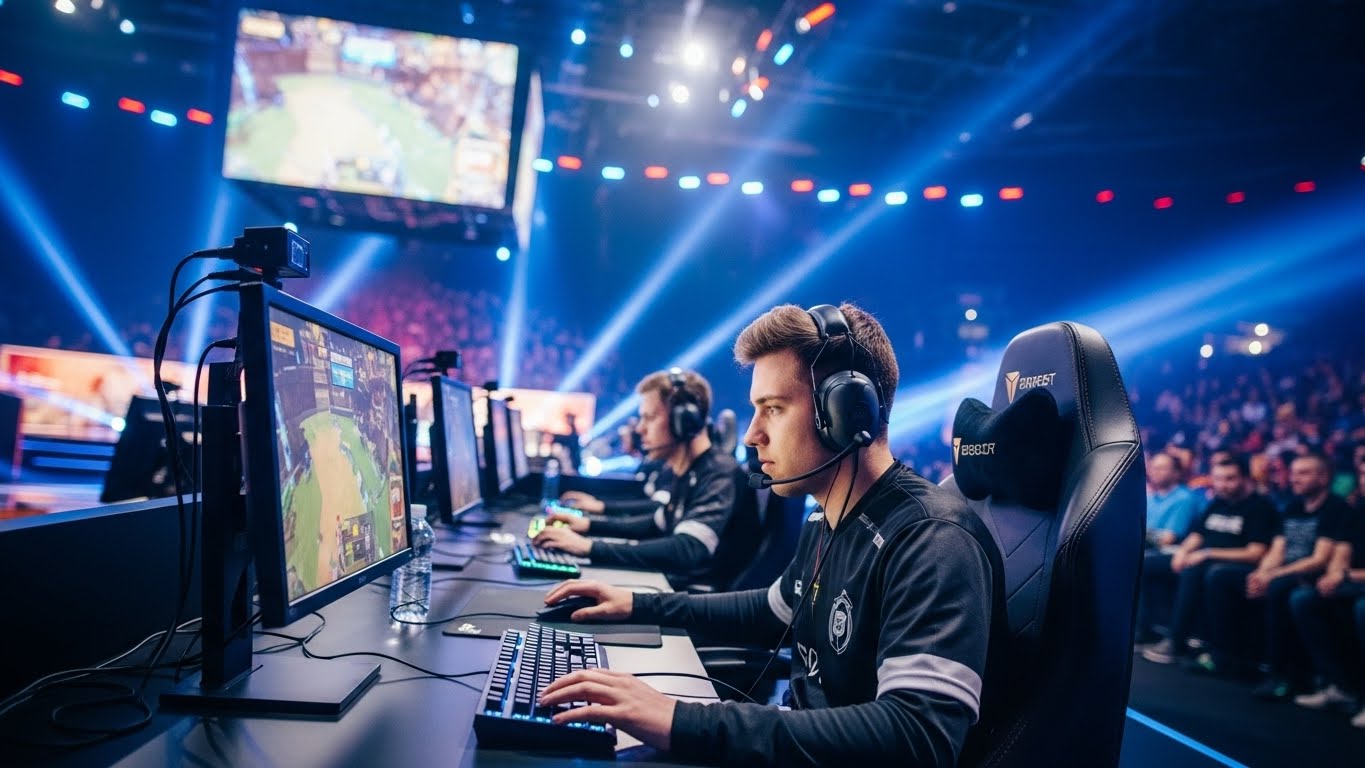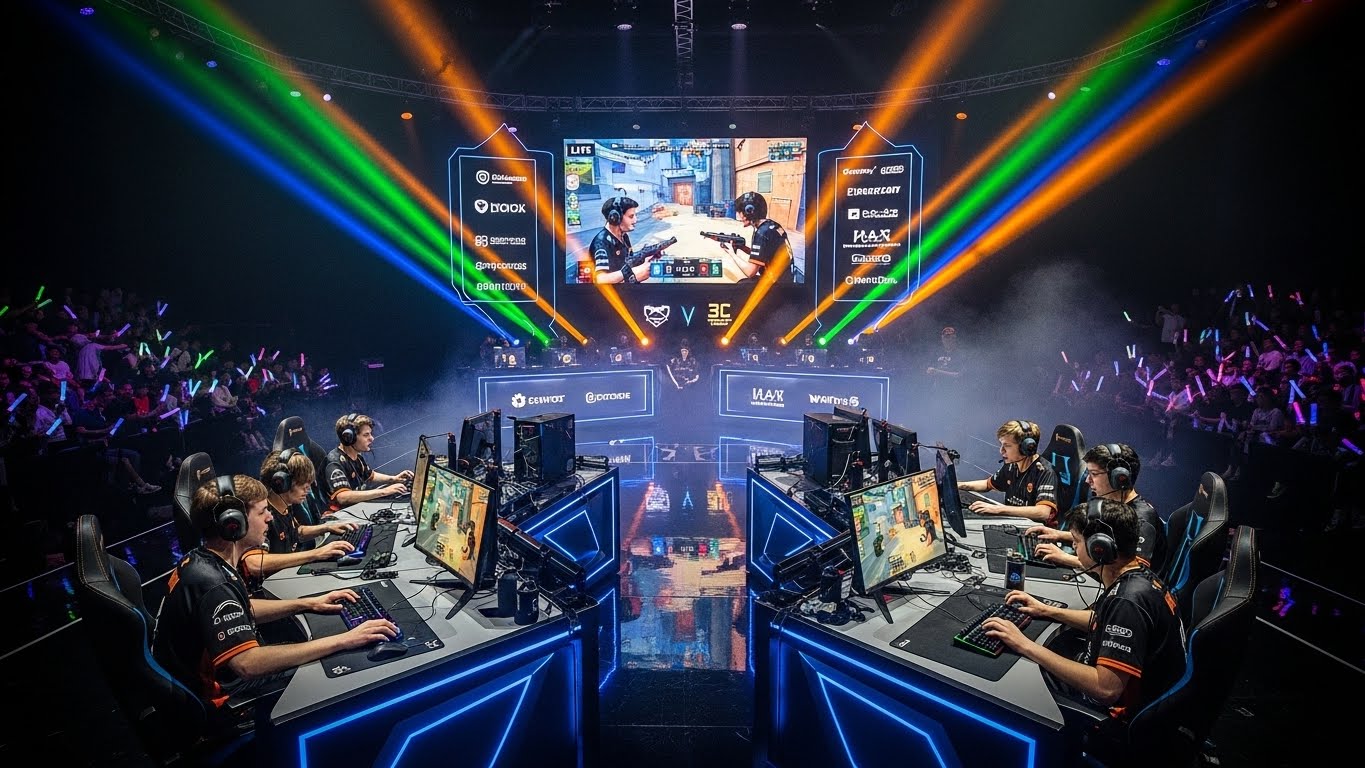
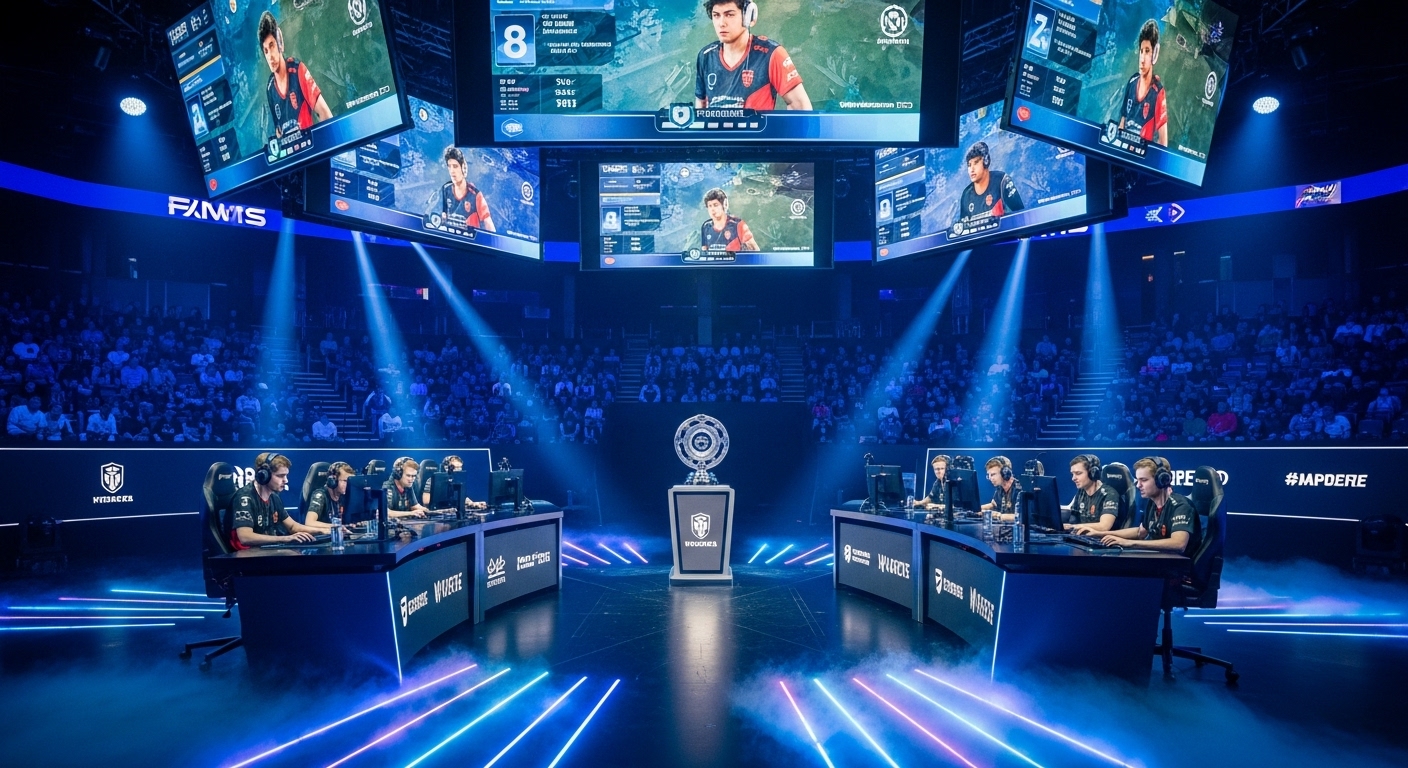
Esports, a term that once seemed niche and obscure, has rapidly become a global phenomenon, transforming the world of gaming and entertainment. What was once an underground culture, largely confined to LAN parties and small tournaments, is now a multi-billion-dollar industry with a massive global following. In this post, we’ll dive deep into the rise of esports, examining how it has evolved into the global powerhouse it is today, the factors contributing to its explosive growth, the impact on the gaming industry, and where the future of esports might be headed.
The Evolution of Esports
To understand how esports became the behemoth it is now, we need to look at its origins. Competitive gaming has existed for decades, with the first notable tournament being the 1972 Stanford University “Spacewar” competition, where students competed for a year’s subscription to Rolling Stone magazine. This event might seem primitive by today’s standards, but it laid the foundation for what would eventually become a global industry.
However, it wasn’t until the late 1990s and early 2000s that esports began to resemble what we see today. Titles like StarCraft and Quake were some of the first games to truly popularize the idea of organized, competitive gaming. South Korea was particularly instrumental in this, where StarCraft: Brood War became a national pastime. In the early 2000s, televised tournaments were broadcast, and esports leagues like the Korean Pro Gaming League (KGPL) were established, turning professional gaming into a spectator sport.
The proliferation of high-speed internet and the increasing popularity of multiplayer online games played a massive role in expanding esports globally. Games such as League of Legends, Dota 2, Counter-Strike, and Overwatch quickly became the mainstays of competitive gaming, forming the backbone of today’s esports ecosystem.
The Business Behind Esports
The commercialization of esports is perhaps the most significant factor driving its expansion. The world of esports is not just about playing games, but about creating an experience for fans, sponsors, and investors. Companies like Riot Games, Valve, and Blizzard Entertainment have spearheaded the development of competitive gaming platforms, offering prizes worth millions of dollars, creating professional leagues, and organizing global tournaments that attract millions of viewers.
One of the most significant events in the esports calendar is the League of Legends World Championship, where the best teams from around the world battle for a share of the $2 million prize pool. Similarly, The International for Dota 2 has become one of the largest esports tournaments in the world, offering a prize pool that has surpassed $40 million in recent years. These tournaments don’t just attract players, but huge audiences, often reaching over 100 million viewers, rivaling traditional sports events in terms of global viewership.
Sponsorships and Advertising
Sponsorships have played a pivotal role in the rise of esports. Traditional sports brands like Nike, Adidas, and Under Armour have started to venture into esports, alongside gaming-specific brands like Razer, Logitech, and Corsair. Sponsorships help fund the infrastructure of esports tournaments, while advertisers are keen to tap into the young, tech-savvy demographic that makes up the core of esports viewership.
Esports has also been quick to embrace digital marketing, social media platforms, and streaming services. Platforms like Twitch and YouTube Gaming have allowed players and teams to broadcast live gameplay to millions of fans, further cementing esports as an entertainment powerhouse. As the esports ecosystem continues to expand, it’s expected that sponsorship and advertising revenue will continue to increase, further boosting the industry’s value.
Professional Teams and Leagues
In much the same way as traditional sports, esports has seen the rise of professional teams and leagues. Many of the world’s top esports teams—such as Cloud9, Team Liquid, Fnatic, and G2 Esports—compete in a wide range of titles across various platforms. These teams are made up of highly skilled players who train and compete full-time, much like athletes in conventional sports. These players can earn significant salaries, receive endorsement deals, and, in some cases, even have their own personal brand.
The rise of professional leagues, such as the Overwatch League, the Call of Duty League, and the League of Legends Championship Series (LCS), has brought an added layer of organization and structure to the competitive gaming scene. These leagues have created franchises where teams compete in regular seasons, culminating in playoffs and championships.
Esports organizations are also beginning to look beyond traditional gaming titles. For instance, teams are investing in content creation, influencer marketing, and even cross-industry partnerships, with the goal of becoming lifestyle brands in their own right. Esports athletes, known for their skill and charisma, are now seen as celebrities with a massive following, which only adds to the entertainment value of the industry.
The Impact on the Gaming Industry
Esports has had a profound impact on the gaming industry, both in terms of development and player engagement. The competitive gaming scene has influenced the design of many modern titles, as developers recognize the value of creating games that are not only fun to play but also exciting to watch. Games that feature competitive multiplayer elements, such as Fortnite, Apex Legends, and Valorant, have integrated features like live streaming and spectator modes, further blurring the lines between casual gaming and professional competition.
Moreover, the success of esports has led to the creation of new genres and gaming experiences. Battle Royale games, for instance, have emerged as a dominant genre, thanks in part to the competitive appeal of titles like Fortnite and PUBG. Similarly, MOBA (Multiplayer Online Battle Arena) games like League of Legends and Dota 2 have become staples of competitive gaming, attracting a dedicated fanbase and regular esports tournaments.
Esports has also fostered the development of gaming hardware and accessories tailored specifically to competitive players. High-refresh-rate monitors, gaming mice, specialized keyboards, and noise-cancelling headsets are all part of a multi-million-dollar market catering to both casual and professional gamers. The focus on esports in game development and hardware innovation has elevated the entire gaming experience, attracting both gamers and spectators alike.
Esports and the Future of Sports Entertainment
As esports continues to grow, questions about its future become increasingly important. Will esports ever reach the level of traditional sports in terms of popularity, or will it remain a niche within the broader entertainment landscape?
One of the most promising aspects of esports is its ability to engage with a younger audience. Millennials and Generation Z have grown up in a world where digital entertainment, including video games and streaming, is a part of everyday life. For this demographic, esports feels like a natural extension of their interests and lifestyle. As a result, esports is expected to continue attracting millions of new fans, and traditional sports franchises may even look to adopt some of esports’ innovative approaches to fan engagement.
The growing acceptance of esports in mainstream culture is also worth noting. Major sports leagues, including the NBA and NFL, have already started experimenting with esports. The NBA, for example, has its own esports league called the NBA 2K League, which allows players to compete in the virtual version of the NBA basketball game. Esports has even found its way into the Olympic Games conversation, with discussions around potentially incorporating esports as a medal event.
The Role of Education and Esports in Schools
Another significant trend in esports is its growing presence in education. Many high schools and universities now offer esports programs, complete with coaching staff and team sponsorships. The potential for scholarships in esports is also on the rise, as more academic institutions recognize the value of esports as a competitive and professional career path.
In fact, some universities have already established esports degree programs, providing students with opportunities to study game design, event management, and team management, while also offering training for professional players. As the industry continues to evolve, esports is poised to become a legitimate career option for those passionate about gaming and competition.
Conclusion
Esports has come a long way from its humble beginnings, and its future seems brighter than ever. With a growing fanbase, expanding commercial opportunities, and increasing acceptance in the mainstream media, esports is quickly becoming a central part of global entertainment. It’s not just about playing games—it’s about creating an experience that connects players, fans, and sponsors in ways that traditional sports are still trying to understand.
As the esports industry continues to mature, we can expect more innovations, larger audiences, and bigger investments. The next decade in esports promises to be even more transformative than the last, and the future of competitive gaming looks incredibly exciting. Whether you’re a player, a fan, or simply a curious observer, the esports revolution is only just beginning.